
Day Cream vs Night Cream: Do You Really Need Both?
Short answer: they do different jobs, and skipping one leaves a gap in your routine. A day cream is built for the hours you’re out in the world, so it leans on lighter textures and, ideally, sun protection. A night cream can afford to be richer, since your skin isn’t fighting UV or pollution while you sleep. You can get by with a single “day/night” jar, but if your skin is dry, mature, or picky, two creams usually serve you better.
What is the actual difference between a day cream and a night cream?
It really comes down to what your skin faces at each hour. During the day, skin is exposed to sunlight, wind, and grime, so day creams tend to feel lighter and often carry SPF. At night, the priority shifts to comfort and a well-fed feeling — hence the heavier oils and butters.
Think of it like clothing. You wouldn’t wear the same jacket to a summer picnic and a cold night walk. The ingredients overlap a lot, but the texture and the emphasis change.
Absorption speed is the tell here. A day cream sinks in fast so it won’t slide around under sunscreen or makeup. A night cream can take its time and sit on the surface longer while you sleep. Neither is better. They’re just tuned for different hours of the day.
Daytime: protect and hydrate
A daytime formula wants to sit under makeup, absorb quickly, and shield you. The Black Pearl Light Day Cream SPF 25 – 50ml ($43) is a good example, blending black pearl powder, seaweed, and Dead Sea minerals while adding SPF 25. If you want lightweight moisture without a heavy finish, this is the type of cream that earns its keep before you leave the house.
Prefer something plainer for normal to dry skin? The BioSpa Anti-Aging Day Cream with Olive Oil (50 ml) ($24) uses olive oil to keep skin comfortable through the day. It’s a quiet, everyday pick rather than a statement piece.
Nighttime: richer, slower, more nourishing
Nights are for repair-feel and deep comfort. Because you’re horizontal and off the clock, night creams can be denser. The BioSpa Anti-Aging Macadamia Night Cream ($24) works overnight with macadamia oil and is aimed at mature skin that wants extra cushioning by morning.
Do you really need both, or can one cream do it all?
You can absolutely get by on one cream if your skin is easygoing and your budget is tight. A shared jar like the La Pearl – Day/Night Cream ($25) is made for exactly this, with a velvety texture you massage in morning and night. It simplifies your shelf. And honestly, one cream used consistently beats two creams you keep forgetting to reach for.
But there’s a trade-off. A do-it-all cream can’t be lightweight for daytime and ultra-rich for night at the same time — it has to compromise somewhere. If your skin barely changes with the seasons, that compromise is fine. If it doesn’t, splitting into two creams lets each one specialize.
You can also flex one cream across both slots as your skin shifts. A shared jar might feel perfect at night in winter but a touch heavy on a humid morning, so use less in the daytime and more before bed. Listen to how your skin feels rather than following a fixed rule.
Who tends to benefit from two creams?
- People with dry or dehydrated skin who need more at night than during the day.
- Mature skin that wants richer overnight comfort.
- Anyone who wears SPF by day but wants a plush, sunscreen-free feel at night.
- Folks whose skin shifts a lot between summer and winter.
Day cream vs night cream: quick comparison
Here’s the difference at a glance, without the marketing fog. Both hydrate. The split is about texture, timing, and whether sun protection is part of the deal.
| Feature | Day cream | Night cream |
|---|---|---|
| Texture | Lighter, absorbs fast | Richer, slower to sink in |
| Main goal | Protect and hydrate | Nourish and comfort overnight |
| SPF | Often included | Not needed |
| Under makeup | Yes | No |
| Best time | Morning | Before bed |
Browse the full lineups by time of day in the day cream and night cream collections if you want to compare textures and price points side by side.
How should you pick a night cream for your skin type?
Match the richness to your dryness. Very dry skin wants oils that stay put overnight, so the BioSpa Nourishing Night Cream with Sea Buckthorn & Carrot (50 ml) ($24) is built for that, aiming to hold moisture through the night for dry skin types.
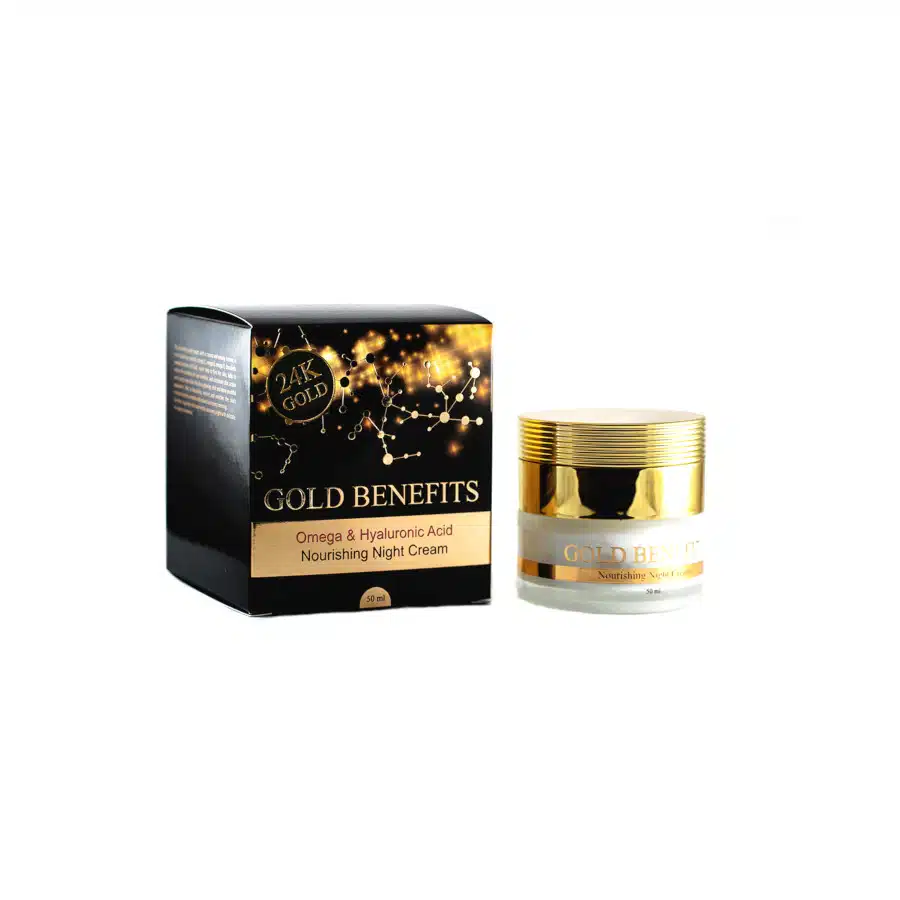
Want something that feels a little more indulgent? The Gold Benefits Nourishing Night Cream ($24) folds Dead Sea minerals, Omegas, and gold into a velvety cream you massage in nightly. It’s a small luxury without a luxury price.
One honest caveat: no cream, day or night, erases wrinkles. Dead Sea minerals are cosmetic ingredients. They help skin feel softer and look fresher, not rewind the clock.
How do you use both without wasting product?
The order matters more than the amount. Cleanse, apply any serum, then your cream. In the morning, finish with the day cream (and let SPF be your outer layer). At night, cleanse again and switch to the richer one. Layering it right stops pilling and helps each step actually absorb, which we cover in our guide to layering serums and moisturizers.
A few practical habits:
- Use a pea-sized amount. More cream doesn’t mean more benefit, just more residue.
- Warm the cream between fingers first so it spreads evenly.
- Don’t skip your neck. It shows age fast and gets forgotten.
- Give day cream a minute to set before makeup.
Prefer a lighter overnight feel with a gel-to-cream texture? The Alternative – Nourishing Night Cream – 50 ml ($30) is designed for clean skin and pairs nicely after a serum, so it slots into a two-step evening routine without feeling greasy.
So, what’s the verdict?
If your skin is calm and your mornings are rushed, one good day/night cream is plenty. If you’re chasing comfort for dry or mature skin, or you want daytime SPF plus a plush night feel, two creams earn their keep. Start with your biggest need, protection by day or repair-feel by night, and build outward from there. There’s no prize for owning the most jars. Only for actually using what you have, consistently.
Related products



Frequently asked questions
Can I use my night cream during the day?
You can, but it isn't ideal. Night creams are richer and slower to absorb, so they can feel heavy under makeup and leave a shine. They also usually skip SPF, which daytime skin wants. If you only own one cream, apply it thinly in the morning and add a separate sunscreen on top for daytime protection.
Do I really need two separate creams?
Not always. If your skin is easygoing and stays balanced year-round, a single day/night cream like La Pearl handles both shifts. Two creams help most for dry, dehydrated, or mature skin that needs lighter daytime moisture and richer overnight comfort. Start with your biggest concern, then decide if a second cream is worth it.
Should a day cream have SPF?
Ideally yes. Daytime skin faces sunlight, so built-in SPF adds a layer of protection you'd otherwise apply separately. The Black Pearl Light Day Cream offers SPF 25, for example. If your day cream has no SPF, layer a dedicated sunscreen as your final step before makeup to keep coverage consistent.
Will a night cream get rid of my wrinkles?
No cream erases wrinkles, and any product promising that is overselling. Night creams aim to nourish and leave skin feeling comfortable and looking fresher by morning. Dead Sea minerals, gold, and plant oils are cosmetic ingredients that soften and hydrate. They can improve how skin looks and feels, but they don't reverse aging.
What order do I apply day and night creams in?
Cleanse first, then apply any serum, then your cream. In the morning, finish with day cream and let sunscreen sit on top as the outer layer. At night, cleanse again and switch to the richer night cream after your serum. Use a pea-sized amount, warm it between your fingers, and don't forget your neck.