
Dead Sea Salt vs Dead Sea Mud: Which Is Right for You?
Short answer: reach for Dead Sea salt when you want to exfoliate and polish, and reach for Dead Sea mud when you want to draw out oil, grime, and puffiness. Both come from the same mineral-rich water, yet they work on skin in almost opposite ways. Once you know which job each one does, picking between them, or using both, gets a lot easier.
What Makes Dead Sea Salt Different From Dead Sea Mud?
Salt is a physical exfoliant. Its crystals are coarse enough to slough off dead skin when mixed into oil or a scrub base, while the trapped minerals — mostly magnesium, potassium, and calcium — seep into the freshly buffed skin underneath. Mud, by contrast, is a fine sediment that behaves more like a sponge. It sits on the surface, absorbs excess oil and impurities, and rinses away instead of scrubbing.
How Dead Sea Salt Works
Salt scrubs need friction. You massage them in with circular motions, and the abrasive texture physically lifts away flaky, dull skin cells. The Aromatic Peeling Oil with Dead Sea Salt ($10) pairs salt crystals with pure oils, so it exfoliates without leaving skin feeling stripped, a common complaint with plain salt scrubs.
How Dead Sea Mud Works
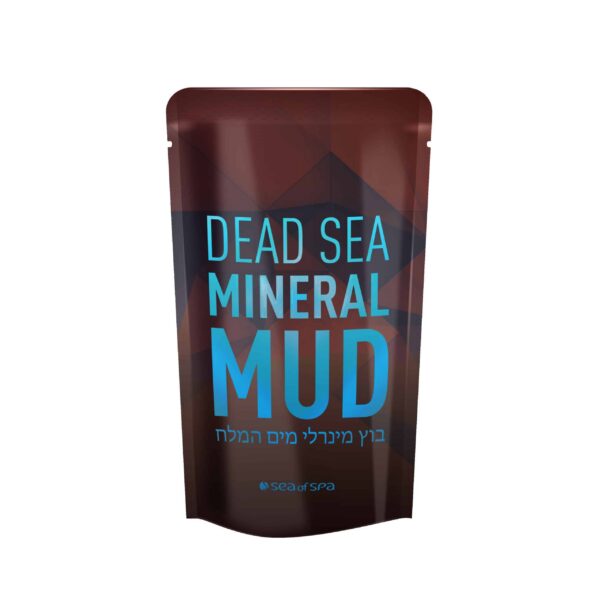
Mud has no grit at all. You spread on a thin layer, let it dry or semi-dry, then peel or rinse it off once it’s finished pulling impurities from the pores. The Sea of Spa – Dead Sea Mineral Mud (600 ml, $10) is a straightforward version you can also warm slightly before applying, which some people find more comfortable in cooler months.
Which One Suits Your Skin Type?
Dry or sensitive skin generally tolerates mud better than salt, since scrubbing can aggravate skin that’s already compromised. Oily or congested skin, especially on the back or feet, often benefits more from salt’s exfoliating action. Neither one cures a skin condition. Think of them as maintenance tools, not treatments.
- Dry, flaky skin: start with mud, then follow with a rich cream rather than adding a scrub on top.
- Oily or rough patches (elbows, feet, back): a salt-based scrub clears buildup faster.
- Color-treated or damaged hair: neither salt nor body mud belongs here, but hair-specific mud formulas do exist for this.
- Sensitive facial skin: skip body-strength salt scrubs entirely and use a gentler facial formula instead.
Combination skin, oily through the T-zone but dry on the cheeks, doesn’t have to pick a single side. Use a light salt scrub only on the oilier patches, and save the mud, or skip it entirely, where your skin already runs dry. Treating your whole face or body as one uniform skin type is where most people go wrong with either product.
If your skin reacts to almost everything, patch-test on your inner arm first. That’s just common sense with any new mineral product, not a special warning about Dead Sea ingredients.
Can You Use Both Together?
Yes, and quite a few spa routines are built around exactly that combination. Exfoliate with salt first to remove the outer layer of dead skin, then follow with mud so the minerals reach fresher skin underneath instead of sitting on top of flakes. Do it the other way around and you waste the mud’s absorbing power on skin that’s about to be scrubbed off anyway.
A weekly rhythm works for most people: salt scrub once, mud mask a few days later, and a plain moisturizing wash in between. The Bio Spa Nourishing Body Wash (780 ml, $11) is a reasonable everyday step between the two, since it carries Dead Sea minerals and plant extracts without any exfoliating grit.
Beyond the Body: Where Mud Shows Up in Hair Care
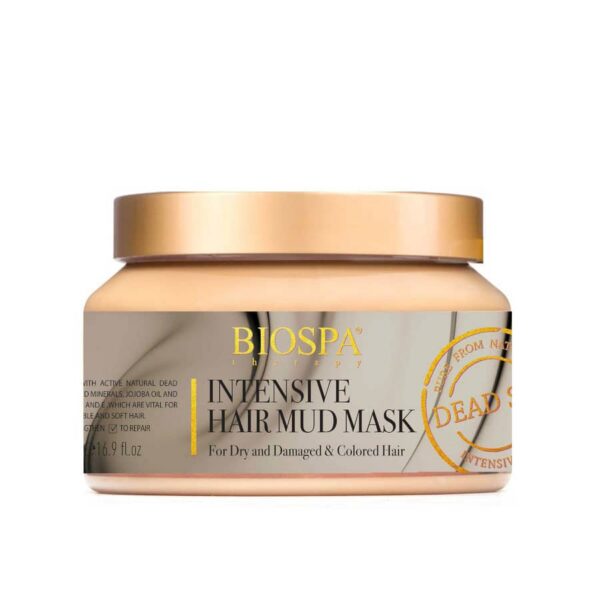
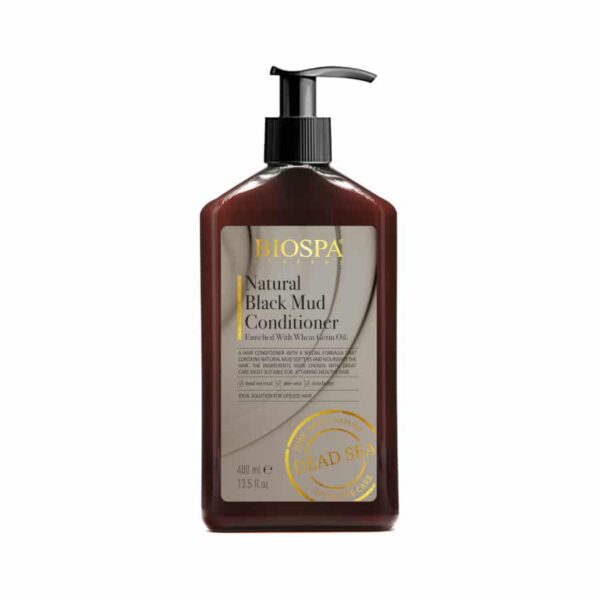
Dead Sea mud isn’t just a body-mask ingredient. It turns up in hair formulas too, usually aimed at dry or chemically treated strands. The BioSpa Mud Mask for Dry, Damaged, and Color-Treated Hair (500 ml, $13) uses jojoba alongside the mud base to soften strands that have been through a lot of coloring or heat styling. Its companion, the BioSpa Black Mud Conditioner for Dry, Damaged & Colored Hair (400 ml, $10), adds wheat germ and is meant to be used right after shampooing rather than as a separate treatment step.
These hair products aren’t interchangeable with body mud, either. Body mud is formulated to sit on skin and dry down; hair mud is designed to rinse cleanly without weighing strands down. Don’t swap one for the other just because both happen to say “mud” on the label.
Best Dead Sea Salt and Mud Products to Try
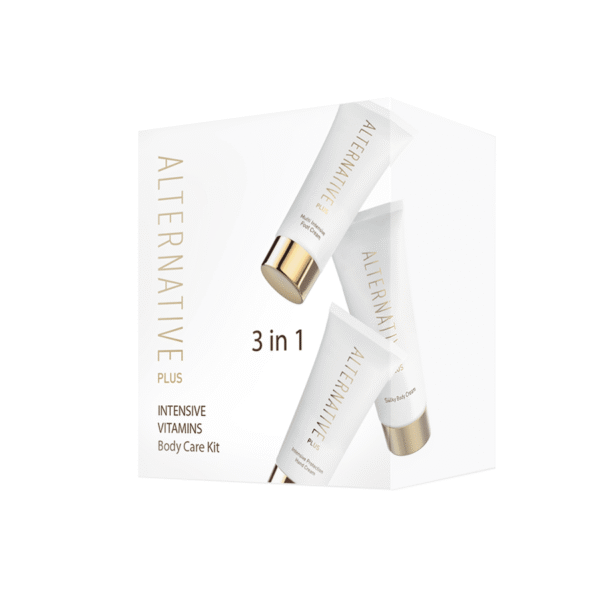
For a first-timer who isn’t sure which camp they’ll prefer, a bundle beats buying two full-size products separately. The Alternative Body Care Gift Set (500ml total, $48) covers a hand cream with U.V.A filters, a foot cream, and a body cream, giving you a broader mineral-skincare routine to build around before you commit to a dedicated salt or mud product.
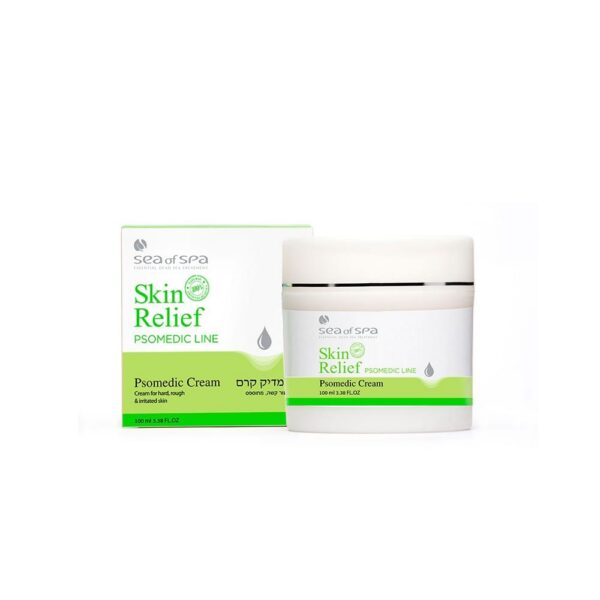
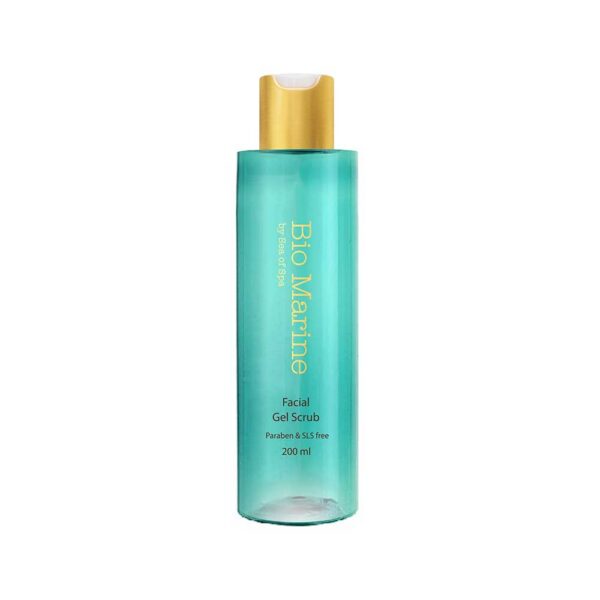
If rough patches on hands or feet are the actual complaint, the Psomedic Skin Relief Cream (100 ml, $11) leans on propolis, honey, and Dead Sea minerals for hardened, irritated skin, more of a daily-use cream than a one-time scrub or mask. For faces specifically, the Bio Marine Facial Scrub Gel (200 ml, $10) is a gentler, paraben-free option meant for wet skin and gentle circular motion, which is a much softer touch than a body-strength salt scrub.
A Quick Side-by-Side Comparison
| Factor | Dead Sea Salt | Dead Sea Mud |
|---|---|---|
| Texture | Coarse, gritty crystals | Smooth, fine sediment |
| Main action | Physical exfoliation | Absorbs oil and impurities |
| Best for | Rough, oily areas (feet, elbows, back) | Dry or sensitive skin, general detox feel |
| Rinse-off style | Rub in, rinse immediately | Apply, wait, then rinse or peel |
Neither salt nor mud is going to reverse aging or treat a medical skin condition — honestly, no cosmetic product does. What they offer is a genuinely pleasant, mineral-based way to exfoliate or draw out grime as part of a regular routine. Pick based on what your skin actually needs this week: dryness calls for mud, dullness or roughness calls for salt. No reason not to keep both on hand and alternate.
Related products
-
-
-
-
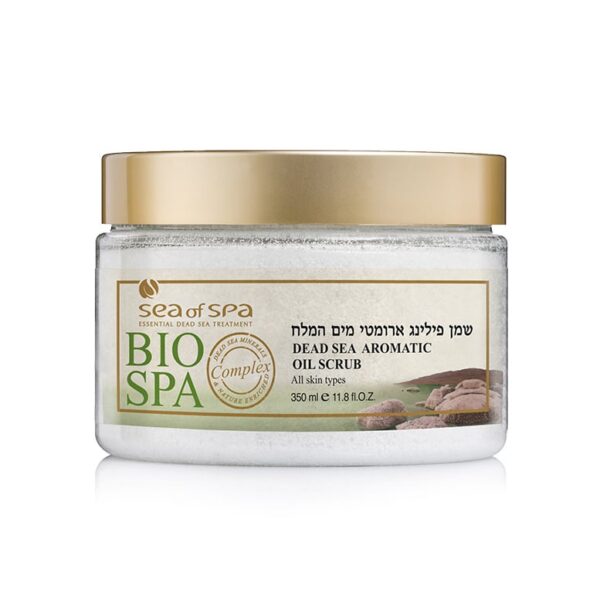 Bio Spa Aromatic Peeling Oil with Dead Sea Salt $10Select options This product has multiple variants. The options may be chosen on the product page
 -
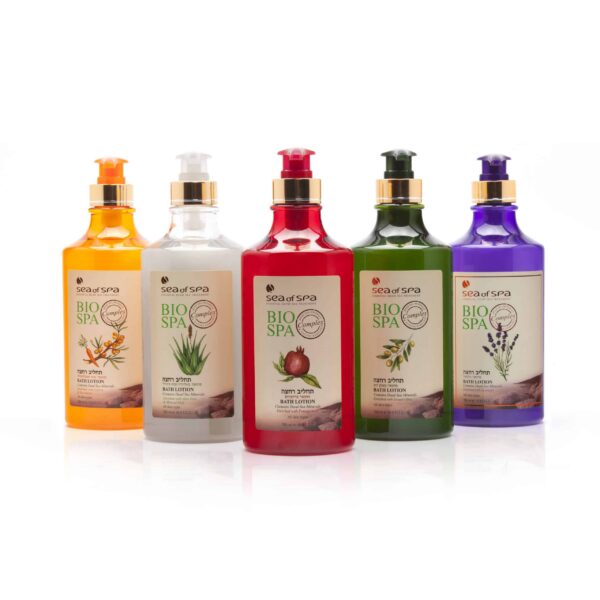 Bio Spa Bio Spa Nourishing Body Wash $11Select options This product has multiple variants. The options may be chosen on the product page
 -
-
-


Frequently asked questions
Which is better for exfoliation, Dead Sea salt or mud?
Salt is the exfoliator. Its coarse crystals physically buff away dead skin when massaged in, which is why scrubs like the Aromatic Peeling Oil with Dead Sea Salt pair salt with oils. Mud doesn't scrub; it absorbs oil and sediment from the surface instead, so it won't remove flaky or rough patches on its own.
Can I use Dead Sea mud on my face?
Body-strength mud, like the Sea of Spa Dead Sea Mineral Mud, is formulated for the body and can feel too intense on facial skin. For your face, a gentler product such as the Bio Marine Facial Scrub Gel is designed specifically for wet facial skin and a softer touch.
How often should I use a Dead Sea salt scrub?
Once or twice a week is a common starting point for most skin types. Scrubbing more often can leave skin feeling stripped rather than refreshed. Follow with a moisturizing wash, like the Bio Spa Nourishing Body Wash, on the days in between rather than scrubbing daily.
Is Dead Sea mud good for oily skin?
Mud's main job is absorbing excess oil and impurities, which does suit oilier skin, but it also works on dry and sensitive skin since it doesn't involve any scrubbing. It's a genuinely versatile format, more about drawing things out than targeting one specific skin type.
Can Dead Sea salt and mud be used in the same routine?
Yes, and many people alternate them through the week. A common order is salt scrub first to remove dead skin, then a mud mask a few days later so minerals reach fresher skin. Using mud right after a scrub, rather than before, tends to work better in practice.