
A Care Routine for Dry, Tight Winter Skin
Cold air holds less moisture than warm air, and indoor heating strips out what little humidity is left. That combination is exactly why skin feels tighter, flakier, and duller from November through March. The fix isn’t one miracle product — it’s a routine: gentler cleansing, richer creams, and a bit more attention to the spots that crack first, like heels and knuckles.
Why Does Winter Air Dry Out Skin So Fast?
Cold, low-humidity air pulls moisture straight out of the skin’s outer layer. Hot showers plus indoor heating make it worse still, breaking down the lipid barrier that normally holds water in. That’s the “tight” feeling right after you wash your face or hands. Once that barrier is compromised, ordinary lotions often aren’t rich enough to patch it back up.
This is why winter calls for a genuine shift in products, not just more of the same summer moisturizer. Richer textures, oil-based formulas, fewer harsh cleansers — all of it helps skin hold onto water instead of losing it to the air.
What Should a Morning Routine Look Like?
A winter morning routine works best with a mild cleanse, a hydrating layer, and a heavier cream to lock everything in before you head out into the cold. Skip steps, or rush through with a single thin lotion, and skin tends to feel tight by midday.
Cleanse Without Stripping
Lukewarm water, not hot, is the first move. Hot water feels great in January, sure, but it dissolves the natural oils your skin needs. Pat, don’t rub, when you dry off, and apply your day cream while skin is still a little damp, so it seals in that surface moisture instead of fighting to hold onto it later.
Layer On Something Rich
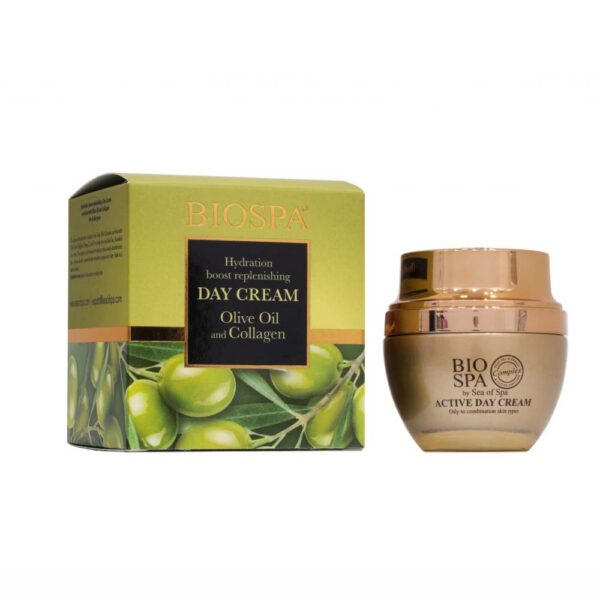
The BioSpa Anti-Aging Day Cream with Olive Oil (50 ml) ($24) is built for exactly this: it’s designed to support normal to dry skin with a moisture-focused, olive oil formula that suits a cold-weather morning routine well. It’s a reasonable pick for anyone whose regular day cream just isn’t cutting it once temperatures drop.
Why Does Night Cream Matter More in Winter?
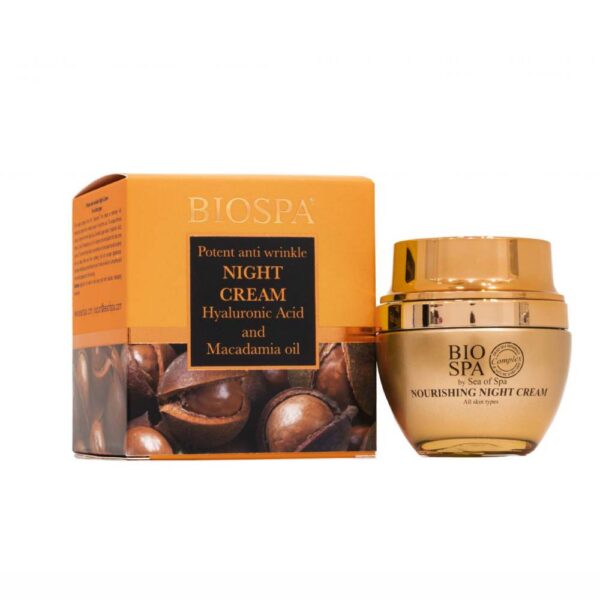
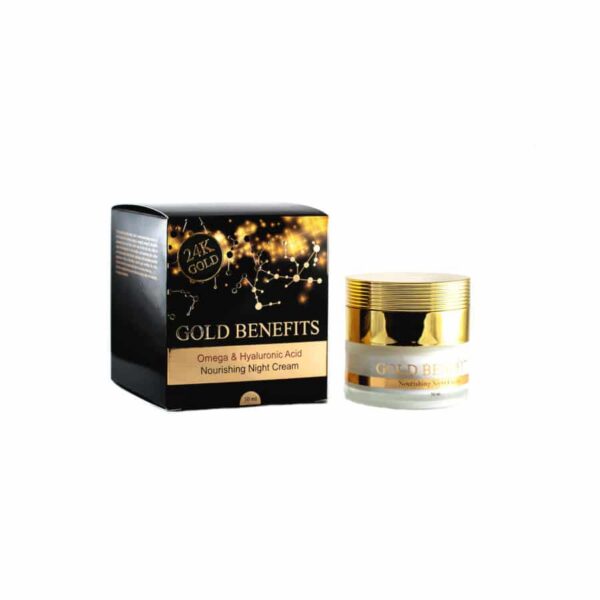
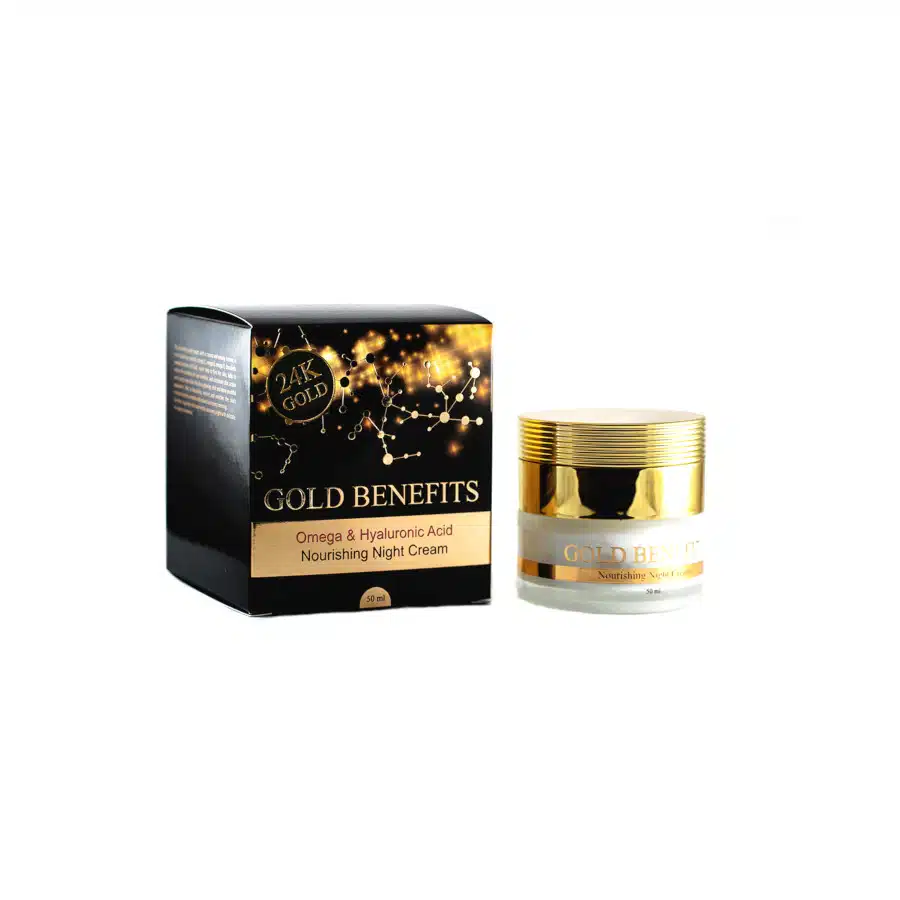
Overnight is when skin does most of its recovery work, and a heavier night cream simply gives it more to work with than a light day formula would. Two options worth knowing: the BioSpa Anti-Aging Macadamia Night Cream ($24), formulated with macadamia oil to support mature skin overnight, and the Gold Benefits Nourishing Night Cream ($24), a velvety blend of Dead Sea minerals, Omegas, and gold meant to be massaged in nightly.
Worth being clear about the gold here — it’s a luxe, soothing cosmetic ingredient in this formula, not a proven anti-aging agent on its own. Think of it as part of a rich, comforting texture, not a clinical treatment. The same goes for any “anti-aging” cream in general: it can soften the look of fine lines and add hydration, but it won’t rebuild collagen or erase wrinkles. That’s just not how topical skincare works.
How Do You Fix Rough Elbows, Hands, and Feet?
Feet and elbows crack first in winter. They have fewer oil glands, and they take the most friction from socks, shoes, and daily wear. A dedicated foot cream, used nightly under socks, does more here than a body lotion ever could.
The Bio Spa Anti-Crack Foot Cream – 180 ml ($14) combines Dead Sea minerals with tea tree oil and is designed to soothe and help moisturize even very dry or cracked skin. Apply it before bed, pull on a pair of cotton socks, and let it work overnight. Do this a few times a week and rough heels tend to soften noticeably by the second week.
Anyone who’s skipped foot cream for a whole winter knows the pattern: fine in November, cracked by January. A five-minute nightly habit is genuinely easier than dealing with the fallout later.
What Belongs in a Weekly Winter Routine?
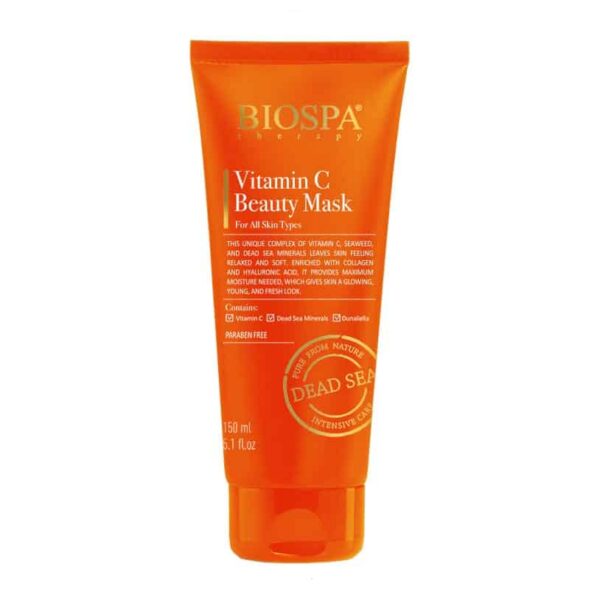
Daily creams handle upkeep, but a weekly mask or extra treatment gives dry, dull winter skin a real boost. The Biospa Enriched Beauty Mask with Vitamin C ($10) is a 150 ml mask with Dead Sea minerals designed to help provide moisture and leave skin feeling softer and calmer. Fifteen minutes once or twice a week is enough.
- Cleanse with lukewarm water, never hot, especially on the face.
- Apply serum or cream to slightly damp skin so it seals moisture in rather than evaporating off dry skin.
- Use a heavier night cream than you’d reach for in summer.
- Treat feet and elbows separately; they need their own dedicated product.
- Add a hydrating mask once or twice a week for extra support.
Does Body Wash Choice Actually Matter in Winter?
Yes, and it’s an easy fix most people overlook. A foaming, sulfate-heavy body wash strips oils daily, undoing whatever your moisturizer just did. The Bio Spa Nourishing Body Wash ($11), a 780 ml formula with Dead Sea minerals and plant extracts, is built to cleanse while promoting a feeling of balance rather than tightness afterward.
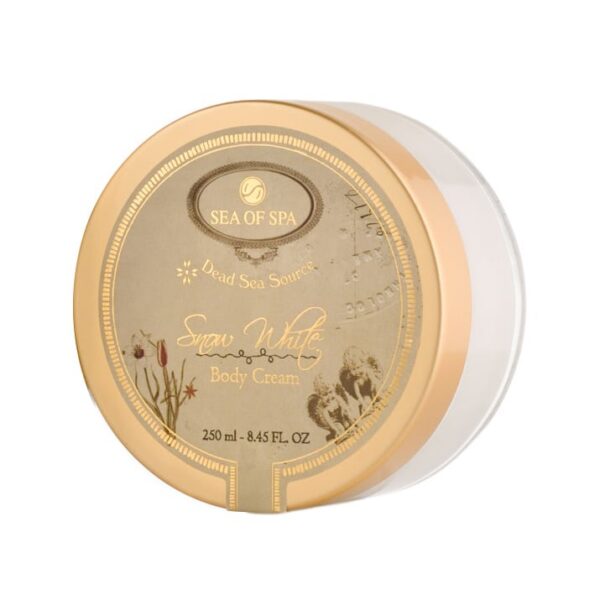
Pair that with a full-body moisturizer right after toweling off. The Sea of Spa Snow White Body Cream – 250 ml ($29) is a fast-absorbing formula suitable for all skin types, designed to moisturize without leaving a heavy residue under clothes. Applied within a couple of minutes of stepping out of the shower, while skin is still slightly damp, it locks in far more moisture than the same cream applied to fully dry skin.
A Simple Winter Routine at a Glance
| Time | Step | Product Example |
|---|---|---|
| Morning | Mild cleanse + day cream | BioSpa Day Cream with Olive Oil ($24) |
| Night | Rich night cream | Macadamia or Gold Benefits Night Cream ($24) |
| Nightly (feet) | Foot cream under socks | Bio Spa Anti-Crack Foot Cream ($14) |
| Weekly | Hydrating mask | Beauty Mask with Vitamin C ($10) |
| Daily (shower) | Gentle body wash + body cream | Nourishing Body Wash ($11) / Snow White Body Cream ($29) |
Is It Worth Changing Anything Else About Your Routine?
Small habits outside of products matter too. Most people focus entirely on what they apply and ignore how they apply it, but timing and water temperature affect the result just as much as the cream itself does. A great night cream applied to fully dry skin, five minutes after washing, does noticeably less than that same cream applied within sixty seconds of a lukewarm rinse.
A humidifier in the bedroom helps too, since it puts moisture back into the air your skin is losing it to all night. It’s not glamorous advice, but it’s the kind of thing that quietly makes every other step in this routine work better.
Winter skin doesn’t need a complicated ten-step routine. It needs consistency: gentler washing, richer creams applied to damp skin, and specific care for the spots, feet, elbows, hands, that take the worst of the season. Start with a night cream and a foot cream, add the mask once the basics feel settled, and adjust from there based on how your skin actually feels week to week.
Related products
-
-
-
-
-

-
 Bio Spa Bio Spa Nourishing Body Wash $11Select options This product has multiple variants. The options may be chosen on the product page
 -



Frequently asked questions
Why does my skin feel so much tighter in winter than in summer?
Cold air holds less moisture, and indoor heating dries it out further, pulling water straight out of your skin's outer layer. Hot showers add to the problem by breaking down natural oils. Switching to lukewarm water and a richer cream, like the BioSpa Anti-Aging Day Cream with Olive Oil ($24), usually brings noticeable relief within a week or two.
Should I use a different moisturizer in winter than I do in summer?
Yes, thinner summer lotions often aren't rich enough once the air turns cold and dry. A heavier night cream, such as the BioSpa Anti-Aging Macadamia Night Cream ($24) or Gold Benefits Nourishing Night Cream ($24), gives skin more to work with overnight and helps offset what the season strips away.
What's the best way to treat cracked heels and dry feet in winter?
Apply a dedicated foot cream at night and cover with socks so it works while you sleep. The Bio Spa Anti-Crack Foot Cream - 180 ml ($14) combines Dead Sea minerals and tea tree oil and is designed to soothe even very dry or cracked skin. A few nights a week is usually enough to notice softer heels.
Does my body wash actually affect how dry my skin gets?
It can. A stripping, foamy body wash undoes what your moisturizer just did the day before. The Bio Spa Nourishing Body Wash ($11) is formulated with Dead Sea minerals and plant extracts and is built to cleanse without leaving skin feeling tight afterward, which matters most in winter months.
How often should I use a hydrating mask in winter?
Once or twice a week is a reasonable starting point for most people. The Biospa Enriched Beauty Mask with Vitamin C ($10) is designed to help provide moisture and leave skin feeling softer, and it pairs well with a daily cream routine rather than replacing it.