
How to Layer Serums and Moisturizers (Order Matters)
Layer thinnest to thickest, and always give a serum time to sink in before sealing it with a moisturizer. Reverse that order and even a great serum barely reaches the skin. It’s a five-minute habit, not a project, and after about a week it stops feeling like an extra step and starts feeling like just washing your face.
Why Does Layering Order Matter?
Short answer: thinner, water-based formulas need direct contact with skin first, or a heavier cream shuts them out. Serums are concentrated and meant to absorb fast; moisturizers are built to sit on top and lock everything in. Flip that order and the serum mostly slides off the cream instead of soaking through.
Think of painting a wall. You wouldn’t roll on a thick topcoat and then try brushing a thin primer over it afterward — it just won’t take. Skin works the same way, only slower and much more forgiving of mistakes.
What’s the Correct Order for a Morning Routine?
Cleanse, then serum on damp skin, then moisturizer, then sunscreen if you’re headed out. That’s the entire sequence. Damp skin matters more than people realize, especially with a hyaluronic acid formula.
Cleanser to Serum
Pat your face mostly dry, leave a touch of dampness, and apply the serum right away. Hyaluronic acid is a humectant — it pulls moisture toward itself, and when there’s no moisture nearby (dry air, fully dry skin) it can end up pulling water out of the deeper layers instead, leaving you tighter rather than softer. Damp skin gives it something to actually draw from.
La Pearl Serum ($25) is built for exactly this step, used twice daily on clean skin before your moisturizer. It’s a straightforward pick for anyone starting their first proper serum routine.
Serum to Moisturizer
Wait roughly a minute, then follow with a moisturizer to trap the serum’s moisture and keep it from evaporating back out. This is the “seal” step people tend to skip, and skipping it is exactly why some hyaluronic acid users complain the ingredient dried their skin out. It didn’t — it just had nothing left to hold onto.
For the daytime, BioSpa Anti-Aging Day Cream with Olive Oil ($24) is a sensible next layer for normal to dry skin, formulated to add moisture on top of whichever serum you’ve used.
How Does the Order Change at Night?
At night you can go a bit richer with your layers, since there’s no sunscreen or makeup to add on top and skin has hours to just sit with the product. The same rule still applies: serum first on damp skin, cream second, nothing more complicated than that.
La Pearl – Day/Night Cream ($25) works in either slot, though its velvety, richer texture especially suits evening use. Massage it in with gentle motions until it’s fully absorbed — don’t rush it. If your skin runs drier or you want something built specifically for overnight recovery, BioSpa Anti-Aging Macadamia Night Cream ($24) is formulated with macadamia oil for mature skin and does its work while you sleep.
A lot of “my night cream isn’t doing anything” complaints trace back to applying it while skin is still damp from a serum that hasn’t fully absorbed yet. Give the serum its full minute first. It changes both how the cream feels going on and how your skin looks by morning.
How Do You Layer More Than One Serum?
Apply the thinnest, most watery serum first, then the richer, oil-based one, and move to your moisturizer last. With two active serums, that order keeps the lighter one from getting trapped under a heavier layer before it’s absorbed.
Alternative – Active Facial Serum ($30) is a richer formula with Dead Sea minerals and vitamins, aimed at softening the visible look of aging skin. If you’re pairing it with something lighter like La Pearl Serum, apply La Pearl first, wait, then follow with the Alternative serum before your moisturizer.
In my experience, layering more than two serums usually backfires — not because the products clash chemically, but because nobody actually waits long enough between each one. Two serums, properly spaced out, beat four rushed ones every time.
What Should You Know About Collagen-Based Products?
Topical collagen sits on the surface and can make skin feel smoother and look plumper in the short term, but it doesn’t rebuild the collagen structure underneath. It’s a texture-and-appearance ingredient, not a repair mechanism, and knowing that going in keeps a product from feeling like it “failed” when it was never meant to work at that depth anyway.
Alternative – Nourishing Night Cream ($30) is designed for clean skin and works overnight; the brand suggests pairing it with the matching Alternative serum for a more complete routine. That serum-then-cream pairing follows the same layering logic as the rest of this guide, just sold as a set.
Common Layering Mistakes to Avoid
- Applying moisturizer before serum, which keeps the serum from ever reaching the skin.
- Applying a hyaluronic acid serum to bone-dry skin instead of damp skin.
- Skipping the wait between layers, so products just mix on the surface instead of absorbing.
- Piling on three or four serums when one or two, applied properly, would do more good.
- Skipping moisturizer altogether because “the serum already felt hydrating enough.”
Quick Reference: A Simple AM/PM Order
| Step | Morning | Evening |
|---|---|---|
| 1 | Cleanse | Cleanse |
| 2 | Serum (on damp skin) | Serum (on damp skin) |
| 3 | Moisturizer | Richer night cream |
| 4 | Sunscreen | (none needed) |
Body skin follows a looser version of the same rule — a lighter lotion goes on before a heavier balm. If your hands or feet need extra care after a day outdoors, a rich body cream still works best on slightly damp skin, same principle, just a different area.
Does This Apply to Gold-Infused Creams Too?
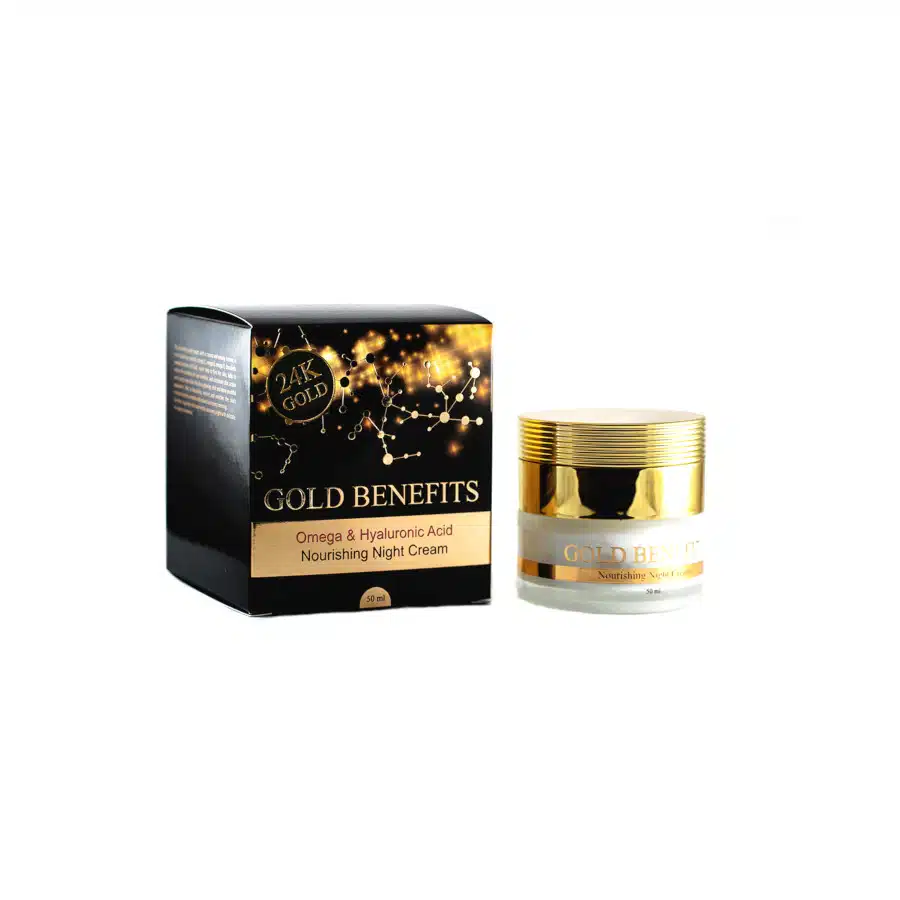
Yes — the layering order doesn’t change just because a formula contains 24K gold. Gold in skincare is a cosmetic, soothing ingredient valued for texture and feel, not a clinically proven anti-aging treatment, so treat it like any other rich moisturizer: apply it after your serum, never before.
Gold Benefits Nourishing Night Cream ($24) blends Dead Sea minerals, omegas, and gold into a velvety night formula. Apply it nightly with gentle massaging motions once your serum has had its minute to absorb, and it fits neatly into the routine outlined above.
Getting layering right isn’t complicated once the order clicks: thin to thick, damp skin for humectants, and a genuine pause between steps. It’s a small habit, but it changes how much of what you’re paying for actually reaches your skin.
Related products




Frequently asked questions
Should I apply serum or moisturizer first?
Serum always goes first. Serums are thin, concentrated formulas meant to absorb quickly, while moisturizers sit on top to seal moisture in. Apply moisturizer before serum and it acts as a barrier, blocking the serum from reaching skin at all.
Why does my hyaluronic acid serum feel drying?
Hyaluronic acid is a humectant, it draws moisture toward itself. On completely dry skin, or in low-humidity air, it can pull moisture from deeper layers instead of the surface. Apply it to damp skin and follow with a moisturizer to seal it in and avoid that dry feeling.
Can I use two serums in the same routine?
Yes, apply the lighter, more watery serum first, wait a minute, then follow with a richer one before your moisturizer. Rushing between layers is the more common problem than the products themselves; give each one time to absorb before adding the next.
Does a collagen cream actually rebuild collagen in my skin?
No. Topical collagen sits on the skin's surface and can improve short-term feel and appearance, but it does not rebuild the collagen structure underneath. Treat it as a texture-and-comfort step in your routine, applied after serum, not as a repair treatment.
Does layering order change for gold-infused or luxury creams?
No, the same thin-to-thick order applies. 24K gold in skincare is a cosmetic, soothing ingredient valued for feel rather than a proven anti-aging treatment, so a gold-infused night cream still goes on after your serum, once it has had time to absorb.