
How to Use a Dead Sea Mud Mask for Clearer Skin
Short version: dampen your skin, spread a spoonful of Dead Sea mud over clean skin, wait ten to fifteen minutes until it feels stiff but not fully cracked, then rinse with warm water and moisturize right away. That’s the entire ritual. The rest of this guide covers the details that actually shape your results — timing, frequency, and which product suits your skin or hair.
What Does a Dead Sea Mud Mask Actually Do?
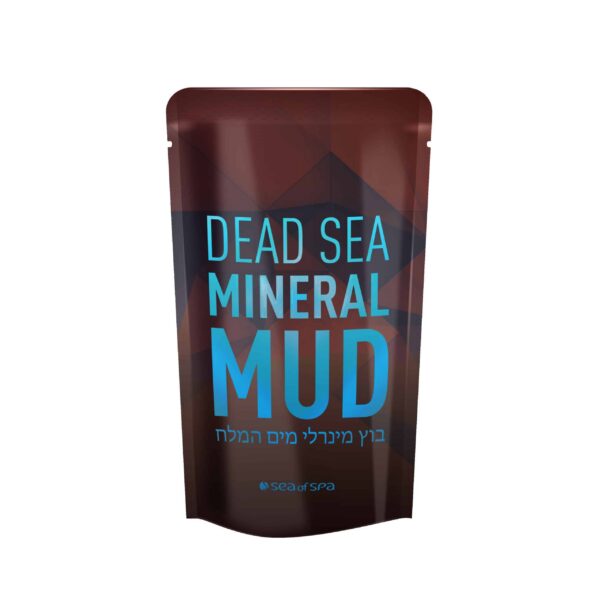
Dead Sea mud is a mineral-rich clay, not a medical treatment, and its job is straightforward: pull out surface oil and grime while leaving skin feeling smoother. The Sea of Spa – Dead Sea Mineral Mud ($10) is a straightforward 600 ml tub built for exactly this purpose, a cleansing, purifying mud you can use on the face or the whole body.
People sometimes expect a mud mask to erase pores or clear acne overnight. It won’t. What it reliably does is temporarily tighten the look of skin and leave it feeling refreshed once rinsed, which is a real, pleasant effect, just not a medical one.
How Do You Apply a Dead Sea Mud Mask, Step by Step?
Apply the mud to clean, slightly damp skin in a thin, even layer, and leave it on for ten to fifteen minutes, no more. Leaving it longer doesn’t deepen the effect — it just dries the mud out further and makes it harder to remove comfortably. Here’s the process step by step:
- Wash your face or whatever area you’re treating, then pat it mostly dry, leaving a bit of moisture behind.
- Scoop the mud out with clean fingers or a spatula, and never dip wet fingers straight back into the jar.
- Spread on a thin, even layer, staying clear of the eyes, lips, and any broken skin.
- Sit back for ten to fifteen minutes while it sets, going from glossy to matte.
- Rinse with warm, not hot, water, using your hands or a soft cloth, until every trace of mud is gone.
- Pat dry and follow with a moisturizer while your skin is still a little damp.
Warming the Mud First
The mud can also be warmed a little before you apply it, which some people find more soothing and easier to spread, especially in colder months. A few minutes in a warm, not hot, water bath is plenty — skip the microwave.
What to Do If It Feels Tight or Itchy
A bit of tightness as the mud dries is normal. Real itching or stinging isn’t, and that’s your cue to rinse off early and skip that product going forward. Everyone’s skin reacts to minerals a little differently, so a patch test on your inner arm the first time is a smart, low-effort habit to build.
How Often Should You Use a Mud Mask?
Most people do fine with a mud mask once or twice a week, since using it more often won’t speed up results and can leave skin feeling stripped. If your skin runs dry, once a week is plenty; oilier skin can usually handle twice.
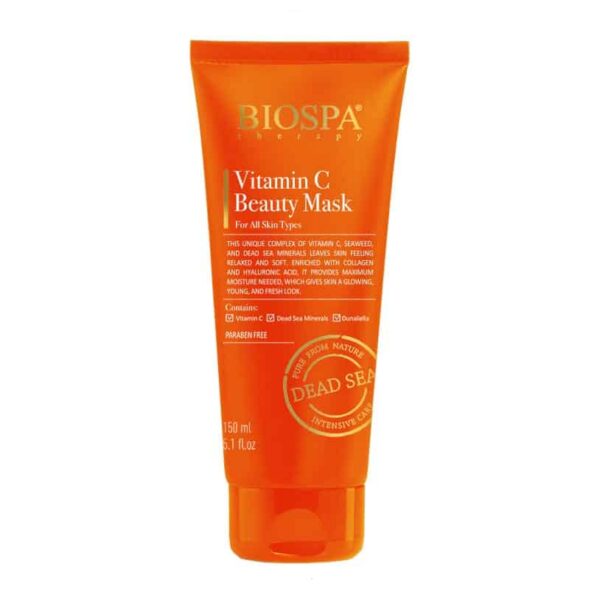
On the days in between, a lighter option works well. The Biospa Enriched Beauty Mask with Vitamin C ($10) is a 150 ml mask built around Vitamin C and Dead Sea minerals for moisture and a calmer feel, gentle enough to rotate in more often than straight mud is.
If you like exfoliating before you mask, the Aromatic Peeling Oil with Dead Sea Salt ($10) uses Dead Sea salt and pure oils to buff away dead skin first, giving the mud a cleaner surface to work with. It’s not a required step, just a nice one if your skin can handle it.
Can You Use Dead Sea Mud on Your Hair, Too?
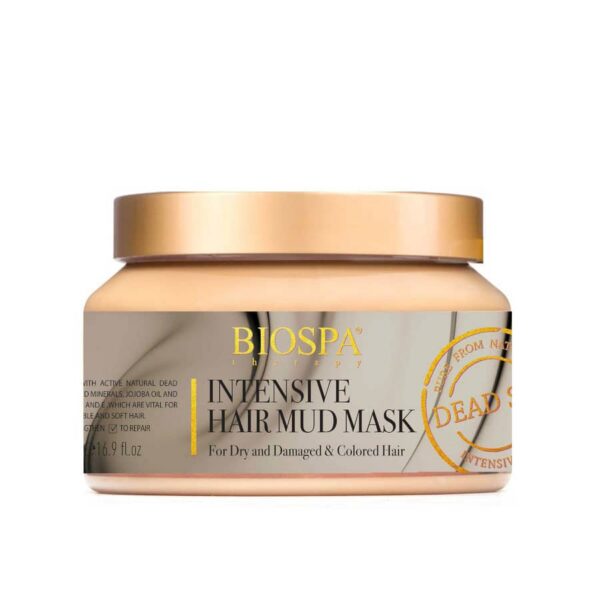
Yes — mineral mud isn’t just a face product; it’s a genuine category within hair care, aimed at softening strands rather than cleansing skin. The BioSpa – Mud Mask for Dry, Damaged, and Color-Treated Hair ($13) is a 500 ml mud mask with jojoba, made to soften and nourish rough or color-treated strands.
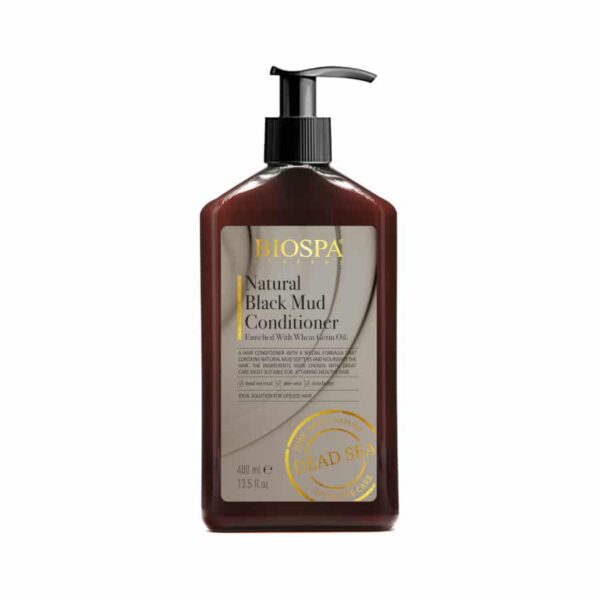
For something lighter, closer to a leave-in, the BioSpa Black Mud Conditioner for Dry, Damaged & Colored Hair ($10) blends black mud with wheat germ in a 400 ml bottle, meant to help soften hair without the sit-and-rinse commitment a full mask asks for.
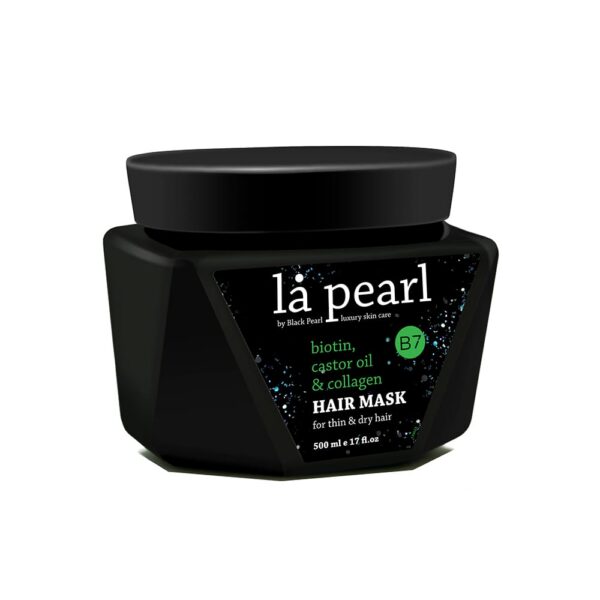
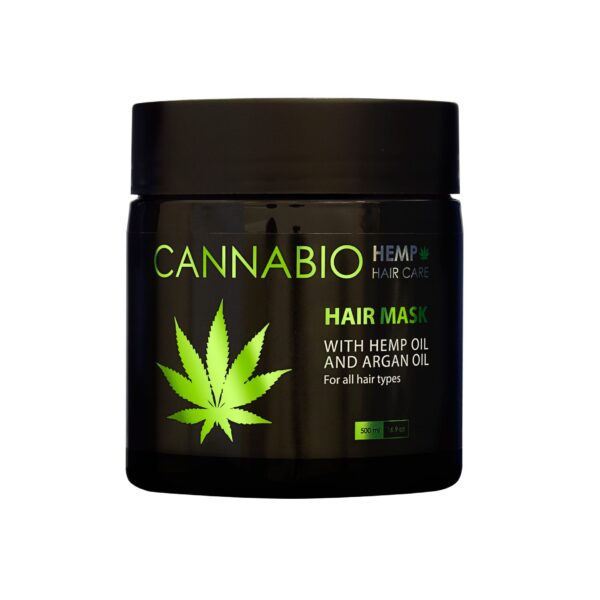
If your hair’s damage is more about texture than moisture, that’s where keratin or oil-based hair masks come in instead of mud. The La Pearl Hair Mask for Thin and Dry Hair ($95) leans on biotin, castor oil, and collagen for thin, fragile strands, while the CANNABIO Hemp & Argan Oil Hair Mask ($18) pairs hemp and argan oil with Dead Sea minerals to help strengthen fibers and add softness. None of these rebuild hair structurally — they work on the surface — but that’s exactly the job a weekly treatment is meant to do.
Quick Comparison
| Product | Best For | Price |
|---|---|---|
| Sea of Spa – Dead Sea Mineral Mud | Face or body, weekly mud mask | $10 |
| Biospa Enriched Beauty Mask with Vitamin C | Gentler, more frequent facial mask | $10 |
| Aromatic Peeling Oil with Dead Sea Salt | Pre-mask exfoliation | $10 |
| BioSpa Mud Mask for Hair | Dry, damaged, or colored hair | $13 |
| BioSpa Black Mud Conditioner | Quick softening, less time commitment | $10 |
What Won’t a Mud Mask Fix?
Honestly, a mud mask won’t clear up a skin condition, and it isn’t a stand-in for anything a dermatologist would prescribe. Dead Sea mud is mineral skincare, a texture-and-feel treatment rather than medicine, so keep your expectations tied to what it can actually do: temporary tightening, a refreshed feel, and softer-feeling strands if you’re using the hair versions.
The most common mistake has nothing to do with skin type — it’s timing. People let the mud crack and dry rock-hard, assuming that means it “worked harder.” It didn’t; it just got harder to rinse off and tugged at the skin in the process. Stop at ten to fifteen minutes, while it’s still a little pliable.
Worldwide shipping means none of this is limited by climate, though homes with very dry, low-humidity air may find masks dry out faster than expected. If that sounds like you, keep the session shorter and moisturize a bit heavier afterward.
Building a Simple Weekly Routine
A workable rhythm looks something like this: exfoliate once with the peeling oil, mud mask once with the mineral mud, and a lighter Vitamin C mask on a third day if your skin wants it. For hair, alternate the mud mask with the black mud conditioner depending on how much time you’ve got that week.
- Monday: Aromatic Peeling Oil exfoliation
- Wednesday: Sea of Spa Mineral Mud mask (face or body)
- Friday: Biospa Vitamin C beauty mask, or a hair mud mask instead
We’ve found spacing treatments out across the week, rather than piling them into one long weekend session, keeps skin from feeling tight or reactive. It’s a small shift, but it’s the difference between a routine that sticks and one you abandon after two weeks.
There’s no perfect schedule here, only a starting point. Adjust based on how your skin actually feels rather than a fixed calendar. That’s the whole point of a mineral routine — it should work with you, not become another chore.
Related products
-
-
-
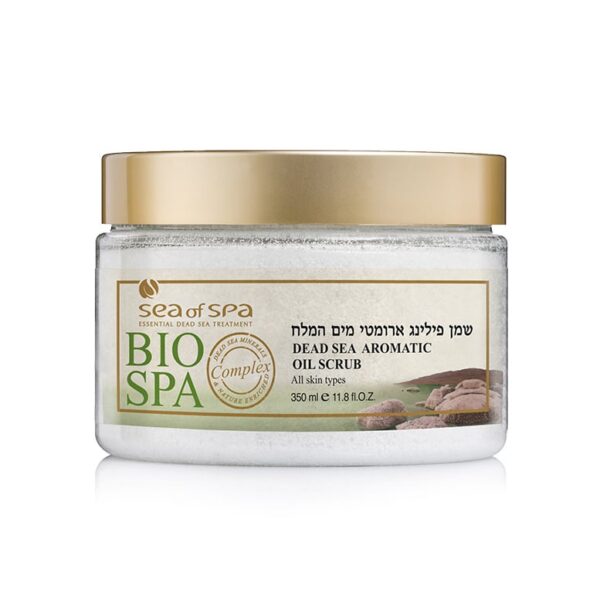 Bio Spa Aromatic Peeling Oil with Dead Sea Salt $10Select options This product has multiple variants. The options may be chosen on the product page
 -
-
-
-


Frequently asked questions
How long should I leave a Dead Sea mud mask on?
Ten to fifteen minutes is enough for most skin. The mud should look matte and feel slightly tight, not fully cracked and hard. Leaving it on longer doesn't improve results, it just makes rinsing more uncomfortable and can pull at the skin as you remove it.
Can I use a mud mask every day?
No, once or twice a week works better for most people. Daily use tends to leave skin feeling stripped rather than refreshed. On off days, a lighter option like the Biospa Enriched Beauty Mask with Vitamin C ($10) is gentler and can be worked in more often.
Is a Dead Sea mud mask good for oily or dry skin?
Both can use it, just adjust frequency. Oilier skin often tolerates it twice a week, while dry skin usually does better with once a week and a heavier moisturizer right after rinsing. Everyone reacts a little differently to minerals, so start slow and watch how your skin responds.
Can I use Dead Sea mud on my hair, not just my face?
Yes, mineral mud is also formulated for hair. The BioSpa Mud Mask for Dry, Damaged, and Color-Treated Hair ($13) and the BioSpa Black Mud Conditioner ($10) both use mud to soften and nourish strands, separate from any facial mud you'd use on skin.
Should I moisturize after a mud mask?
Yes, always follow with a moisturizer while skin is still a little damp. Mud draws out oil and moisture along with grime, so skipping the follow-up step is the main reason people find masks drying, especially in low-humidity climates.