
How to Build an Anti-Aging Skincare Routine
Let’s start with an honest promise, because the anti-aging aisle is full of dishonest ones. Cosmetics can do real, worthwhile things: hydrate, smooth the surface, soften the look of fine lines, and, most importantly, protect skin from further damage. What they can’t do is erase deep wrinkles or turn back the clock. No cream, however expensive, replaces what a dermatologist or an in-clinic treatment can offer for that. Once you accept that, building a good anti-aging routine gets simpler and a lot less stressful. You’re not chasing a miracle. You’re protecting and supporting your skin, day after day, so it looks and feels its best for as long as possible. Here’s how to build a routine that actually holds up, using real Dead Sea products.
What is the single most important step?
Daily sun protection. If you do nothing else on this page, do this. Sun exposure is the biggest driver of visible aging, responsible for much of the lines, uneven tone, and loss of firmness people blame on age alone. That means the highest-value anti-aging product you own is a daytime moisturizer with SPF, worn every day, even when it’s cloudy or you’re mostly indoors near windows. Protecting the skin from further damage matters more than any repair cream, because you can’t repair your way out of ongoing exposure. Make this the non-negotiable anchor of your routine, and everything else becomes a bonus rather than a burden.
How should your morning routine protect and hydrate?
Mornings are about defense. Keep it light and finish with protection. After a gentle cleanse, a hydrating serum such as La Pearl Serum ($25.04) helps skin hold water through the day and gives your cream something to seal. Follow with a nourishing day cream; for dry or mature skin, BioSpa Anti-Aging Day Cream with Olive Oil (50 ml) $23.92 keeps the surface soft and supple with softening oils. Then add sun protection as your final step, ideally a day cream with built-in SPF. The order runs thinnest to thickest: cleanse, serum, moisturizer, protection. That’s the whole morning, and it takes only a couple of minutes.
How should your evening routine repair?
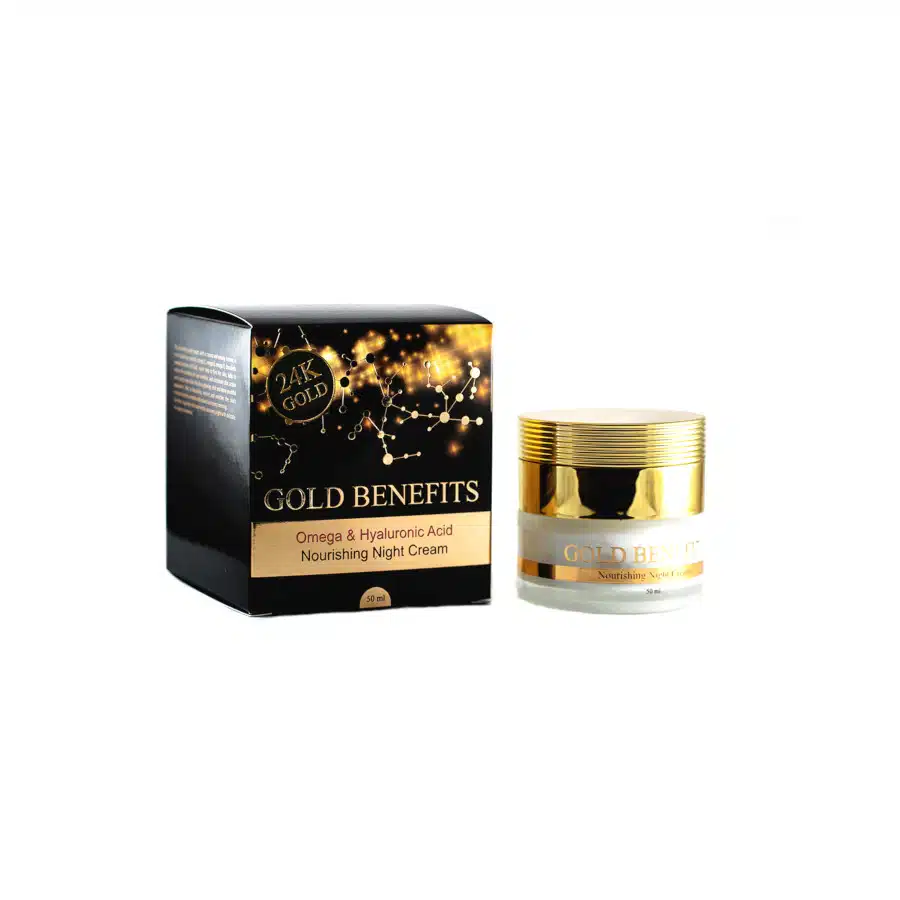
At night the goal shifts from protection to recovery, so this is where richer creams earn their place. After cleansing away the day, apply a substantial night cream that can work undisturbed for hours. BioSpa Anti-Aging Macadamia Night Cream ($23.92) uses rich macadamia oil to keep dry, mature skin comfortable overnight, and Gold Benefits Nourishing Night Cream ($23.92) is another comforting option for skin that feels tight by evening. A couple of nights a week, add a treatment mask; Biospa Enriched Beauty Mask with Vitamin C ($9.85) is an affordable way to brighten and hydrate. You don’t need all of these at once. Pick a night cream you like and use it consistently, then add the mask when you have time.
Which ingredients actually help?
You don’t need a chemistry degree, but a few names are worth knowing because they do genuine work in cosmetics:
- Collagen and hyaluronic acid: support hydration and help the skin surface look plumper and smoother.
- Dead Sea minerals: aim to support the skin barrier and help skin hold onto water.
- Vitamin C: may help brighten dull tone and even out the look of the complexion.
- Macadamia and olive oil: rich emollients that soften dry, mature skin and keep the barrier comfortable.
Notice the hedged language. These ingredients support and help; they don’t cure or reverse. That honesty is exactly how you should read any label.
What are realistic timelines?
Patience is part of the routine. Skincare works slowly, and anyone promising overnight change is selling hype. Hydration and smoothness can improve within days, because that’s the surface responding to moisture. Tone and texture usually take several weeks of consistent use before you notice a difference. Anything deeper, like firmness, changes gradually if at all, and much of what you gain is really prevention: damage you avoided rather than damage you undid. Judge a product over weeks, not days, and take a simple before photo if you want a fair comparison. Consistency over months beats intensity over a weekend, every time.
What can cosmetics not do?
This is where honesty protects you from wasted money. Cosmetics smooth, hydrate, and protect. They don’t erase deep wrinkles, lift sagging skin, or remove scars, and no over-the-counter cream will, regardless of price or packaging. For those concerns, a dermatologist can offer treatments that creams simply can’t match. If you have persistent redness, painful breakouts, changing moles, or anything that worries you, see a professional rather than reaching for another jar. A rich cream that feels too heavy for your face isn’t a failed anti-aging product, by the way; it’s still perfect for dry hands and feet.
How do lifestyle and consistency fit in?
Your daily habits shape your skin as much as your shelf does. Sleep, water, a balanced diet, not smoking, and above all sun protection do more over the years than any single cream. Think of your products as support for a healthy foundation, not a substitute for one. And build a routine you’ll genuinely stick to: a three-step plan you follow every day beats an eight-step plan you abandon within a week. Start small, add only what you’ll actually use, and let consistency do the quiet, cumulative work. That’s the real secret behind skin that ages well.
Every product mentioned here ships worldwide, with prices shown in US dollars.
Related products



Frequently asked questions
What is the most important anti-aging step?
Daily sun protection. Everyday sun exposure is the biggest driver of visible aging, so an SPF day cream every morning does the most for long-term results.
Which ingredients help with anti-aging?
Collagen and hyaluronic acid for hydration and the look of firmness, Dead Sea minerals for barrier support, and vitamin C for brightness and even tone.
How long until I see results?
Hydration effects show within a couple of weeks; firmness and tone shift slowly over months of consistent use. Deep lines are best discussed with a dermatologist.