
Skincare for Dry Skin
The fastest fix for dry skin
If your skin feels tight after washing and looks flaky by afternoon, do this today: switch to a gentle, non-stripping cleanser, apply moisturizer while skin is still damp, and seal everything in with a rich cream morning and night. That’s the whole game. Dry skin isn’t a character flaw or a product you just haven’t found yet, it’s a barrier leaking water faster than it can hold onto it, and the fix is mostly about slowing that leak and refilling what’s lost.
Below is what’s actually happening, how to tell dry from dehydrated (they’re not the same thing), and a simple routine built around Dead Sea mineral products suited to dry, comfort-starved skin. Ashury ships worldwide, so it doesn’t matter whether you’re in a dry winter flat in Berlin or a heavily air-conditioned office in Dubai.
What dry skin actually is
Dry skin is a skin type. It means your skin produces less oil (sebum) than it needs to keep its outer barrier sealed. Without enough of that oily film, water evaporates straight out of the top layers, leaving you with tightness, fine flaking, rough patches, and sometimes a dull, papery look. It tends to run in families, and it usually gets worse with age as oil production naturally slows.
A handful of everyday things make it worse, often without you noticing:
- Cold, dry air and indoor heating in winter, which pull moisture out of the skin
- Hot showers and long baths that strip away protective oils
- Harsh, foaming cleansers and strong soaps that leave skin squeaky and tight
- Over-washing, over-exfoliating, and layering too many active ingredients at once
- Age and hormonal shifts, which reduce the natural oils that keep skin supple
Dry versus dehydrated: how to tell
People mix these up constantly, and it matters because the fix is different. Dry skin lacks oil. Dehydrated skin lacks water, and it’s a temporary condition that can happen to any skin type, even oily ones. Here’s a quick way to tell them apart.
| Sign | Dry skin (lacks oil) | Dehydrated skin (lacks water) |
|---|---|---|
| Feels | Tight, rough, sometimes itchy all the time | Tight after cleansing, improves with water |
| Looks | Flaky, dull, fine white bits | Fine crepey lines, looks “deflated” |
| Oil | Little to no shine anywhere | Can still be shiny in the T-zone |
| Best answer | Rich oils and butters | Water-binding humectants, then a seal |
Plenty of people have both at once. The good news? The routine below covers both, since it pairs water-drawing steps with rich, oil-based sealing.
A simple routine for dry skin, morning and night
You don’t need ten steps. You need four done consistently: cleanse gently, add water-binding moisture to damp skin, seal it with something rich, and exfoliate lightly once a week so your creams can actually sink in.
Step 1: Cleanse without stripping
Skip anything that leaves you squeaky. A creamy, mineral-based wash cleans without dragging your oils out with it.
Bio Spa Nourishing Body Wash ($11) is a good example of the texture you want, at least for the body and hands. Formulated with Dead Sea minerals and plant extracts, it cleans while leaving skin feeling balanced rather than tight. It’s a generous 780 ml bottle, so it lasts. For your face, keep the same principle: lukewarm water, a soft cleanser, and no scrubbing.
Step 2: Moisturize on damp skin
This is the step most people get wrong. Don’t wait until your skin is bone-dry to moisturize, pat it so it’s still slightly damp, then apply your cream right away. Damp skin gives the emollients water to trap, which is how you get that soft, cushioned feel instead of a coat of product sitting on a dry surface.
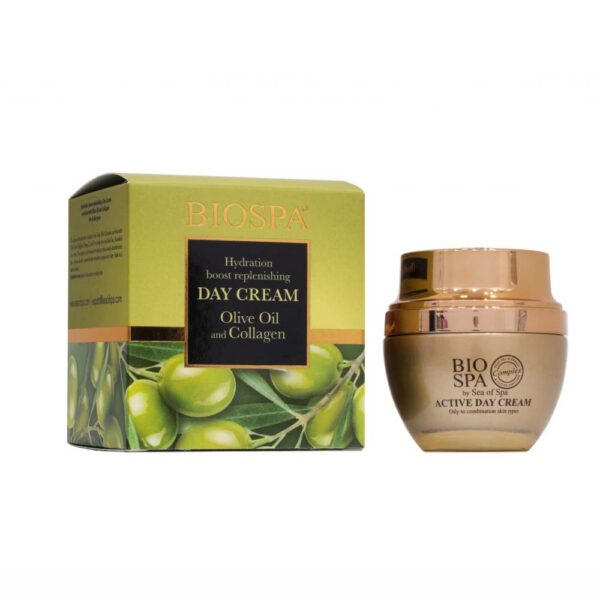
BioSpa Anti-Aging Day Cream with Olive Oil ($24) is a sensible daytime choice for normal to dry skin. Olive oil brings the emollient richness dry skin craves, and it wears well under sunscreen or makeup. Smooth a thin layer over slightly damp skin each morning and let it absorb before you head out.
Step 3: Seal it in at night
Nighttime is when your skin does its repair work, so this is where a heavier, richer cream earns its place. Pick one of these depending on your budget and how rich you like your creams.
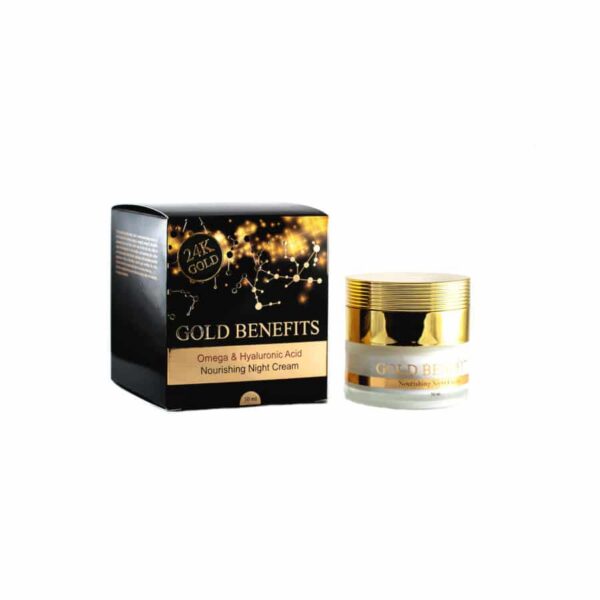
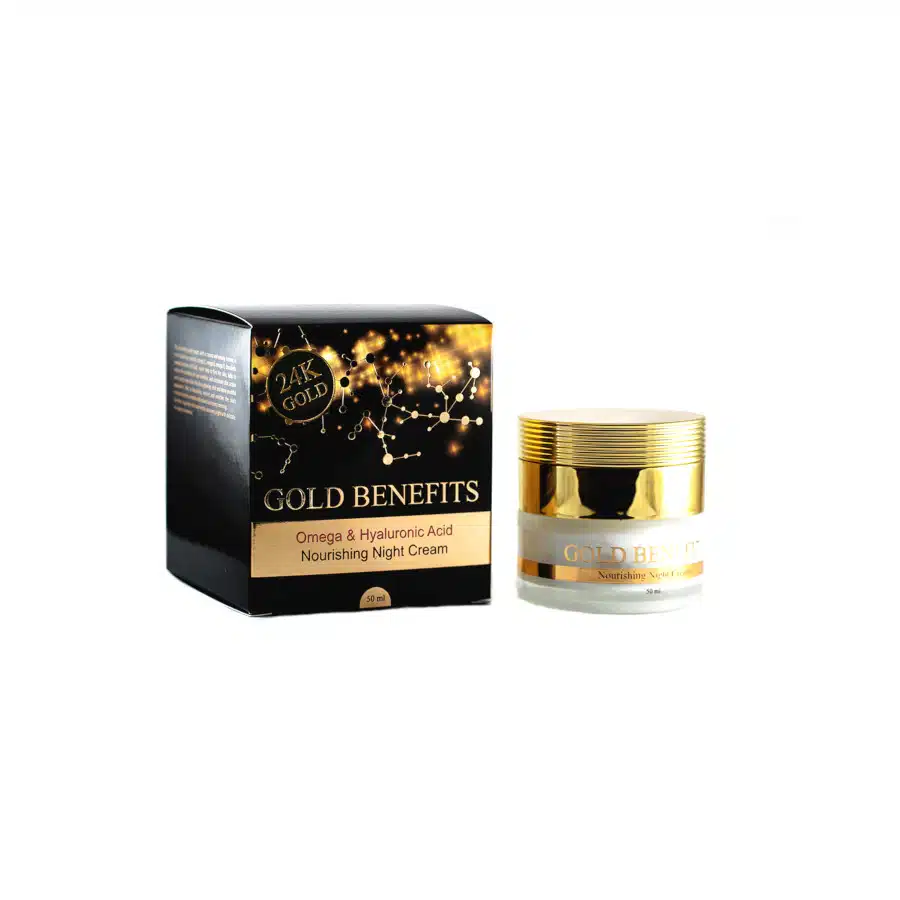
Gold Benefits Nourishing Night Cream ($24) is a velvety 50 ml cream built around Dead Sea minerals, omegas and gold. Massage it in nightly with gentle upward motions. It’s rich without feeling greasy, which makes it an easy nightly habit.
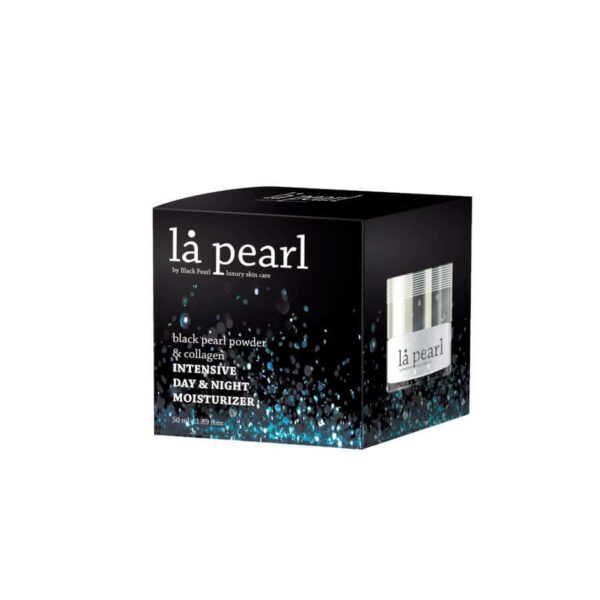
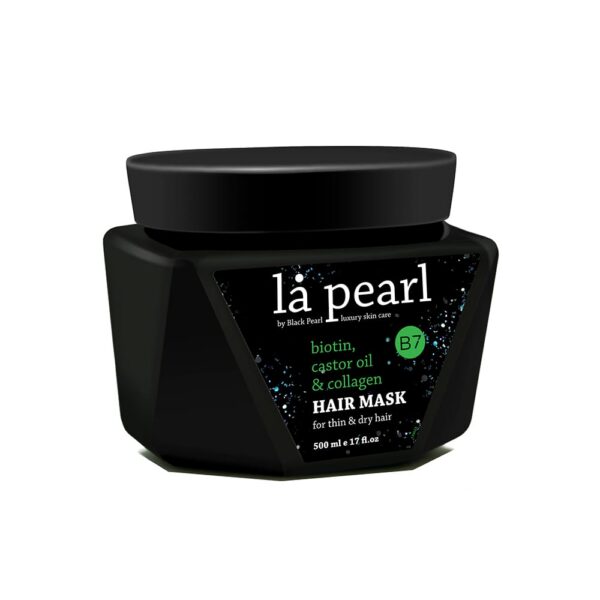
La Pearl Day/Night Cream ($25) is a flexible option if you’d rather buy one cream and use it around the clock. The rich, velvety texture sinks in with a short massage, so you can use it in the morning, at night, or both.
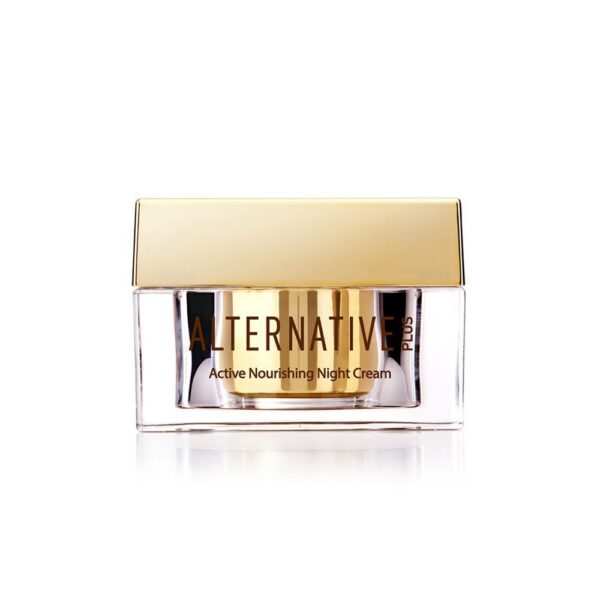
Alternative Nourishing Night Cream ($30) is the most indulgent of the three. Apply it to clean skin as the last step of your evening routine and let it work overnight. It’s the one to reach for when your skin is really parched and needs extra comfort.
You don’t need all three. One night cream, used every evening, does far more than a shelf full of half-used jars.
Step 4: Exfoliate gently, once a week
Dry skin builds up flakes that block your creams from absorbing, so a little exfoliation helps, but the key word is gentle. Once a week is plenty.
Aromatic Peeling Oil with Dead Sea Salt ($10) does this nicely because it exfoliates and moisturizes in the same pass. Natural Dead Sea salt lifts away dead cells while the pure oils nourish, so you rinse off soft rather than raw. Use it in the shower once a week, then follow with your usual moisturizer.
Don’t forget hands and feet
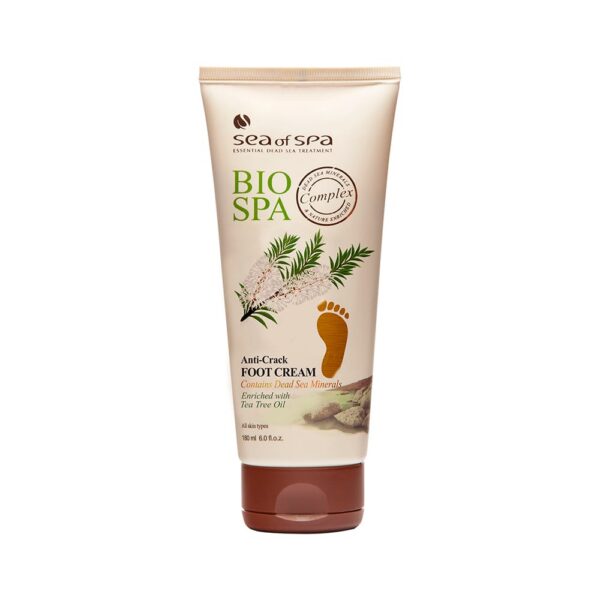
Dryness shows up first where skin is thickest and busiest, heels crack, hands chap. Bio Spa Anti-Crack Foot Cream ($14) is a rich 180 ml treatment with Dead Sea minerals and tea tree oil, made to soothe and soften even very dry or cracked feet. Massage it in before bed and, if you can, wear cotton socks overnight to help it soak in.
Mistakes that keep skin dry
A few habits quietly undo everything else you’re doing:
- Washing your face with hot water. Warm is kinder; hot melts away the oils you’re trying to protect.
- Waiting too long to moisturize. Do it within a minute of cleansing, while skin’s still damp.
- Piling on strong actives. Retinols and acids on already-dry skin often make flaking worse. Introduce them slowly, if at all.
- Over-exfoliating. More than once or twice a week and you’re sanding down the barrier you need.
- Ignoring the air around you. A humidifier in winter does real work, especially overnight.
- Giving up after three days. Barrier repair takes a couple of weeks of steady care, not one heroic night.
When to see a professional
Most dry skin responds well to gentler washing and richer moisturizing. But see a dermatologist if your skin cracks, bleeds, or itches badly enough to disturb sleep; if you notice redness, scaling, or patches that spread or won’t clear; or if nothing improves after a few weeks of consistent care. These can signal conditions like eczema or psoriasis that need proper medical treatment rather than a new cream. Skincare products soothe and support dry skin. They don’t diagnose or cure skin disease, so when something feels off, get a real opinion.
For everyday dryness, though, the routine above is genuinely most of the battle. Cleanse kindly, moisturize damp skin, seal with something rich, exfoliate lightly, and give it two or three weeks. Your skin will meet you halfway.
Shop this guide
-
-
-
-
-
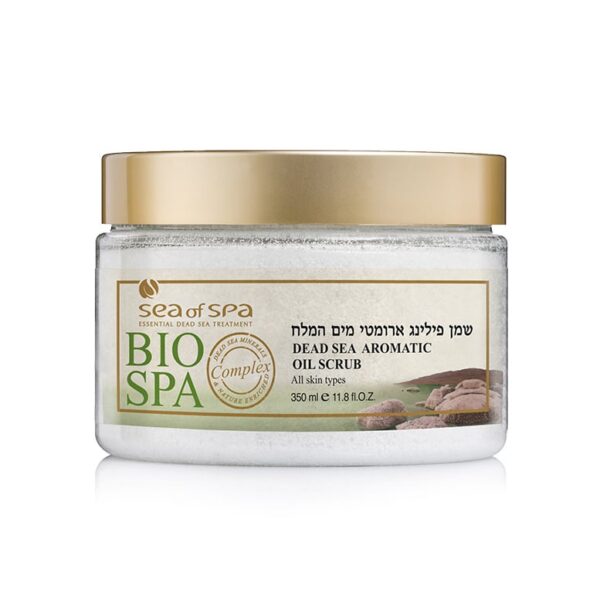 Bio Spa Aromatic Peeling Oil with Dead Sea Salt $10Select options This product has multiple variants. The options may be chosen on the product page
 -
-
-
-
-
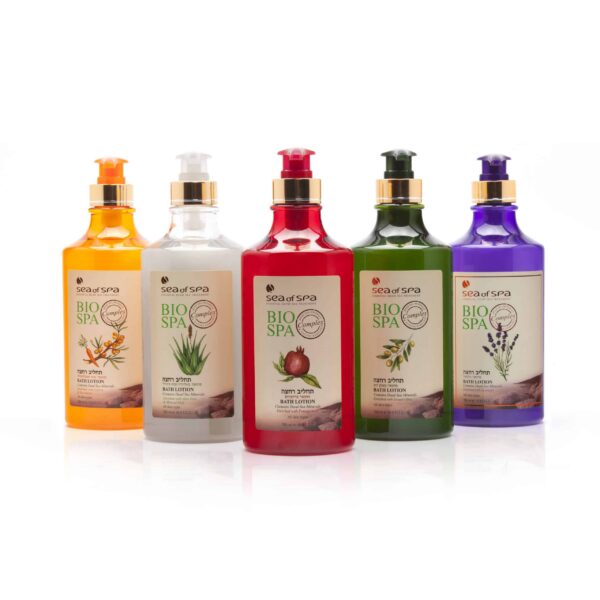 Bio Spa Bio Spa Nourishing Body Wash $11Select options This product has multiple variants. The options may be chosen on the product page
 -
-




Frequently asked questions
What causes dry skin?
A weakened barrier that loses water too quickly — worsened by cold air, hot showers, harsh cleansers and age. Rich, occlusive products help restore it.
What ingredients are best for dry skin?
Shea butter, plant oils, Dead Sea minerals and humectants like hyaluronic acid — moisture-drawing actives sealed under rich emollients.