
Night Cream for Combination Skin
Nighttime is when your skin does most of its repair work, which makes your night cream one of the highest-value products in a combination-skin routine. The catch is the same one you fight all day: your T-zone still runs oily while you sleep, and your cheeks still lose water. Pile on a rich night cream everywhere and you may wake up with a slick nose and congested pores. Skip it, and your cheeks feel tight by morning. The answer, again, is to multi-moisturize: go lighter on the T-zone, richer on the cheeks, and let each zone get what it actually needs overnight.
Why combination skin needs overnight care
While you sleep, skin loses water more freely and gets on with repair, so nighttime is prime moisturizing territory. For combination skin, that means the cheeks especially benefit from a comforting layer that helps them hold water until morning. The T-zone, though, doesn’t stop producing oil at night, so it needs support without heaviness. A good night routine isn’t about drowning the whole face in the richest cream you own. It’s about giving the dry areas more and the oily areas just enough, so you wake up balanced rather than shiny in the middle and tight at the edges.
How do you treat two zones at night?
The principle is identical to daytime, only the textures can be a little more nourishing. Apply a light, even base of night cream across the whole face, then concentrate the richer coverage on the cheeks and go sparingly over the nose, forehead and chin. If your T-zone tends to break out, keeping heavier creams off it overnight makes a real difference. You’re not using two products because the rules changed after dark. You’re using amounts and placement to respect two skin types on one face, the same way you do every morning.
Which night cream suits combination skin?
A balanced, flexible formula is your best all-over base. The La Pearl Day/Night Cream (50 ml) $25.04 is versatile enough to use at night across the whole face, light on the T-zone and pressed more generously into the cheeks. If you prefer something built around the oily-to-combination balance, the Bio Marine Natural Collagen Night Cream (50 ml) $20.54 aims to nourish and support the barrier overnight without the weight of a heavy anti-aging cream. Either one works as your nightly foundation; the zone-by-zone application is what makes it suit combination skin.
When do richer night creams make sense?
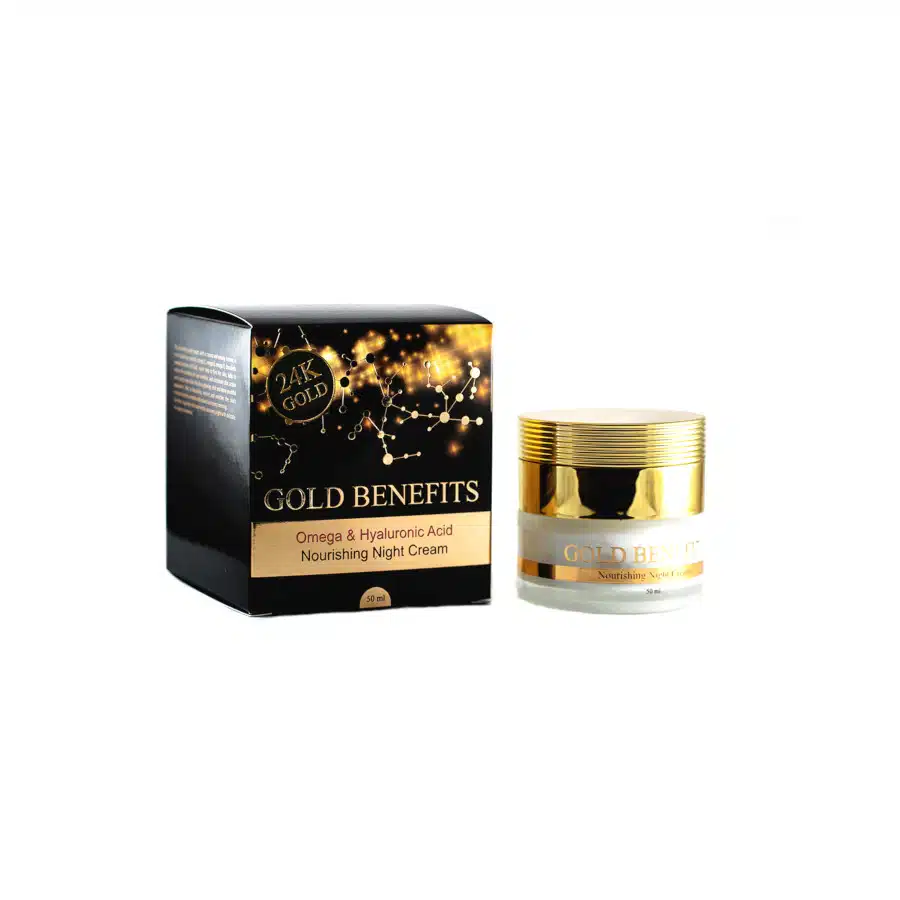
Some night creams are genuinely rich, and that’s a feature, not a flaw, as long as you keep them where they belong. A heavier option like the Gold Benefits Nourishing Night Cream $23.92 can comfort truly dry cheeks, but it’s too much for a combination T-zone and is best kept off the nose and forehead entirely. Use it as a spot treatment on the driest patches rather than an all-over layer. The honest rule holds: a cream that’s too heavy for your face is still perfect for hands, so a rich formula never has to go to waste.
How much night cream should you apply?
Less than you think, and unevenly on purpose. Combination skin rarely needs a thick coat everywhere, and overloading the T-zone is what triggers overnight congestion.
- Base layer: A pea-sized amount of light night cream over the whole face.
- Cheeks: Add a little more, or a richer cream, pressed into the drier outer face.
- T-zone: A thin pass only; skip the heavy stuff on the nose and forehead.
- Timing: Apply to clean skin and give it a couple of minutes to absorb before your pillow.
Can you layer a serum underneath?
Yes, and it’s an elegant way to hydrate cheeks without weighing down the T-zone. Following the thinnest-to-thickest order, a serum goes on before your cream. The La Pearl Serum $25.04 can be pressed onto the cheeks first, then sealed with a light night cream over the whole face. That layered approach targets dryness precisely and lets you keep the surface cream light everywhere, so the T-zone stays comfortable while the cheeks get the extra hydration they lose overnight.
What results should you expect?
Overnight care builds slowly, so judge it by weeks, not mornings. A suitable night cream may help your cheeks feel softer and more comfortable and may reduce that tight, dry morning feeling over time. It won’t stop the T-zone from ever being oily or transform your skin in a single night, and Dead Sea minerals support the barrier rather than working miracles. Consistency beats complexity: the same thoughtful, zone-by-zone routine, repeated nightly, does far more than any occasional splurge. If you have persistent breakouts, stubborn redness or cracked, irritated patches, see a dermatologist rather than reaching for a richer cream. One practical touch: press the cream a little more generously onto the drier cheeks and jawline, and keep it sheer over the oilier T-zone, so each area gets exactly what it needs.
Every product mentioned ships worldwide from Ashury with prices shown in US dollars.
Shop this guide



Frequently asked questions
How do I use a night cream on combination skin?
Apply a thin layer on the oily T-zone and a slightly richer amount on drier cheeks. The two zones benefit from different amounts.
Which night cream is best for combination skin?
A moderately light, flexible formula. Keep richer creams to the cheeks only, and use a thin layer across the T-zone.
Does combination skin need a night cream every night?
A light night cream most nights helps keep hydration balanced. Adjust the amount to how your skin feels.