
Face Cream vs Body Cream: Can You Use One for Both?
Face cream versus body cream comes down to how targeted and how gentle a formula needs to be. Facial skin is thinner and more sensitive than skin on the arms, legs, or torso, so face creams are usually lighter and more precisely formulated. Body creams can afford to be richer, since they’re covering larger, tougher areas. Swapping one for the other in a pinch isn’t usually a problem, but it’s not the ideal habit either.
Why Are Face Creams Formulated Differently?
Face creams are generally lighter and more targeted because facial skin is thinner, more visible, and often more reactive than skin elsewhere on the body. The BioSpa Anti-Aging Day Cream with Olive Oil ($24) is built specifically for that kind of daily facial use, aiming to moisturize normal to dry skin without any heavy feel.
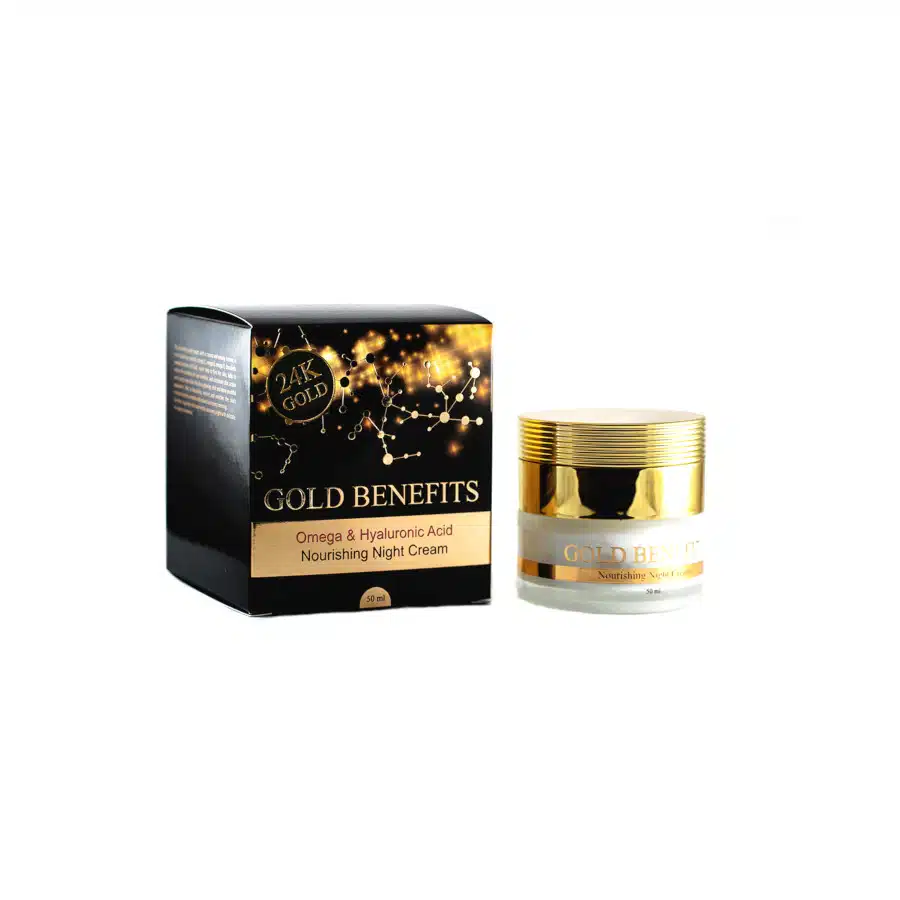
Because the face needs to look and feel presentable under makeup or in daylight, many day formulas go for a fast-absorbing, non-greasy texture. Night formulas can afford to be richer, since there’s no makeup to worry about. The BioSpa Anti-Aging Macadamia Night Cream ($24) and Gold Benefits Nourishing Night Cream ($24) both lean into that overnight richness while still staying appropriate for the face.
Some facial formulas are built around one specific concern rather than general moisture. The BioSpa Nourishing Night Cream with Sea Buckthorn & Carrot ($24) targets dry skin directly, while a dual-purpose option like the La Pearl – Day/Night Cream ($25) handles both times of day in a single facial formula.
Why Do Body Creams Take a Different Approach?
Body cream versus face cream also comes down to surface area and skin thickness. Skin on the body is generally less sensitive than facial skin, so body creams can use richer, heavier formulas without the same risk of feeling like too much, or clogging pores the way a rich formula might on the face.
Everyday body creams are usually built for quick coverage over large areas rather than precise, targeted application. The Sea of Spa Snow White Body Cream ($29) is a 250 ml fast-absorbing formula suitable for all skin types, made for exactly that kind of broad daily use. Lighter, budget-friendly options like the BioSpa Body Cream with Shea Butter & Aloe Vera ($14) and BioSpa Body Cream with Pomegranate & Fig ($14) follow the same everyday logic.
Some body formulas target specific rough or irritated patches rather than all-over softness. The Psomedic Skin Relief Cream ($11) is built for hard, rough, and irritated skin, using propolis, honey, and Dead Sea minerals, while the Alternative Body Cream ($24) goes for a more general feeling of intensive protection and everyday moisture.
Is It Fine to Use Body Cream on Your Face, or Vice Versa?
Using a body cream on your face now and then, or a face cream on your body, generally isn’t harmful, but it’s not the ideal long-term habit either. Body creams are often richer than facial skin needs day to day, and face creams tend to come in smaller, pricier quantities that don’t make much financial sense for covering arms and legs.
In practice, the products that blur this line most are the multi-purpose ones. Formulas like the BioSpa Multi-Purpose Papaya Body Cream and BIOSPA Aloe Vera Multi-Purpose Body Cream are built with broader use in mind, but a dedicated facial line still tends to fit facial skin’s needs more precisely than a general body formula ever could.
Budget is often the real reason people even consider swapping. At $14 to $24, several BioSpa body creams cost less per use than facial-specific formulas, which can make an occasional face-body swap tempting when money is tight, more than it’s ever a deliberate skincare choice.
- Face: thinner, more sensitive skin, needs lighter, more targeted formulas.
- Body: thicker, more resilient skin, handles richer, larger-coverage creams just fine.
- Occasional swap: not harmful, but not the ideal habit long-term.
- Full routine: a bundled option keeps face and body properly separated from the start.
How Do You Build a Routine That Covers Both?
A complete routine usually means budgeting for both a facial formula and a separate body formula, rather than relying on one product to cover everywhere. For anyone starting from scratch, a bundled set can simplify that decision quite a bit. The Alternative Active Face Care Kit ($123) includes a day cream, night cream, eye and neck cream, and serum together, covering the facial side of a routine in one purchase.
The body side can then be handled separately, often more cheaply, since most body creams here sit in the $11 to $29 range. Pairing a facial kit with a daily body cream, say the Alternative – Nourishing Night Cream ($30) on the face and one of the $14 BioSpa body creams elsewhere, keeps each product doing the job it was actually formulated for.
Face cream and body cream aren’t interchangeable by design, even if a single swap now and then won’t cause any harm. Facial skin’s thinness and visibility call for lighter, more targeted formulas, while the body’s larger surface area handles richer, simpler creams just fine. Keeping the two separate, rather than defaulting to one product for everywhere, tends to serve both areas better over time.
Shop this guide



Frequently asked questions
Can I use body cream on my face?
It's best not to as a routine — body creams are richer and not formulated for facial skin, which is thinner and more prone to breakouts. Use a face cream on your face.
Can I use my face cream on my body?
You can, but facial moisturizers are pricier and lighter, so it's usually more practical to use a dedicated body cream on larger areas.
Why are face creams and body creams different?
Facial skin is more delicate and reactive, so face creams are lighter and more targeted, while body creams are richer to cover larger, tougher areas.
Is one moisturizer enough for face and body?
For simplicity some people use one gentle cream everywhere, but most skin does better with a lighter face formula and a richer body formula.