
Face Serum vs Face Cream: Do You Need Both?
Face serum versus face cream isn’t really an either-or question — it’s about what each step is built to do. A serum is lightweight and concentrated, meant to go on first, on clean skin, so it can absorb quickly. A face cream is thicker, applied afterward to seal moisture in and finish the routine. Most people do better using both rather than treating them as competitors.
What Is a Face Serum Built to Do?
A serum is generally thinner and more concentrated than a cream, made to go on first so its ingredients reach the skin directly instead of getting trapped under a heavier layer. The La Pearl Serum ($25) is a 50 ml formula meant for twice-daily use on clean skin, before a moisturizer, aiming to help skin look firmer and more radiant.
Because serums are lighter, they absorb faster and leave less of a heavy feel than a cream would on its own. The Alternative – Active Facial Serum ($30) follows the same idea, combining Dead Sea minerals and vitamins in a formula meant to help address visible signs of aging while supporting balanced moisture.
The tradeoff with a serum on its own: its lightweight texture doesn’t do much to lock moisture in afterward. That matters less in humid climates, but it’s the main reason serums usually get paired with something heavier rather than used by themselves.
Where Does a Face Cream or Moisturizer Come In?
A face cream is thicker and acts as the sealing step, applied after a serum to hold moisture in and give skin a finished, protected feel. Daytime formulas tend to be lighter for practical reasons, since they need to sit comfortably under makeup or sunscreen. The BioSpa Anti-Aging Day Cream with Olive Oil ($24) is built for exactly that kind of daily, moisture-focused daytime use.
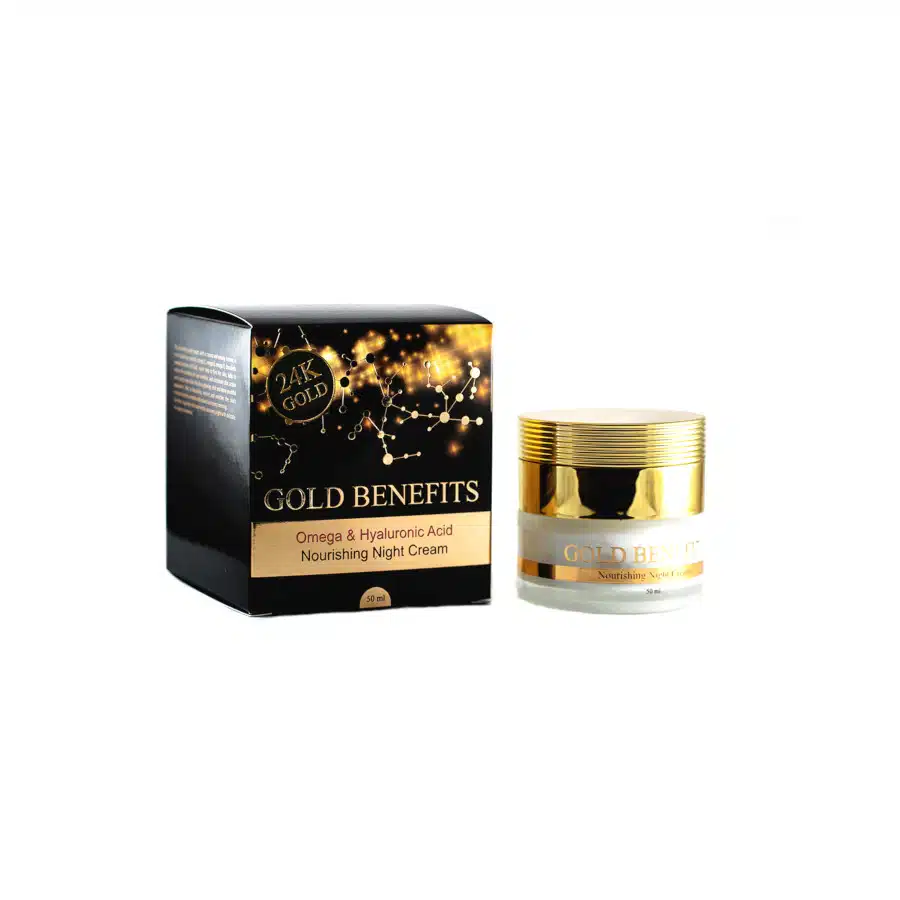
Nighttime formulas can afford to be richer, since there’s no makeup or SPF to work around. The BioSpa Anti-Aging Macadamia Night Cream ($24) and Gold Benefits Nourishing Night Cream ($24) are both built to work overnight, supporting hydration while you sleep rather than during the day.
Some creams are built specifically for drier skin that needs more from this last step. The BioSpa Nourishing Night Cream with Sea Buckthorn & Carrot ($24) targets dry skin directly, while heavier options like the Black Pearl 24K Gold Supreme Night Cream ($666) or Black Pearl – Precious Gold 24K Day Cream ($666) sit at the more indulgent end of the same category.
Do You Actually Need Both a Serum and a Cream?
Most routines benefit from both, since they’re doing different jobs rather than duplicating each other. A serum delivers its formula close to the skin, while a cream on top keeps that moisture from evaporating and adds its own nourishing ingredients. Skip the cream after a serum, and you often lose much of the benefit to evaporation.
That said, not everyone needs a two-step routine every single day. If time or budget is tight, one well-matched cream can still provide meaningful daily moisture on its own, even without a serum layered underneath.
- Serum first: lightweight, concentrated, absorbs fast into clean skin.
- Cream second: thicker, seals the moisture in, and finishes the routine.
- Dry or mature skin: layering both tends to matter more, since a cream alone may not be enough.
- Simpler routines: a single cream can still work as a standalone step when time is short.
How Should You Layer a Serum and Cream Together?
Order matters more than most people realize. Apply a cream before a serum and you can actually block the serum from doing much at all, since it can’t get through a layer that’s already sealing the skin. Serum always goes on clean skin first, cream follows.
Some product pairs are explicitly designed with this order in mind. The Alternative – Nourishing Night Cream ($30) notes it works best when used after the Alternative serum, a clear example of a two-step system rather than two separate, unrelated products.
For anyone rebuilding a routine from scratch, a day/night option simplifies the cream side of things. The La Pearl – Day/Night Cream ($25) works at either time, so it pairs with the La Pearl Serum without needing separate day and night formulas.
Serum and cream aren’t rivals — they’re sequential steps built to work together. A serum delivers concentrated ingredients to clean skin, and a cream on top locks that in while adding its own moisture. If you only have time or budget for one, a cream alone still does meaningful daily work. But pairing both, applied in the right order, tends to give skin more consistent support over time.
How to choose if you’re just starting out
If you’re building a routine from scratch, start with a moisturizer — sealing in hydration is the one non-negotiable step for almost every skin type. Add a serum once you have a specific goal in mind, whether that’s extra hydration, a brighter look, or a firmer feel, and introduce it on its own for a week or two so you can tell how your skin actually responds. Whichever you try first, patch-test a new product on your inner arm or jaw before putting it on your whole face, and give any pairing several weeks of consistent use before deciding if it earns a permanent spot in your routine.
Shop this guide



Frequently asked questions
Should I use a serum or a moisturizer?
They do different jobs — a serum delivers concentrated ingredients and a moisturizer seals in hydration. Many routines use a serum first, then a cream on top.
Can a serum replace my moisturizer?
Usually not. Serums are lightweight and don't always seal moisture in the way a cream does, so most skin still benefits from a moisturizer over the serum.
What order do serum and cream go in?
Apply the lighter serum to clean skin first, let it absorb, then follow with your face cream.
Do I need both if I have oily skin?
Often yes — a light serum plus a light moisturizer works for oily skin. Choose lighter, fast-absorbing formulas rather than skipping moisturizer altogether.