
Mud Mask vs Face Mask: What’s the Difference?
Mud mask versus face mask mostly comes down to what your skin needs right now: purifying and drawing out oil, or exfoliating and refining texture. A Dead Sea mud mask is a mineral-rich clay that pulls impurities out of congested pores, while other face masks, like peeling gels or collagen-based formulas, focus on smoothing texture rather than deep cleansing. Neither one wins universally, and plenty of routines rotate between the two.
What Is a Dead Sea Mud Mask?
A Dead Sea mud mask is a mineral clay formula built to draw out excess oil and impurities while delivering minerals to the skin. It’s the category most associated with the Dead Sea itself, since the mud is harvested directly from the region and prized for how concentrated its minerals are.
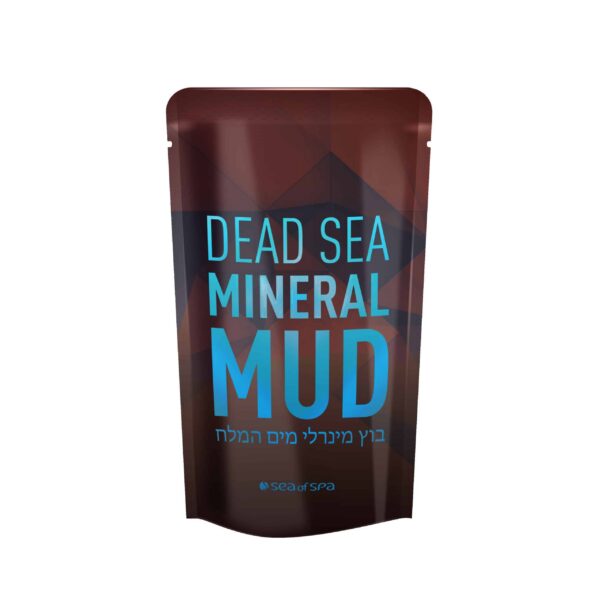
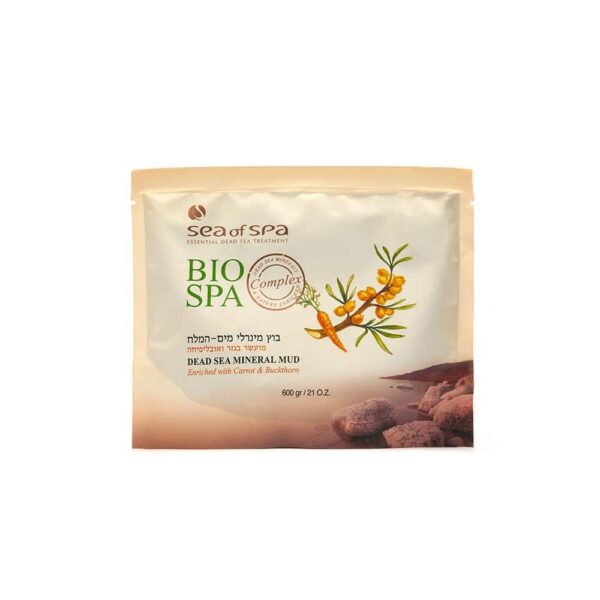
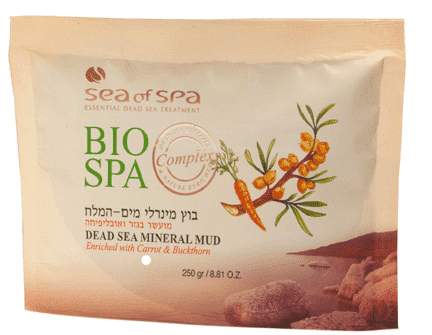
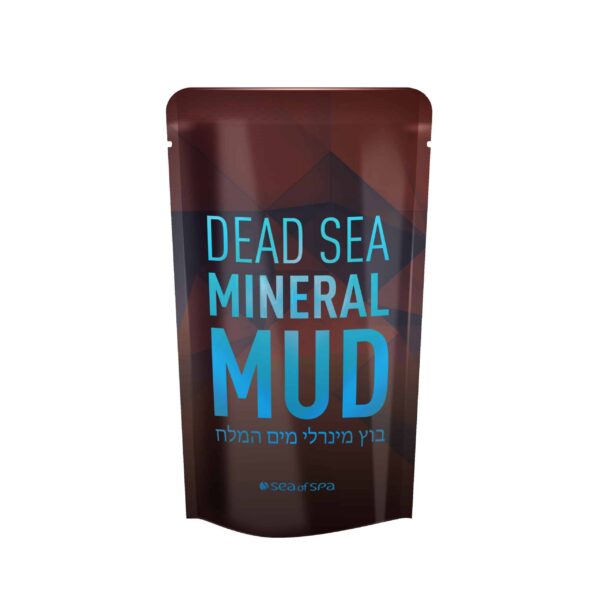
Ashury carries several straightforward versions of this format. The Sea of Spa Dead Sea Mineral Mud (600 ml, $10) is meant to cleanse and purify, and can even be warmed to soothe joints when used on the body. The Dead Sea Mineral Mud Enriched with Carrot & Sea Buckthorn (250 gr, $8) and the BioSpa Mineral Mud with Sea Buckthorn & Carrot (600 g, $3) add nourishing oils to that same base clay. For anyone who wants to try the format before committing, the Dead Sea Mud Sample ($34) offers mineral-rich mud built to deeply cleanse and absorb excess oil.
What Is a Hydrating or Peel-Off Face Mask?
A hydrating or peel-off face mask generally targets moisture and texture rather than deep pore cleansing. These formulas often contain collagen, hyaluronic acid, or gentle exfoliating acids, and aim to leave skin looking smoother and more radiant rather than pulling oil out.
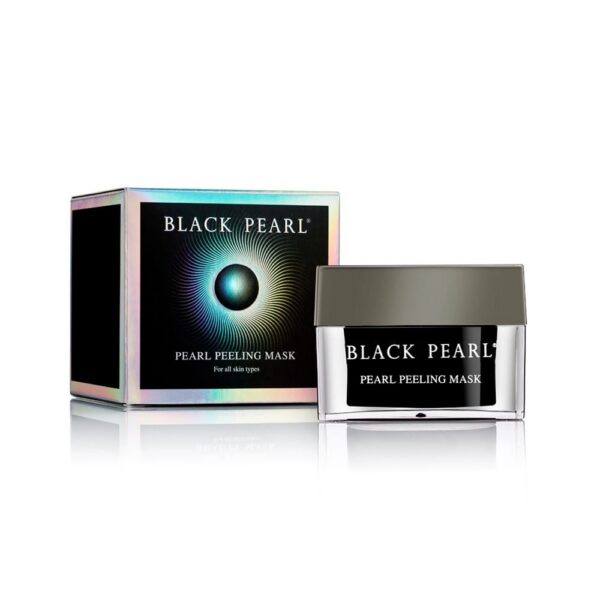
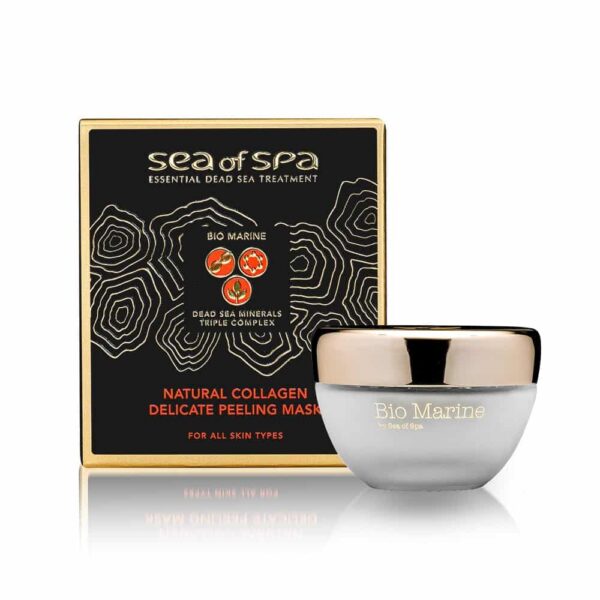
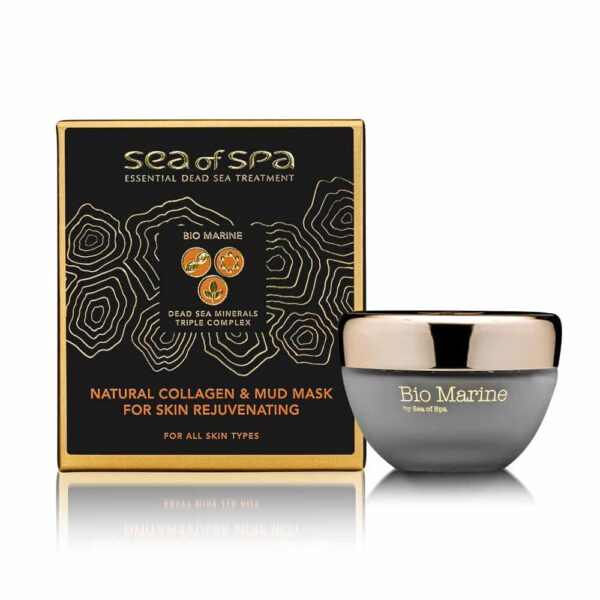
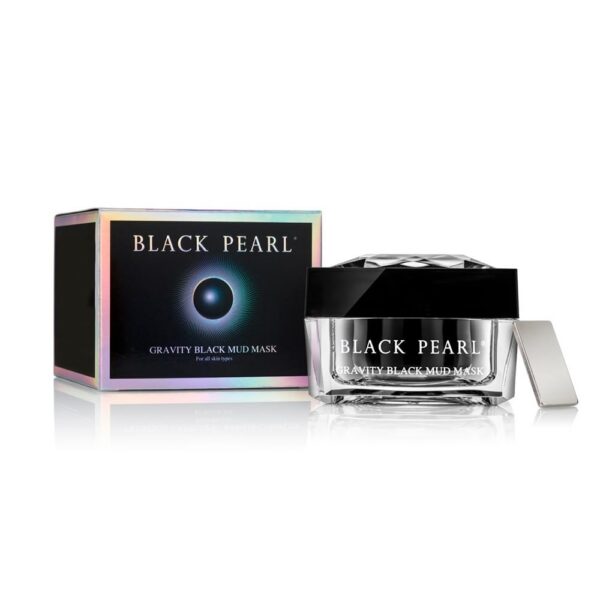
The Bio Marine Natural Collagen & Mud Mask for Skin Renewal (50 ml, $21) actually blends both worlds, pairing mud with collagen to cleanse while supporting renewal. The Bio Marine Gentle Peeling Mask with Natural Collagen (50 ml, $21) leans further into texture, using fruit AHAs and a Hyaluronic Acid and Ceramide complex to gently exfoliate. The Black Pearl Pearl Peeling Mask for All Skin Types (50 ml, $52) works in a similar way, with pearl powder, seaweed, and Dead Sea minerals aimed at exfoliating dead skin for a fresher look.
Mud Mask vs Face Mask: Key Differences
The clearest difference between a mud mask and other face masks is direction: mud draws out, while hydrating or peeling formulas add and refine. That distinction shapes which skin types and concerns each format suits best.
- Mud masks: mineral clay, built to purify and absorb oil, usually rinse-off.
- Peeling or collagen masks: built to exfoliate texture or support smoothness, less about oil control.
- Gravity or peel-off masks: removed with a physical technique rather than rinsed away.
- Hybrid formulas: mix mud with collagen or minerals for a dual purifying-and-renewing effect.
The Sea of Spa G-Mask Gravity Mud Mask (50 ml, $52) is a good example of a format that crosses categories. It’s built on Dead Sea mud, vitamins, and pure oils, but uses an innovative “gravity” removal technique instead of a simple rinse, closer to a peel-off experience than a traditional mud mask.
Which Skin Type Suits Which Mask?
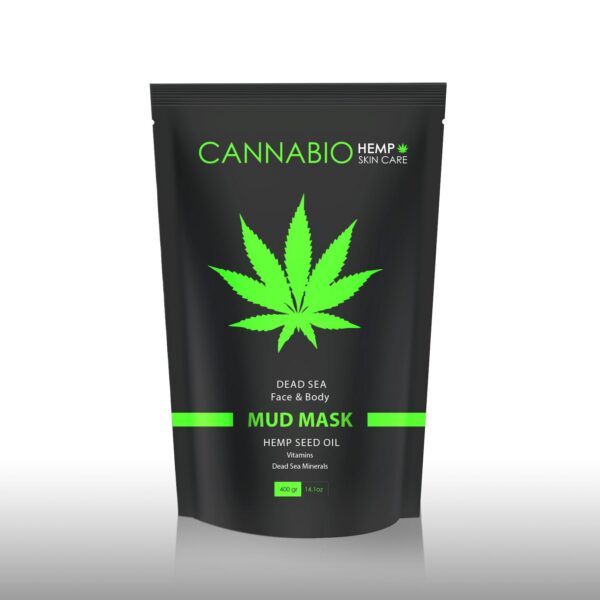
Oily or congested skin generally responds best to mineral mud, since its whole role is drawing out excess oil rather than adding moisture. The Cannabio Dead Sea Mud Mask for Face & Body (400 ml, $14) fits that need well, combining Dead Sea mud with Hemp seed oil to cleanse and purify while aiming for a more revitalized complexion.
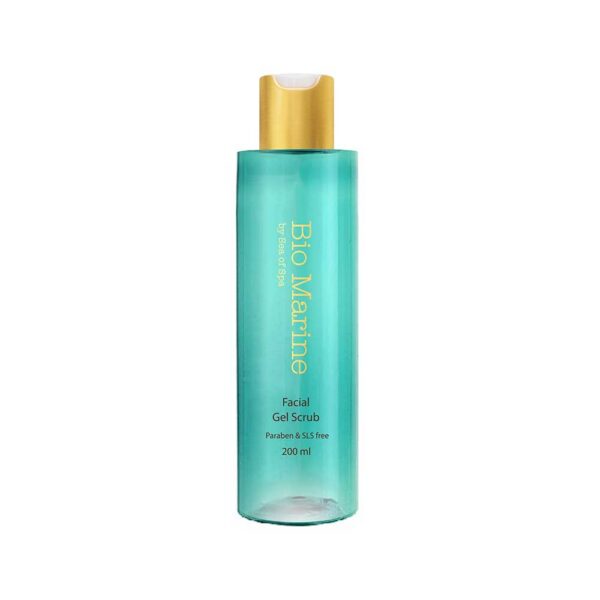
Drier or more sensitive skin, or skin that cares more about texture than oil, tends to suit gentler peeling or collagen-based masks better. The Bio Marine Facial Scrub Gel (200 ml, $10) is a lighter option here, a facial peeling gel formulated without parabens, SLS, or artificial colors, meant to be massaged gently in circles on wet skin before rinsing off.
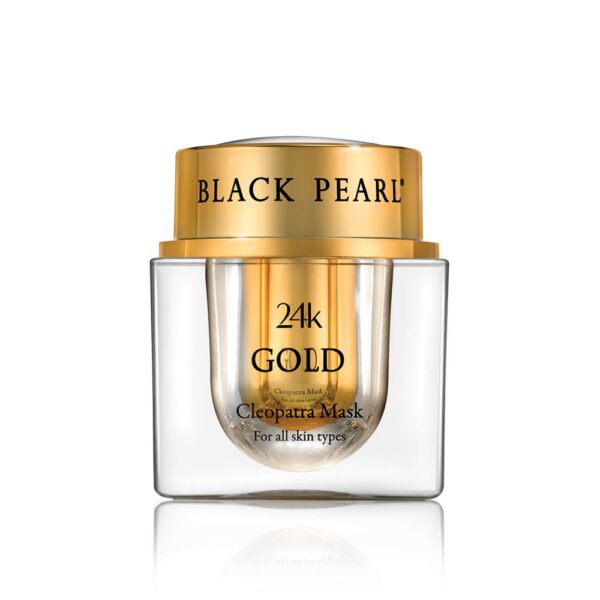
At the premium end, the 24K Cleopatra Gold Mask ($666) combines 24K gold with Dead Sea black mud, positioning itself as both a mineral-based purifier and a nourishing treatment enriched with vitamins and plant extracts. Price doesn’t change the underlying logic here — it still functions primarily as a mud-based mask, just dressed up with luxury ingredients.
How Often Should You Use Each Mask?
Mud masks are typically used less often than gentler face masks, since their drawing action can be more intense on skin. A couple of times a week is a common starting point for oily or congested skin, while drier skin may do better sticking to once a week.
Peeling and collagen masks, being gentler overall, can usually be worked into a routine a bit more flexibly, depending on how your skin responds. Whichever mask you use, moisturizing afterward matters. Mud and peeling formulas can leave skin temporarily tighter or more prone to dryness, so a hydrating cream afterward helps keep things balanced.
Can You Use Both in the Same Routine?
Yes — alternating between mud masks and other face masks is a practical approach, not a conflict. A mud mask like the Sea of Spa Dead Sea Mineral Mud ($10) can handle oil control once or twice a week, while a gentler option like the Bio Marine Gentle Peeling Mask ($21) can be used on alternating days to focus on texture and smoothness.
This kind of rotation lets each format do the job it’s actually built for, instead of expecting one mask to purify, exfoliate, and hydrate all at once. Save the mud mask for pore concerns and oil control, and lean on peeling or collagen masks when smoother, more refined-looking texture is the goal.
Choosing the Right Mask for You
Start with the skin concern, not the format: oily or congested skin points toward mud, while texture or dullness points toward a peeling or collagen mask. Budget-friendly mud options like the BioSpa Mineral Mud ($3) make it easy to test the category before you consider pricier hybrid or gold-infused versions. Whichever mask you pick, always follow up with a moisturizer so skin doesn’t feel stripped.
Shop this guide
-
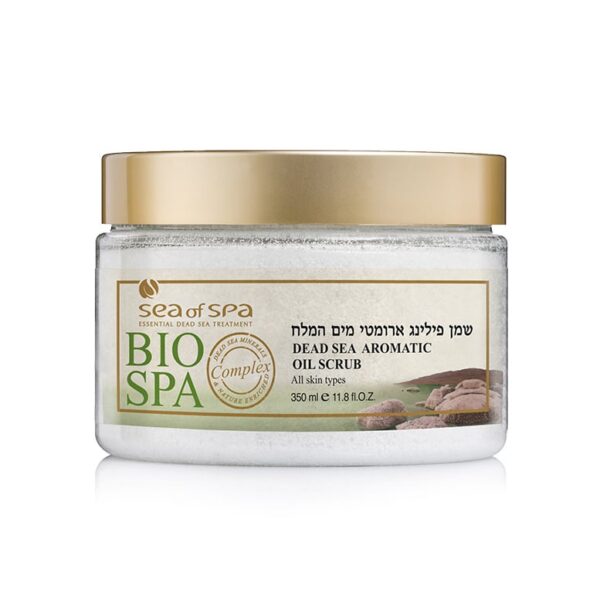 Bio Spa Aromatic Peeling Oil with Dead Sea Salt $10Select options This product has multiple variants. The options may be chosen on the product page
 -
-
-
-
-
-
-
-
-
-
-


Frequently asked questions
What's the difference between a mud mask and a face mask?
A mud mask is a type of face mask focused on purifying with minerals; other face masks (hydrating or peel-off) target moisture or surface texture instead.
Which mask is better for oily skin?
A Dead Sea mud mask suits oily or congested skin well, since it helps draw out impurities. Drier skin often prefers a hydrating mask.
How often should I use a face mask?
Once or twice a week suits most people. Follow any mask with a moisturizer, especially after a purifying mud mask.
Can I use different masks on different days?
Yes — many people alternate a purifying mud mask with a hydrating mask depending on how their skin feels.