
Shampoo vs Conditioner: What Each One Does
Shampoo versus conditioner is one of those daily pairings most people use without ever thinking about why both exist. Shampoo’s job is cleansing the scalp and hair of oil, sweat, and product buildup. Conditioner comes after, softening and detangling the lengths and ends that shampoo can leave feeling rough. Most hair benefits from both steps, though which formula you reach for depends a lot on whether your hair is dry, color-treated, or just needs everyday upkeep.
What Does Shampoo Actually Do?
Shampoo is built to cleanse, lifting oil and buildup off the scalp so hair doesn’t look weighed down or greasy. Since the scalp produces oil every day, this is the step that keeps hair looking fresh, not the step responsible for softness or shine. Different shampoo formulas tackle that cleansing job in slightly different ways depending on hair type.
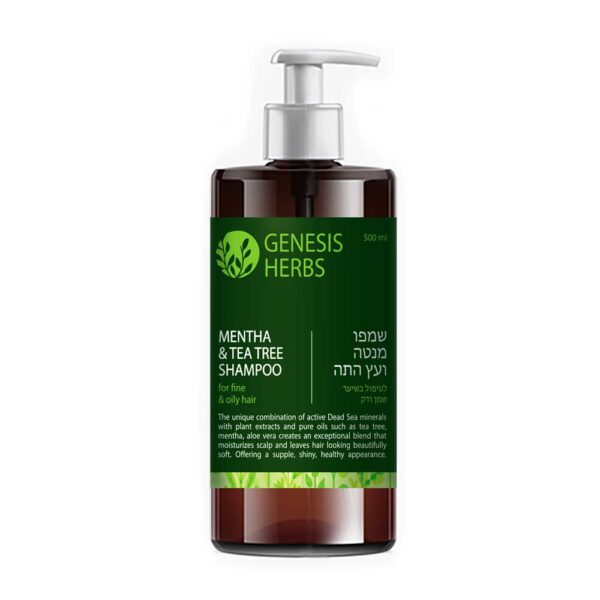
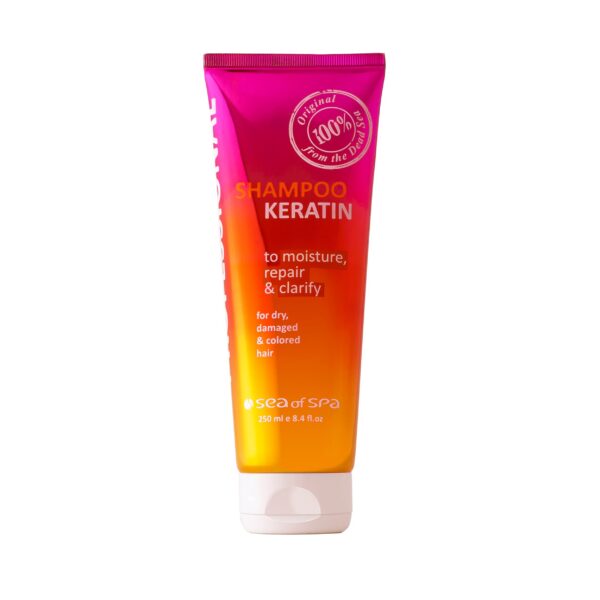
The Bio Spa Enriched Shampoo with Dead Sea Minerals ($6) uses Dead Sea minerals and plant extracts to cleanse thoroughly while aiming to leave hair feeling soft and flexible. For scalp-focused cleansing, the Mint and Tea Tree Shampoo ($38) combines Dead Sea minerals with tea tree, mint, and aloe, aiming to moisturize the scalp while leaving hair looking soft and full. Formulas built for compromised hair, like the Sea of Spa – Keratin Shampoo – 250 ml ($14), are made for dry, damaged, or color-treated hair, aiming to cleanse gently while potentially supporting follicle strength.
What Does Conditioner Actually Do?
Conditioner picks up where shampoo leaves off, focusing on the mid-lengths and ends rather than the scalp. Its job is softening strands, cutting down on tangles, and helping hair look shinier and more manageable, especially once cleansing has stripped away natural oils. That’s why conditioner goes on mainly away from the roots.
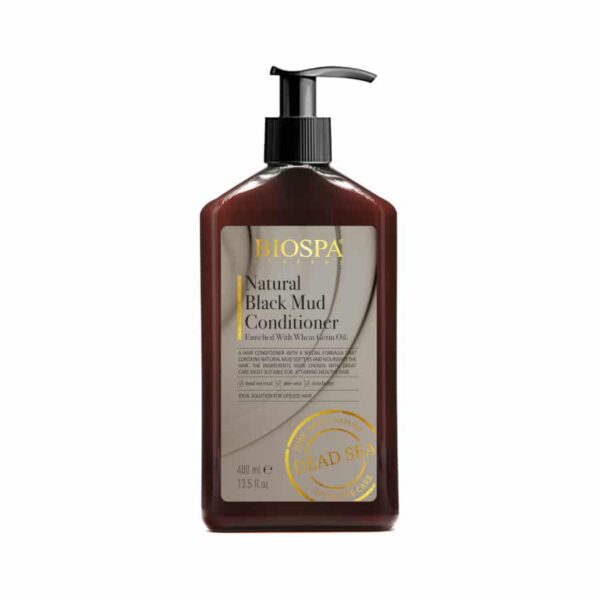
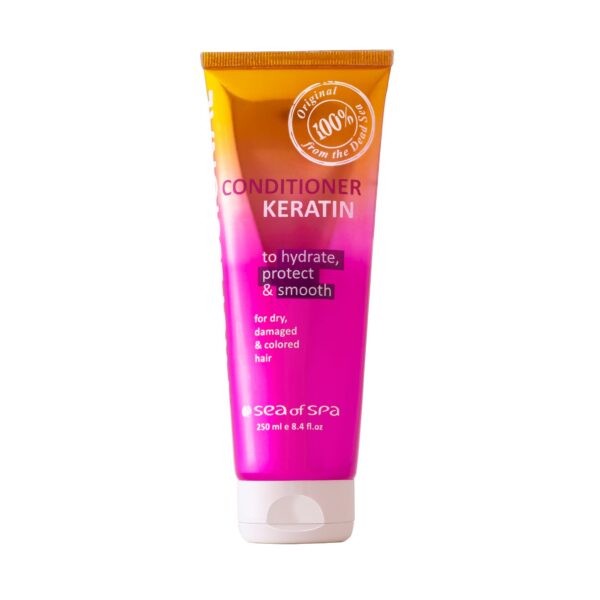
The Sea of Spa – Keratin Conditioner – 250 ml ($14) is made for daily use on dry, damaged, and color-treated hair, aiming to provide essential nourishment and moisture. The BioSpa Black Mud Conditioner for Dry, Damaged & Colored Hair ($10), a 400 ml formula with wheat germ, helps soften and nourish hair that’s already under stress from color or heat. For lighter daily use, the CANNABIO Conditioner with Hemp Seed Oil & Argan Oil – 400 ml ($14) aims to balance the scalp while contributing to softer, shinier-looking hair.
Shampoo vs Conditioner: Do You Need Both?
For most hair types, yes. Shampoo versus conditioner isn’t really a competition, since they address opposite ends of the same problem: shampoo cleans, conditioner softens whatever cleaning leaves rough. Skip conditioner after shampooing and hair often ends up feeling stripped, especially with formulas built for dry or color-treated hair, where the cleansing step naturally runs a bit more intense.
It’s tempting to assume a good shampoo alone should cover it, but shampoo and conditioner aren’t formulated to do each other’s job. A shampoo built to lift oil and buildup isn’t meant to leave a softening layer behind, and a conditioner isn’t built to cleanse. That’s exactly why so many lines sell them as matched pairs rather than one all-in-one product.
What’s the Right Order to Use Them?
Shampoo always comes first, conditioner follows. Washing with shampoo removes buildup so the scalp and hair are genuinely clean, and applying conditioner afterward means it’s working on clean hair instead of getting layered under oil and residue.
- Step 1: Apply shampoo to the scalp and work it through to cleanse thoroughly.
- Step 2: Rinse it out fully before applying conditioner.
- Step 3: Focus conditioner on the mid-lengths and ends, not the scalp.
- Step 4: Rinse according to the product’s instructions before you style.
Choosing for Dry, Damaged, or Color-Treated Hair
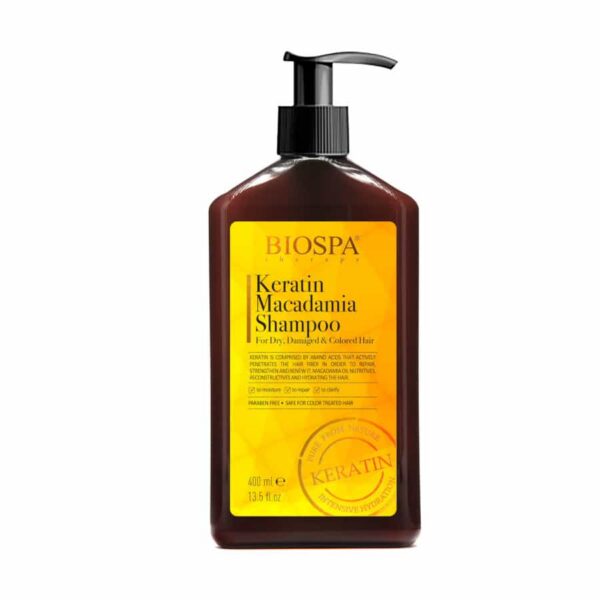
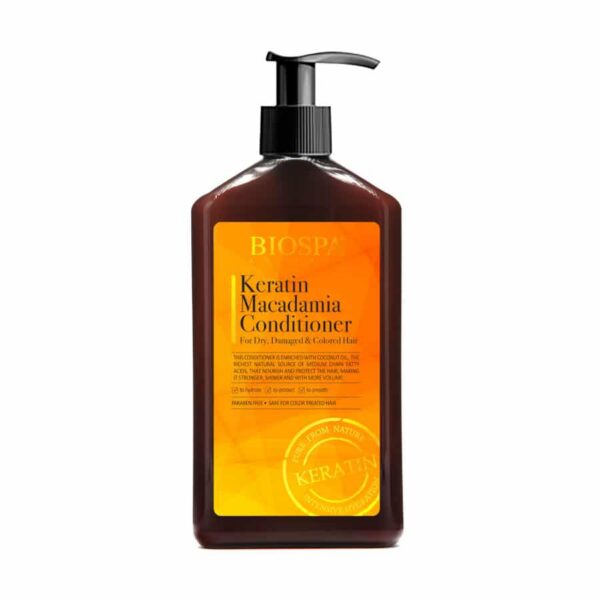
Hair that’s dry, damaged, or color-treated generally needs gentler cleansing and richer conditioning than everyday hair, which is why so many formulas are built for exactly that combination. The BIOSPA Keratin & Macadamia Shampoo ($10) and its matching BioSpa Keratin & Macadamia Conditioner (400 ml) ($10) are both built for dry, damaged, or color-treated hair, using keratin and macadamia oil to address stressed strands at both ends of the routine.
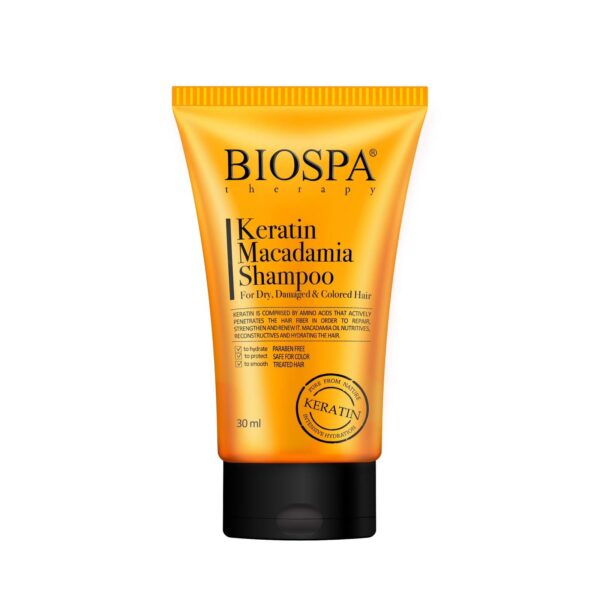
Hair that’s been through heat styling or straightening often shows the biggest difference when shampoo and conditioner are matched rather than mixed from unrelated lines. The Keratin & Macadamia Shampoo – 30 ml ($51) is a travel-size, salt-free formula built specifically to care for hair after straightening or heat styling, making it a handy companion for anyone already running a fuller-size keratin routine at home.
Matched Shampoo and Conditioner Pairs to Compare
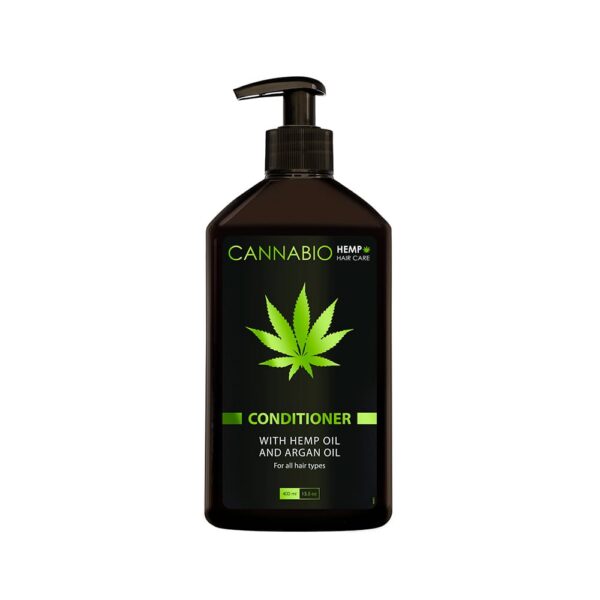
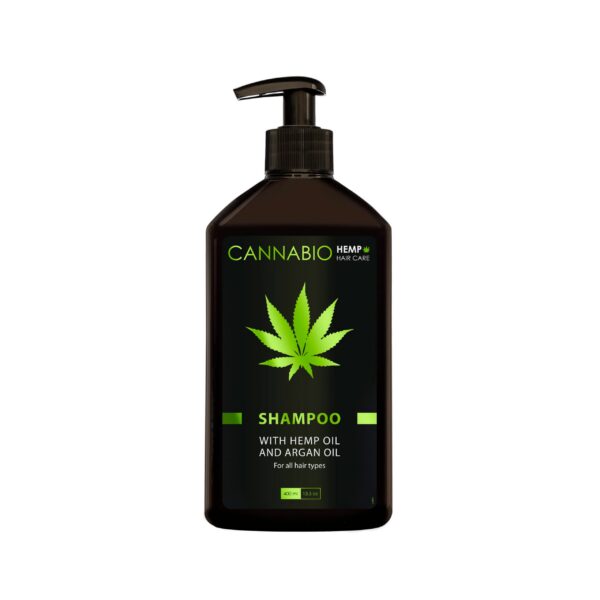
Buying shampoo and conditioner from the same line is a simple way to keep formulas consistent, since they’re typically built to work together. The CANNABIO Shampoo with Hemp Oil and Argan Oil – 400 ml ($14) pairs naturally with the CANNABIO Conditioner with Hemp Seed Oil & Argan Oil – 400 ml ($14), both leaning on hemp and argan oils for a gentle, scalp-balancing routine.
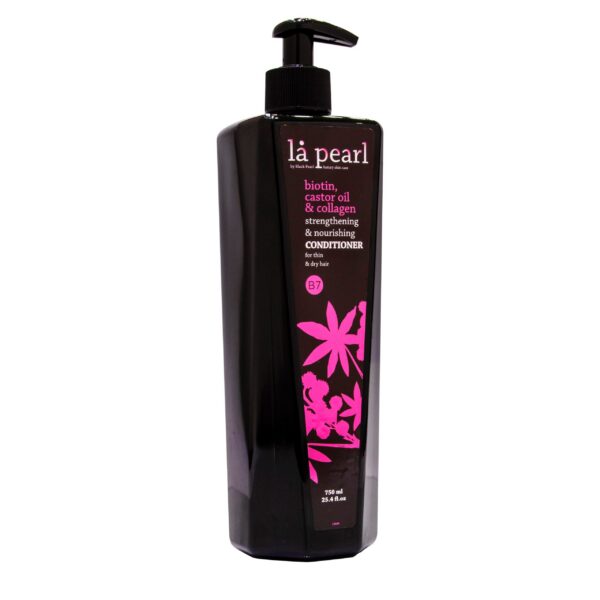
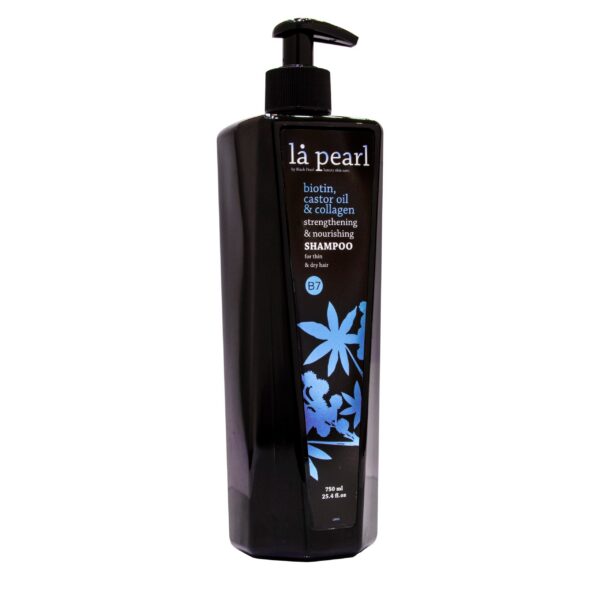
For thin, dry hair that needs a fuller routine, the La Pearl Shampoo with Biotin, Castor Oil & Collagen (750 ml) ($68) and the La Pearl Strengthening & Nourishing Conditioner ($68) form a matched 750 ml pair, both aiming to strengthen hair and support a healthy-looking shine. Whichever pair you go with, shampoo versus conditioner works best not as a choice between the two, but as two steps used together — cleansing first, softening second.
Shop this guide
-
-
-
-
-
-
-
-
-
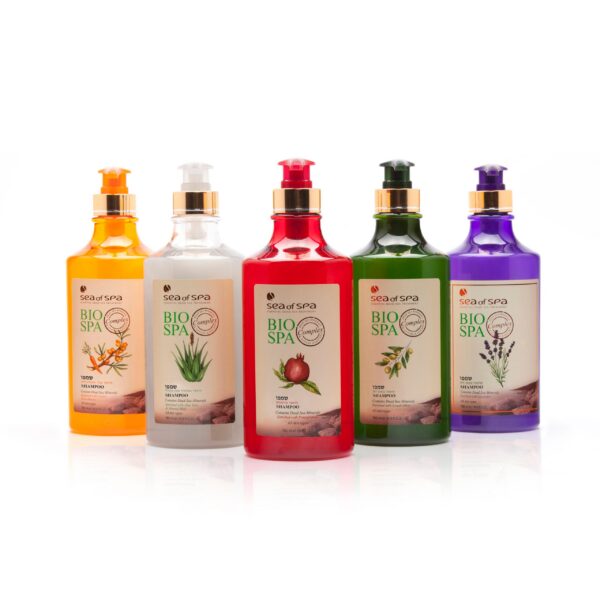 Bio Spa Bio Spa Enriched Shampoo with Dead Sea Minerals $6Select options This product has multiple variants. The options may be chosen on the product page
 -
-
-


Frequently asked questions
Do I need both shampoo and conditioner?
Most hair benefits from both — shampoo cleanses the scalp and roots, while conditioner softens and detangles the lengths and ends.
What order do I use them in?
Shampoo first to cleanse, rinse, then apply conditioner mainly to the mid-lengths and ends, leave briefly, and rinse.
Can I skip conditioner if I have oily hair?
You can condition just the ends to avoid weighing roots down, but skipping it entirely can leave lengths dry and harder to manage.
Should I use matching shampoo and conditioner?
It's not required, but pairing formulas designed for the same need — such as color-treated or dry hair — tends to give the most consistent result.