
Dead Sea Salt: Benefits and Products
Dead Sea salt, in one honest sentence
Dead Sea salt earns its spot in skincare mostly because of what it’s not: it isn’t just sodium chloride like the salt in your kitchen. Ordinary table salt runs about 97 percent sodium chloride, but pull salt from the Dead Sea and you get something else entirely, a mix unusually heavy in magnesium, calcium, potassium and bromide. People have been soaking in that water for thousands of years because of this mineral makeup, and it’s why a scrub or soak made with it feels noticeably different on rough, tired skin than an ordinary sea-salt product.
Short version, if you’re skimming: Dead Sea salt gently exfoliates, helps the skin barrier hold up, and calms skin that’s gone dry, rough or flaky. Keep reading for the longer story, plus which Ashury products actually contain it and how to use them without overdoing it.
Why the mineral profile matters
Here’s the part most people skip past: salt isn’t just salt. What sets Dead Sea salt apart is how much magnesium it carries, and magnesium happens to be one of the minerals your skin barrier needs to hold onto water and stay comfortable. Calcium has a hand in how the outer layer renews itself, potassium helps balance hydration, and bromide has long been considered calming for skin.
None of that turns Dead Sea salt into medicine, it isn’t one. It just means that when you dissolve this salt in warm water, or rub it into skin as a scrub, you’re getting a dose of minerals alongside the physical scrubbing action of the crystals themselves. That combination of mechanical exfoliation and a mineral-rich base is really what people are chasing.
The balneotherapy tradition
Soaking in mineral-heavy water for skin comfort even has its own name, balneotherapy, and the Dead Sea is its most famous location. Generations of people have travelled to its shores because the water and mud leave rough skin feeling softer and calmer afterward. That’s tradition and lived experience, not a clinical cure, and it’s worth keeping those two things separate.
What Dead Sea salt actually does for skin
It comes down to three things, mostly.
- It exfoliates. Salt crystals lift dull, dead cells off the surface, so a salt scrub can leave skin feeling smoother almost right away.
- It supports the barrier. Magnesium and the other minerals help skin hang onto moisture, which is why well-made products pair the salt with oils instead of leaving skin stripped.
- It soothes. Rough patches, heels, elbows, the usual suspects, tend to feel calmer and more comfortable with regular use.
Notice what’s missing there. Dead Sea salt doesn’t cure psoriasis, eczema or any other skin disease. Plenty of people with sensitive or condition-prone skin do find mineral soaks comforting, and that’s real, but comfort isn’t a cure, and anyone managing a diagnosed condition should still talk to a dermatologist about what belongs in their routine.
Who tends to benefit
Dry skin, rough texture on the arms or legs, feet that crack every winter, or you just enjoy a proper soak, this ingredient is built for you. Oilier skin can still enjoy a body scrub, just maybe not as often. The one group that should ease in slowly is very reactive or broken skin, which is exactly what the safety notes below are for.
How Ashury puts Dead Sea salt to work
Across the Ashury range, Dead Sea salt and its minerals turn up in scrubs, masks, creams and washes. Here’s what’s worth knowing, and everything ships worldwide.
Start with a scrub
The Aromatic Peeling Oil with Dead Sea Salt ($10) is the most direct way to feel the salt itself at work. It blends natural Dead Sea salt with active minerals and pure oils, so it sloughs away dead cells while the oils stop skin from feeling stripped afterward. Use it on damp skin in the shower and you’ll notice the difference on rough spots immediately.
For dry, rough, hard-working skin
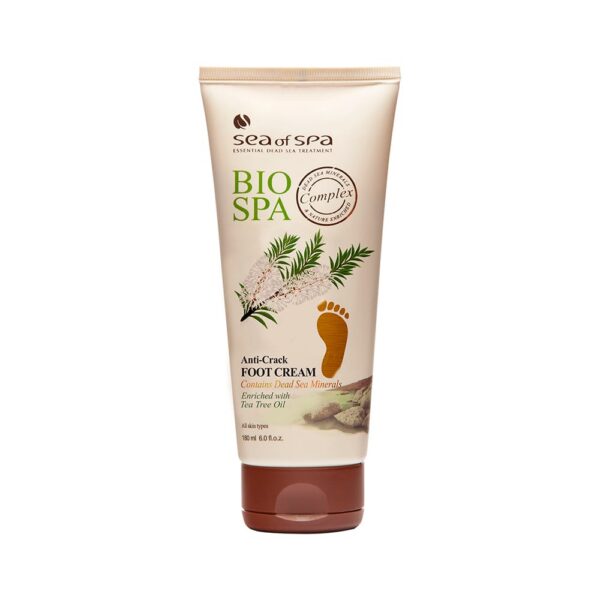
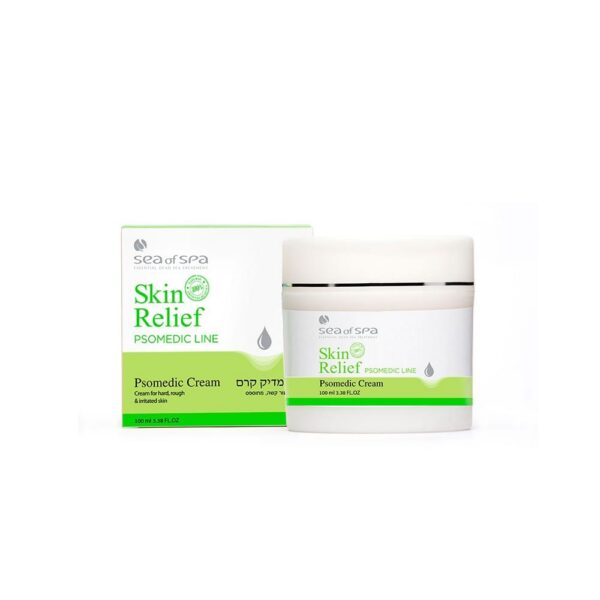
Feet take a beating, and the Bio Spa Anti-Crack Foot Cream – 180 ml ($14) is built for the worst of it, combining Dead Sea minerals with tea tree oil to soothe and moisturise even badly cracked heels, with the side benefit of helping neutralise odour. For rough or irritated skin elsewhere on the body, the Psomedic Skin Relief Cream – 100 ml ($11) pairs propolis and honey with Dead Sea minerals to add moisture and a softer look.
Facial care
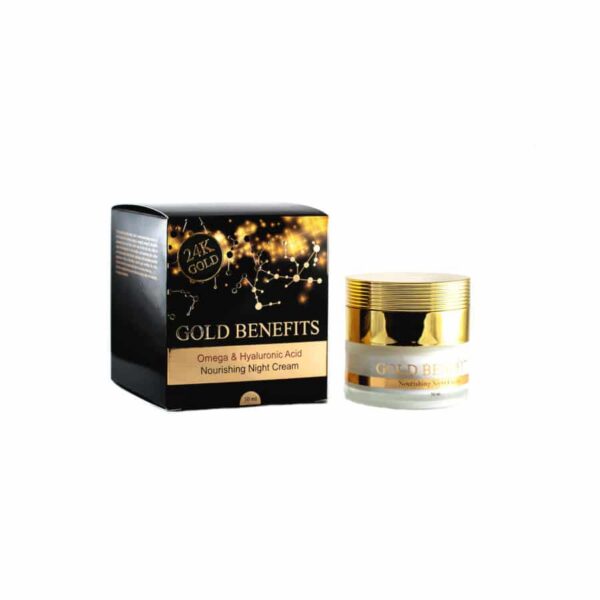
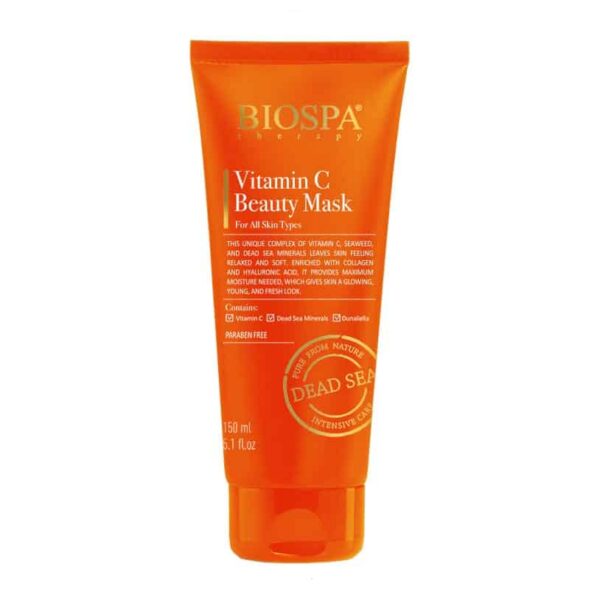
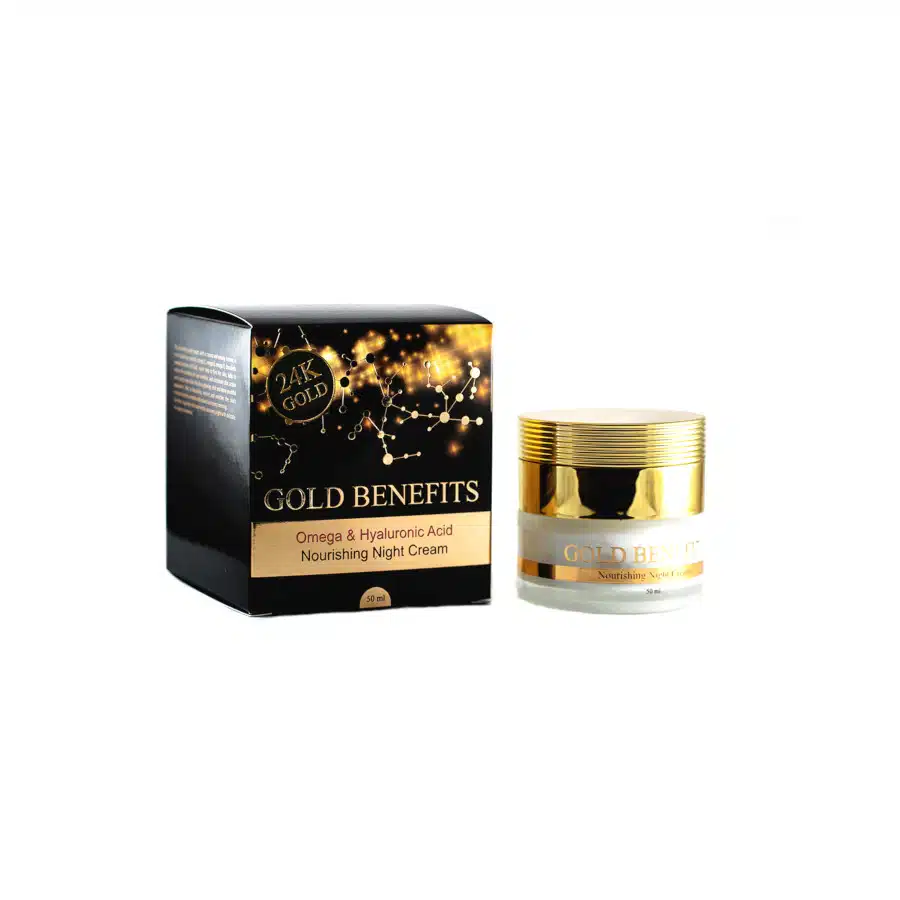
On the face, the minerals show up in lighter, gentler formats. The Biospa Enriched Beauty Mask with Vitamin C ($10) is a 150 ml mask pairing vitamin C with Dead Sea minerals to add moisture and leave the complexion feeling calmer. For overnight use, the Gold Benefits Nourishing Night Cream ($24) is a richer 50 ml cream blending Dead Sea minerals with omegas and gold, massage a little in before bed and let it work while you sleep.
In the shower and beyond
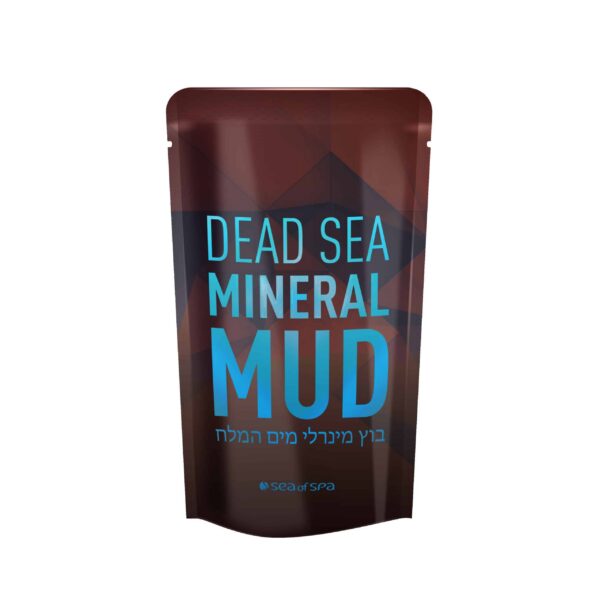
Prefer to get your minerals in as an everyday step? The Bio Spa Nourishing Body Wash ($11) folds Dead Sea minerals and plant extracts into a 780 ml cleanse meant to leave skin feeling balanced instead of tight. And for something closer to the source, the Sea of Spa – Dead Sea Mineral Mud (600 ml) ($10) is natural mineral mud that cleanses and purifies, and can even be warmed to soothe tired joints, about as close to bottling the Dead Sea shoreline as a product gets.
How to use it safely
A few small habits keep this pleasant instead of prickly.
- Patch test first. Try a new scrub or cream on a small area, the inner forearm works well, and wait a day before going all in.
- Avoid broken skin. Salt stings on an open cut, a fresh shave nick, or raw, cracked skin, and it can irritate further. Let those areas heal first.
- Don’t over-scrub. Two or three times a week is plenty for most people, daily exfoliation tends to leave skin raw rather than smooth.
- Follow with moisture. Exfoliating opens the door for hydration, so lock it in with a cream or oil while skin is still a little damp.
- Keep it away from your eyes. Obvious, maybe, but a salty rinse in the eyes is nobody’s idea of a spa day.
Myth vs fact
| The claim | The reality |
|---|---|
| Dead Sea salt is basically fancy table salt | Not really, table salt is almost all sodium chloride, while Dead Sea salt is loaded with magnesium, calcium, potassium and bromide instead. |
| It cures skin conditions | No. It can soothe rough, dry skin, but it treats no disease, see a dermatologist for anything diagnosed. |
| More scrubbing means better results | The opposite, actually. Gentle, regular use beats aggressive daily scrubbing, which just irritates skin. |
| Salt dries skin out | Plain salt can. Well-made products balance it with oils and minerals so skin ends up softer, not stripped. |
Dead Sea salt was never magic. It’s a genuinely mineral-rich salt used thoughtfully, the right amount of oil, the right frequency. Get that balance right and rough skin simply feels better.
That’s the whole story: rich minerals, gentle exfoliation, real soothing comfort, and none of the overblown promises. Whether you start with a $10 scrub or work up to the night cream, Dead Sea salt is one of the easiest ingredients to fold into a routine and actually feel working.
Shop this guide
-
-
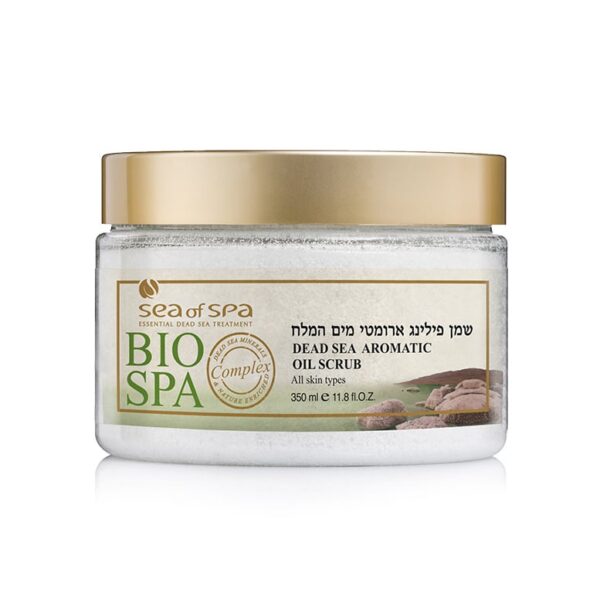 Bio Spa Aromatic Peeling Oil with Dead Sea Salt $10Select options This product has multiple variants. The options may be chosen on the product page
 -
-
-
-
-
-
-
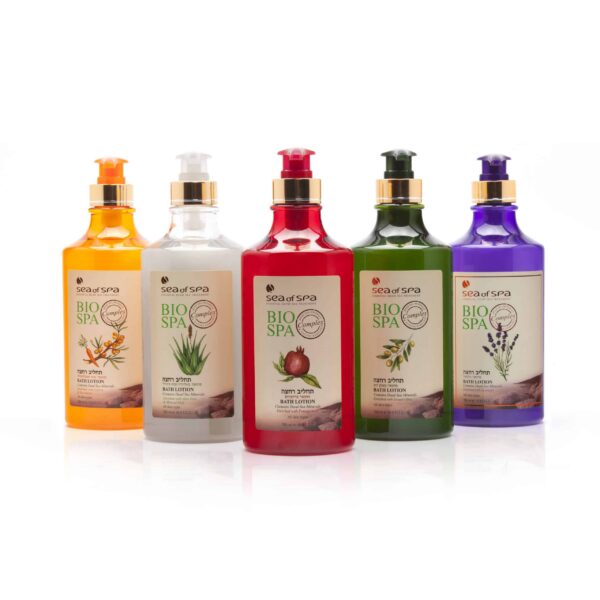 Bio Spa Bio Spa Nourishing Body Wash $11Select options This product has multiple variants. The options may be chosen on the product page
 -
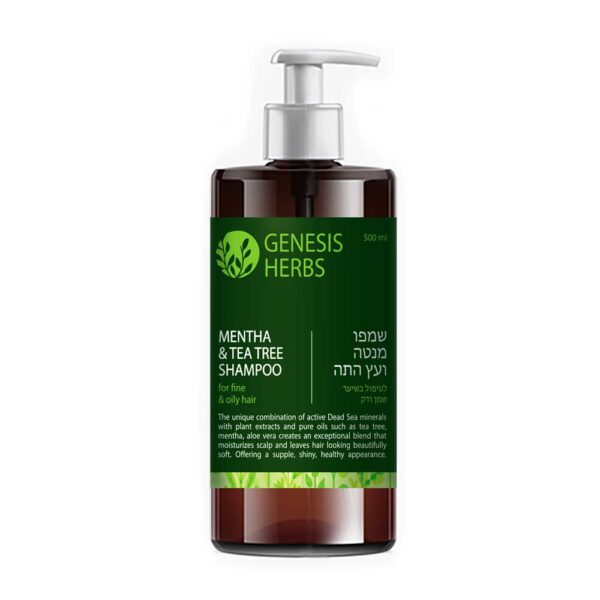
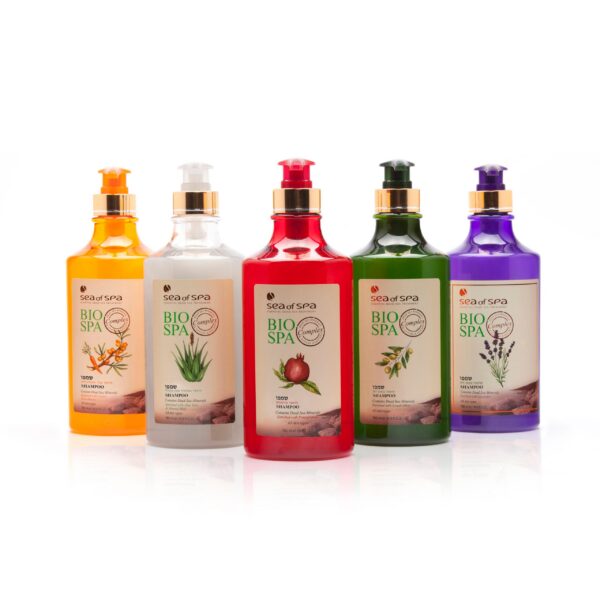 Bio Spa Bio Spa Enriched Shampoo with Dead Sea Minerals $6Select options This product has multiple variants. The options may be chosen on the product page
 -
-


Frequently asked questions
What minerals are in Dead Sea salt?
It is unusually rich in magnesium, calcium, potassium and bromide — a very different profile from ordinary table or sea salt.
Is Dead Sea salt good for the skin?
Its minerals support the skin barrier and help soothe rough, flaky skin, which is why it is a staple of spa and body-care rituals.