
Dead Sea Salt vs Epsom Salt: What’s the Difference?
Short version: if you’re comparing Dead Sea salt vs Epsom salt, the difference comes down to how many minerals you’re actually getting. Epsom salt is one compound, magnesium sulfate, dissolved in warm water for a simple soak. Dead Sea salt is a wider blend pulled from an actual sea, carrying magnesium alongside calcium, potassium and bromide. Both dissolve in a bath. Only one of them also shows up in scrubs, foot treatments and body washes the way Ashury’s Bio Spa and Sea of Spa lines use it.
What Epsom Salt Actually Is
Epsom salt gets its name from a town in England, not from any sea. Chemically it’s magnesium sulfate, a single mineral compound that happens to form crystals resembling table salt. People have tossed it into bathwater for generations as a relaxing evening ritual. It’s cheap, widely available at any pharmacy, and does exactly one job well: it dissolves and delivers magnesium to the water you’re soaking in. That’s the whole ingredient list. No calcium, no potassium, no trace minerals riding along.
There’s nothing wrong with that simplicity. Sometimes you want one thing done plainly. But it does mean Epsom salt stays mostly confined to the bathtub. You won’t find it built into a body wash or a foot cream in quite the same way, because the formula doesn’t bring much else to the table beyond the soak itself.
What Dead Sea Salt Actually Is
Dead Sea salt is harvested from the Dead Sea, a landlocked lake between Israel and Jordan with a mineral concentration far higher than any ordinary sea. Instead of one compound, you get a natural mix: magnesium, calcium, potassium and bromide all present together, in proportions no lab really replicates from scratch. That mix is why Dead Sea salt ended up woven into far more than bath crystals. Ashury’s BioSpa Crystal Bath Salt is built for the tub, sure, but the same mineral base turns up in the Aromatic Peeling Oil with Dead Sea Salt, a scrub meant to buff away dead skin while the minerals and pure oils do their part, and in the Bio Spa-Mineral Salt Crystals – 1000 gr, a larger format for people who go through bath salt fast.
The feel is richer, almost silty, compared to Epsom’s clean dissolve. That’s the calcium and bromide doing something Epsom salt simply can’t, because Epsom salt doesn’t have them.
Dead Sea Salt vs Epsom Salt: Mineral Content Side by Side
Line them up and the contrast is stark:
- Epsom salt: magnesium sulfate only, one mineral, one job.
- Dead Sea salt: magnesium, calcium, potassium and bromide together, a genuinely mixed mineral profile.
- Epsom salt is manufactured or mined inland; Dead Sea salt is harvested from actual seawater at one specific location on earth.
- Epsom salt mostly stays in the bath; Dead Sea salt shows up in scrubs, foot soaks, washes and creams too.
Neither one is a medicine, plainly put. A warm soak with either salt is a comfort ritual, not a treatment for any skin condition or disease, and nothing here should be read as a clinical claim.
Which One Feels Different in the Tub
Epsom salt dissolves fast and leaves water feeling clean and almost weightless. Dead Sea salt takes a beat longer to melt, especially in a coarser crystal form, and the water tends to feel a little denser once it’s in. Some people notice their skin feels smoother stepping out of a Dead Sea salt bath specifically because of that broader mineral mix; magnesium alone from Epsom salt gives you the relaxation part without quite the same finish.
If you’ve only ever used Epsom salt, the first Dead Sea soak can feel like a genuinely different product, not just a fancier version of the same thing.
How to Choose Between Them
This isn’t really an either-or decision for most people. Here’s how to think about it:
- Want the cheapest, simplest soak with no fuss? Epsom salt does that job fine.
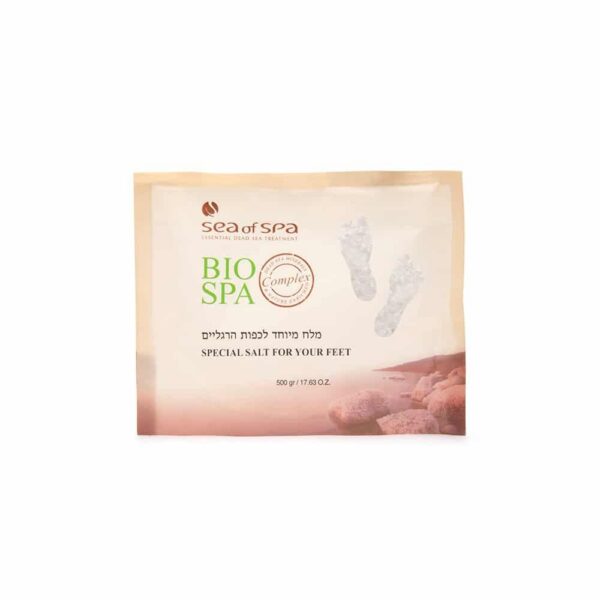
- Want a soak that pairs with a wider skincare routine, from scrub to foot cream? Dead Sea salt is built for that, and Ashury’s BioSpa Special Foot Salt – 500 g is a good example of the mineral base extending into a specific-use product.
- Sensitive skin? Patch test either one first. Concentrated mineral water can sting on broken or irritated skin regardless of the source.
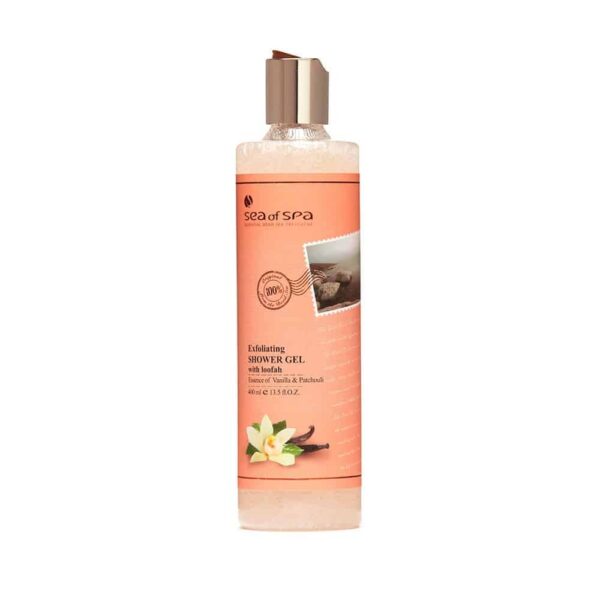
- Want variety beyond the bath? Look toward products like the Sea of Spa Exfoliating Body Wash – Vanilla & Patchouli – 400 ml, which carries Dead Sea minerals into a daily shower routine rather than an occasional soak.
How to Use Either Salt Safely
The steps barely change between the two. Fill the tub with warm, not hot, water. Add a generous handful of salt and swirl until it’s fully dissolved before getting in. Soak for fifteen to twenty minutes; longer isn’t automatically better and can leave skin feeling drier rather than softer. Rinse off with clean water afterward, then moisturize while skin is still slightly damp. Salt soaks of any kind can be drying if you skip that last step, so don’t.
A quick patch test on a small area is worth doing the first time you try a new product, especially if you know your skin reacts easily to anything.
Common mistakes people make
The most common one is soaking too long in water that’s too hot, which strips more than it soothes. The second is skipping the rinse and moisturizer step entirely, then wondering why skin feels tight the next morning. The third is assuming more salt automatically means a better soak. It doesn’t. A generous handful is plenty; doubling it mostly wastes product.
Bringing the Two Together
Nothing stops you from keeping both in the cabinet. Some people use Epsom salt for a quick, plain soak on a weeknight and reach for Dead Sea salt, or a scrub built around it, when they want the fuller ritual on a weekend. Honestly, if you’re only going to buy one, Dead Sea salt gives you more to work with beyond the bathtub, since the same minerals turn up in Ashury’s scrubs, foot salts and washes rather than staying locked to one use.
For a first purchase, the BioSpa Crystal Bath Salt is a straightforward entry point, and pairing it with the Aromatic Peeling Oil with Dead Sea Salt covers both the soak and the exfoliation side without overcomplicating things. None of these carry star ratings yet since they’re newer additions to the line, so judge them on the formulation rather than a review count. Whichever salt you land on, the after-bath routine, rinse, then moisturize, matters more than which mineral blend you chose.
Quick Answers
Is Dead Sea salt better than Epsom salt?
They’re different rather than one being strictly better. Epsom salt is magnesium sulfate, good for a straightforward relaxing soak. Dead Sea salt brings a wider blend of magnesium, calcium, potassium and bromide, which is why it’s used more broadly across skin and body care. Neither is a medical treatment.
Can I use Dead Sea salt in the bath like Epsom salt?
Yes. Dissolve it in warm water the same way, soak, rinse, then moisturize afterward. Skipping the rinse and moisturizer is the main reason a salt soak leaves skin feeling dry.
Shop this guide
-
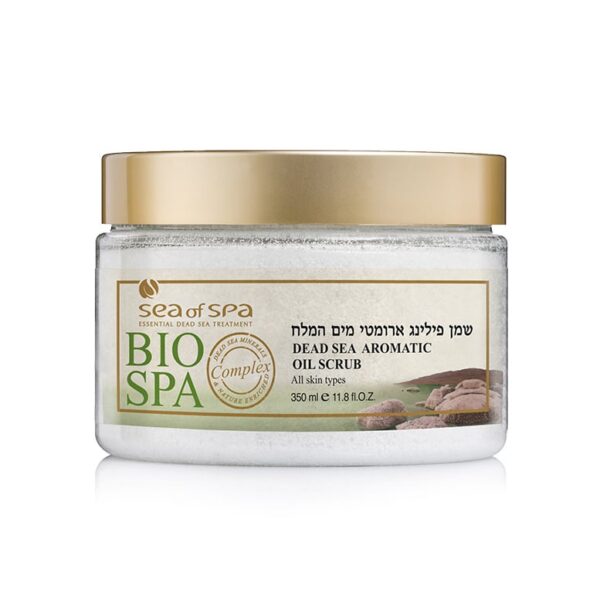 Bio Spa Aromatic Peeling Oil with Dead Sea Salt $10Select options This product has multiple variants. The options may be chosen on the product page
 -
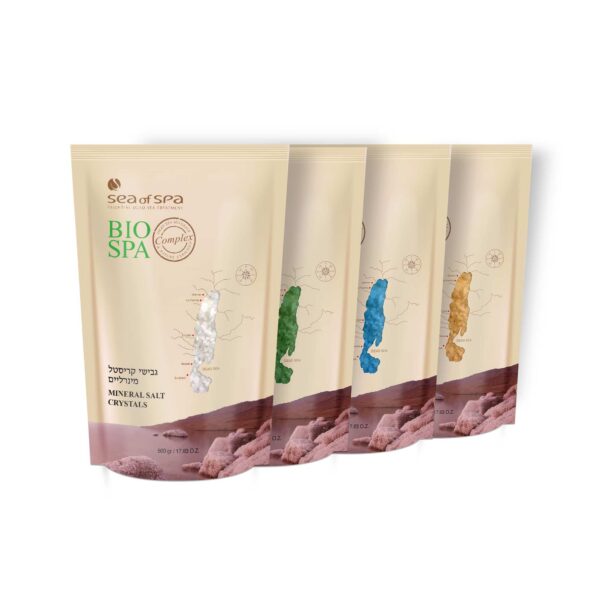 Bio Spa BioSpa Crystal Bath Salt $4Select options This product has multiple variants. The options may be chosen on the product page
 -
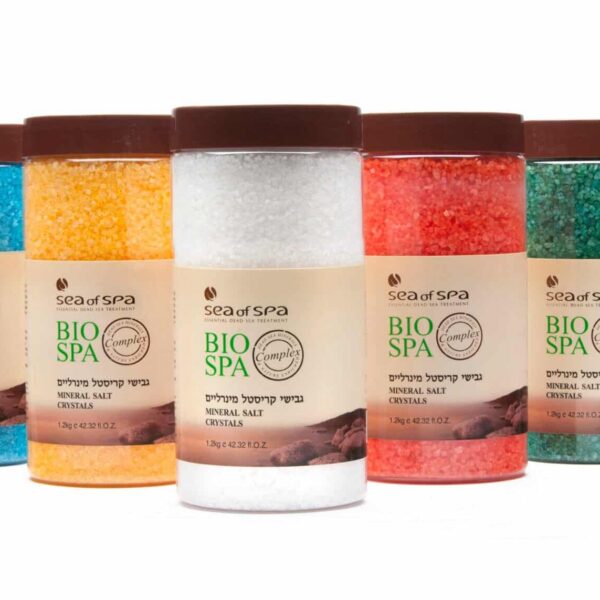 Bio Spa Bio Spa-Mineral Salt Crystals - 1000 gr $10Select options This product has multiple variants. The options may be chosen on the product page
 -
-
-
-
-
-


Frequently asked questions
Is Dead Sea salt better than Epsom salt?
They are different. Epsom salt is magnesium sulfate, prized for a relaxing soak; Dead Sea salt is a broader mix of magnesium, calcium, potassium and bromide, valued in skin and body care. Neither is a medical treatment.
Can I use Dead Sea salt in the bath like Epsom salt?
Yes — dissolve it in warm water for a mineral soak. Rinse afterwards and moisturize, since salt soaks can be drying if you skip that step.