
What Is Dead Sea Salt?
So, what is Dead Sea salt, exactly? It’s the mineral crystal left over when water from the Dead Sea — a landlocked salt lake between Israel and Jordan — evaporates or gets processed for its concentrated minerals. Unlike ordinary table salt, it runs low in sodium and unusually rich in magnesium, calcium, potassium and bromide. Nobody cooks with it. People soak in it, scrub with it, and build it into skincare instead, like Ashury’s BioSpa Crystal Bath Salt and the Aromatic Peeling Oil with Dead Sea Salt.
Where Dead Sea Salt Actually Comes From
The Dead Sea sits at the lowest point on the earth’s surface, fed by the Jordan River with no outlet to any ocean. Water flows in, evaporates under a hot, dry climate, and never leaves again. Over a very long stretch of time, that’s concentrated the minerals in the water far beyond anything you’d find in a regular sea. It’s genuinely one of the saltiest bodies of water on the planet, and the salt pulled from it reflects that concentration.
Because there’s nowhere else quite like it, the resulting salt isn’t something you can easily swap in from a different source. That’s part of why products built around it call it out by name rather than lumping it in as “sea salt” or “mineral salt.”
What’s Actually in It
Where table salt and ordinary sea salt lean almost entirely on sodium chloride, Dead Sea salt flips that ratio around. The standout minerals here are magnesium, calcium, potassium and bromide, working together rather than any one of them dominating. That combination is why Dead Sea salt behaves so differently on skin than a plain salt scrub would, and why it shows up across such a wide range of formats — crystal bath salts, scrubs, foot treatments, body washes and creams — instead of staying confined to one product type.
- Magnesium: the mineral most people associate with the relaxing feel of a warm soak.
- Calcium: adds to the denser, richer texture people notice compared with plain salt.
- Potassium: fills out the mineral profile alongside magnesium and calcium.
- Bromide: one more mineral the lake’s water concentrates naturally.
How Dead Sea Salt Is Used in Skincare
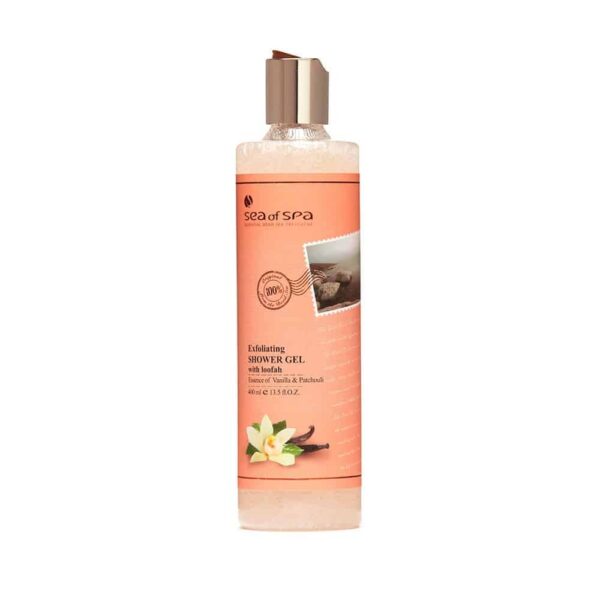
Most people run into Dead Sea salt one of two ways: dissolved into a bath, or worked into a scrub or wash. Ashury’s BioSpa Crystal Bath Salt is built for the first case — a 500g crystal salt meant to dissolve into warm water for a home soak. The Aromatic Peeling Oil with Dead Sea Salt covers the second, combining the salt with active minerals and pure oils to exfoliate and nourish skin in a single step. For something in between, the Sea of Spa Exfoliating Body Wash – Vanilla & Patchouli – 400 ml carries the same mineral base into a daily shower routine, paired with loofah fibers for gentle everyday exfoliation.
Straightforward framing here: this is cosmetic skincare — a soak or scrub that can leave skin feeling softer and more comfortable. It isn’t a medical treatment, and nothing about Dead Sea salt should be read as curing, healing, or treating any skin condition or disease.
Beyond the Bath: Other Ways It Shows Up
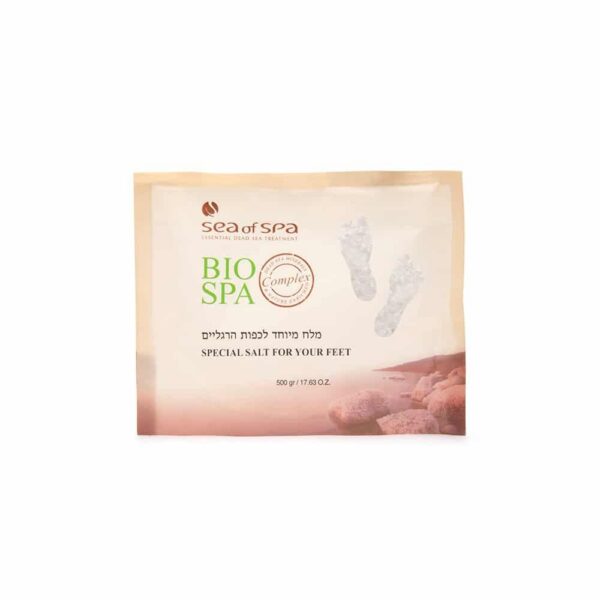
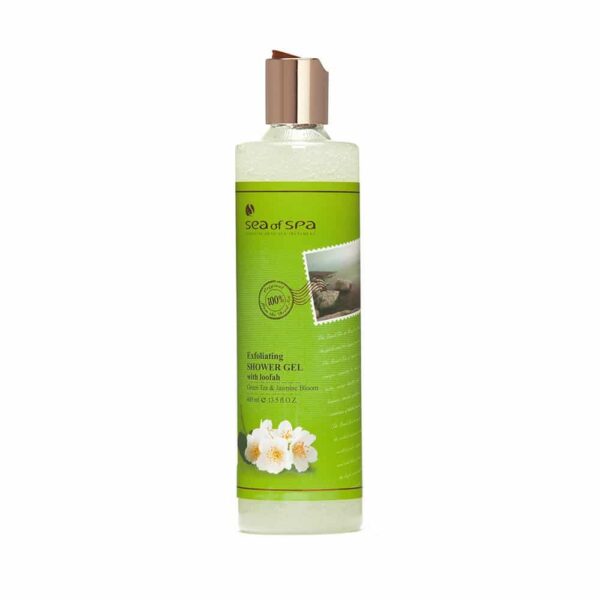
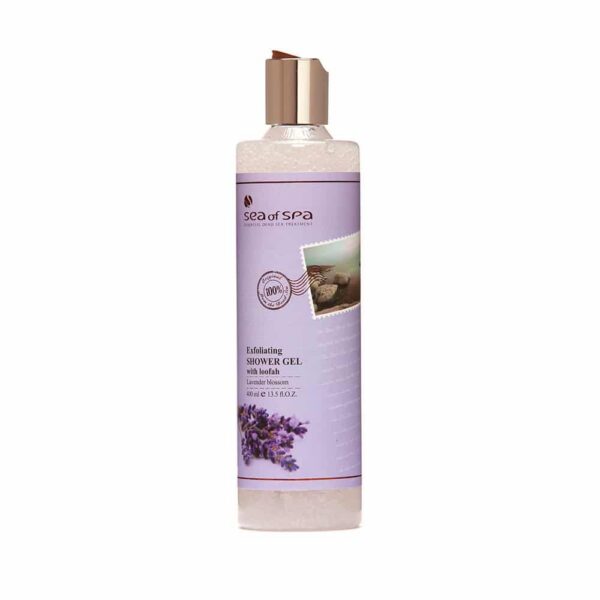
Because the mineral base works across so many textures, Dead Sea salt doesn’t stop at bath crystals. Ashury’s BioSpa Special Foot Salt – 500 g blends the same minerals with aromatic oils specifically for tired feet, meant for a foot soak rather than a full bath. Larger households or frequent bathers sometimes reach for the Bio Spa-Mineral Salt Crystals – 1000 gr, which is simply a bigger format of the same idea. And washes like the Sea of Spa Lavender Blossom Bath Gel – 400 ml or the Sea of Spa Green Tea & Jasmine Blossom Washing Lotion – 400 ml put the minerals into a shower-friendly gel, no tub required.
How to Choose a Dead Sea Salt Product
A handful of practical questions narrow this down fast:
- Do you have a bathtub, or are you shower-only? Crystal salts call for a soak; washes and gels work either way.
- Do you want to exfoliate, moisturize, or both? A peeling oil combines exfoliation with oil, while a plain crystal salt sticks to the mineral soak.
- Is there one problem area, like tired feet, or are you after a whole-body ritual? Foot-specific salts exist for exactly that reason.
- How sensitive is your skin? Unscented or lightly scented options are the safer place to start if fragrance ever bothers you.
How to Use It Properly
For a bath salt: fill the tub with warm, not hot, water, add a generous handful, and swirl until it fully dissolves before you get in. Soak for fifteen to twenty minutes. For a scrub or wash: apply to damp skin, work it in gently with circular motions, and rinse thoroughly. Either way, finish by moisturizing while skin is still a little damp. Salt-based products of any kind can dry skin out if that last step gets skipped — so don’t skip it.
A common mistake
People sometimes assume more concentrated automatically means better, and pile in far more salt than needed, or scrub harder than skin can comfortably handle. A generous handful in the bath, or a gentle pass with a scrub, is plenty. Pushing past that mostly irritates skin instead of improving anything.
Putting It All Together
At its core, Dead Sea salt is a mineral crystal from one specific lake, marked by low sodium and a rich mix of magnesium, calcium, potassium and bromide. That profile is what separates it from both table salt and ordinary sea salt, and it’s why it turns up across so many skincare formats instead of staying confined to a spice rack or a single bath product. Starting from zero, the BioSpa Crystal Bath Salt is the simplest entry point, and pairing it with the Aromatic Peeling Oil with Dead Sea Salt covers both the soak and the exfoliation side of the ritual. These particular items are newer to the lineup and don’t carry star ratings yet, so judge them on the formulation rather than a review count — and remember, the routine (rinse, then moisturize) matters just as much as which product you pick.
Quick Answers
Where does Dead Sea salt come from?
It’s harvested from the Dead Sea, a landlocked salt lake between Israel and Jordan, where extreme salinity and mineral concentration make its salt unlike any other.
What is Dead Sea salt used for?
Mineral baths and soaks, body scrubs, and general skincare — its magnesium- and calcium-rich profile is valued for supporting how the skin barrier feels and for softening rough patches.
Shop this guide
-
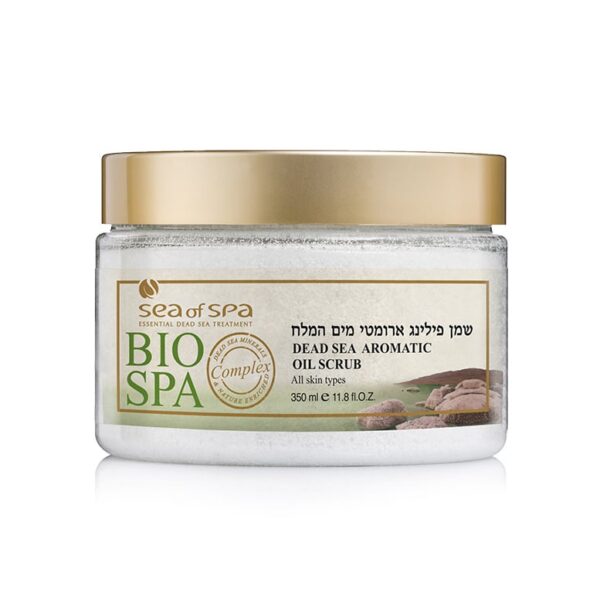 Bio Spa Aromatic Peeling Oil with Dead Sea Salt $10Select options This product has multiple variants. The options may be chosen on the product page
 -
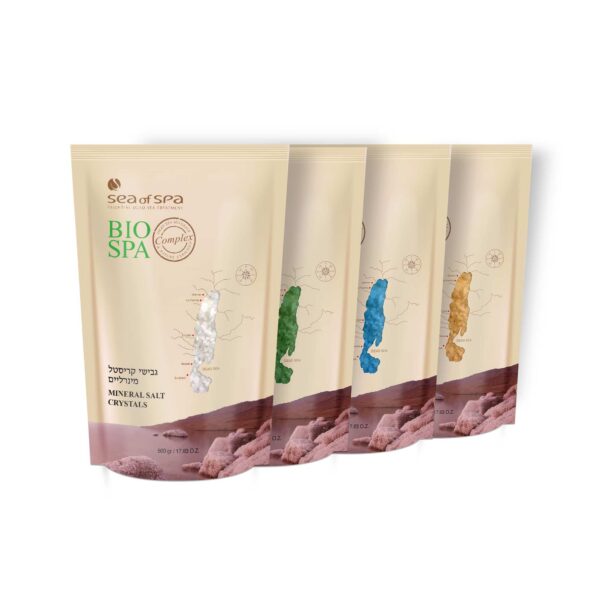 Bio Spa BioSpa Crystal Bath Salt $4Select options This product has multiple variants. The options may be chosen on the product page
 -
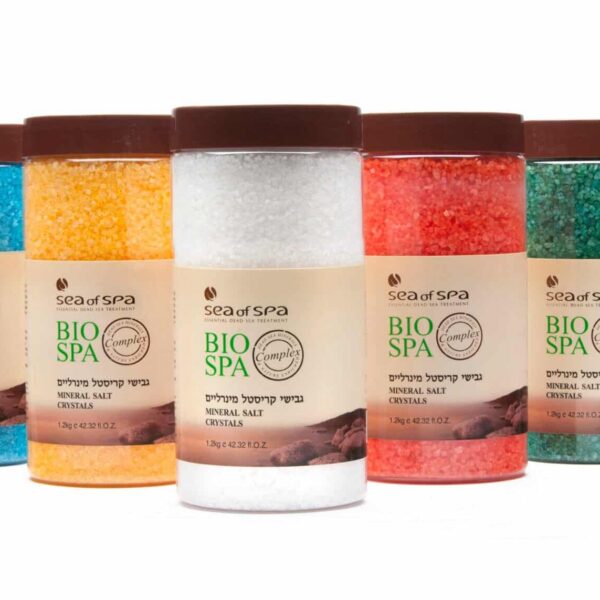 Bio Spa Bio Spa-Mineral Salt Crystals - 1000 gr $10Select options This product has multiple variants. The options may be chosen on the product page
 -
-
-
-
-
-


Frequently asked questions
Where does Dead Sea salt come from?
It is harvested from the Dead Sea, a landlocked salt lake between Israel and Jordan, whose extreme salinity and mineral concentration make its salt unlike any other.
What is Dead Sea salt used for?
For mineral baths and soaks, body scrubs and skincare, where its magnesium- and calcium-rich profile is valued for supporting the skin barrier and softening rough skin.