
Dead Sea Minerals: What They Do for Your Skin
Ask anyone who’s stood knee-deep in the Dead Sea why the water feels different, and they’ll all say some version of the same thing: it’s thick, almost oily, and your skin feels tighter the moment you towel off. That’s the mineral load talking. Dead sea minerals for skin comes down to four main players — magnesium, calcium, potassium and bromide — sitting in the water and mud at a concentration far above ordinary seawater. Ashury builds a good chunk of its range around this mineral profile, from face masks to foot cream to a mineral-enriched toothpaste, and knowing what each mineral actually contributes helps you pick the right product instead of grabbing whatever says “Dead Sea” on the label.
What Dead Sea Minerals for Skin Actually Do
Magnesium is the one dermatologists talk about most. It supports the skin’s natural barrier — the outer layer that keeps water in and irritants out — and a compromised barrier is behind a lot of everyday dryness and flaking. Calcium plays a supporting role in cell turnover, helping skin renew at a steady pace rather than looking dull and buildup-prone. Potassium helps balance moisture levels, and bromide is often credited with the soothing, almost muscle-relaxing feeling people report after a Dead Sea soak. None of this is medicine. It’s cosmetic care, and a good one — but a diagnosed skin condition is a conversation for a dermatologist, not a product label.
Face Care Built Around the Minerals
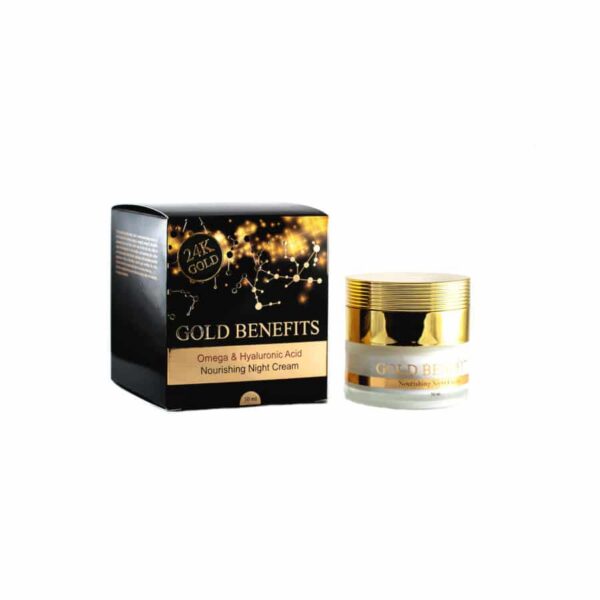
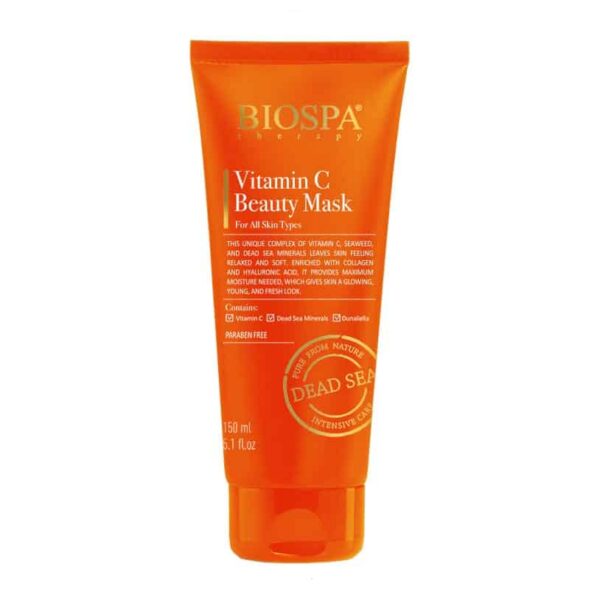
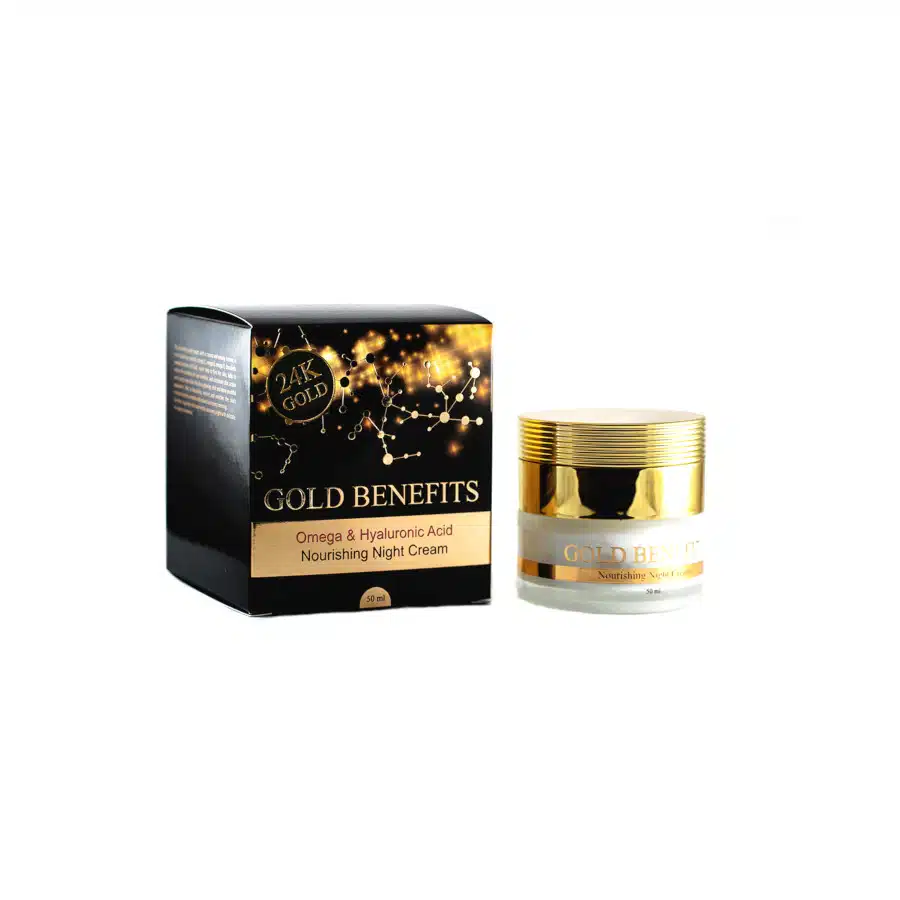
On the face, minerals usually show up folded into a cream or a mask rather than applied on their own. The Biospa Enriched Beauty Mask with Vitamin C is a straightforward example — a 150 ml mask that pairs Dead Sea minerals with Vitamin C, aimed at helping skin feel softer and calmer after a short sit. For nighttime, the Gold Benefits Nourishing Night Cream folds Dead Sea minerals in with Omegas and a touch of gold into a 50 ml cream meant to be massaged in before bed. I’d reach for the mask once or twice a week and let the night cream do the nightly work — they’re not competing for the same job.
Body and Foot Care: Where the Minerals Really Shine
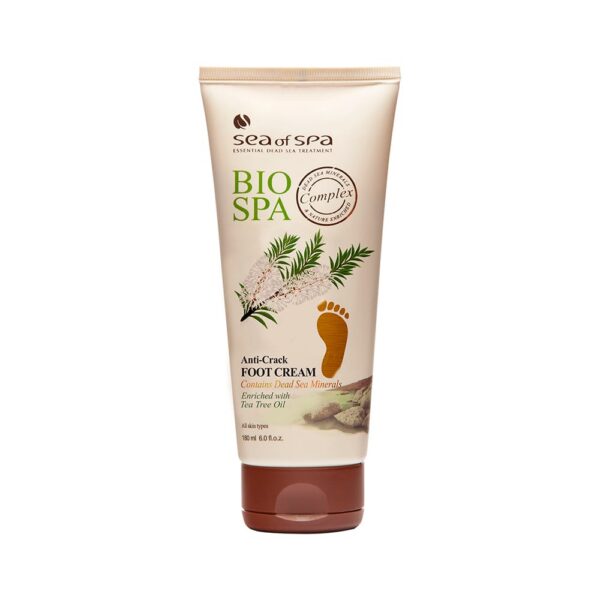
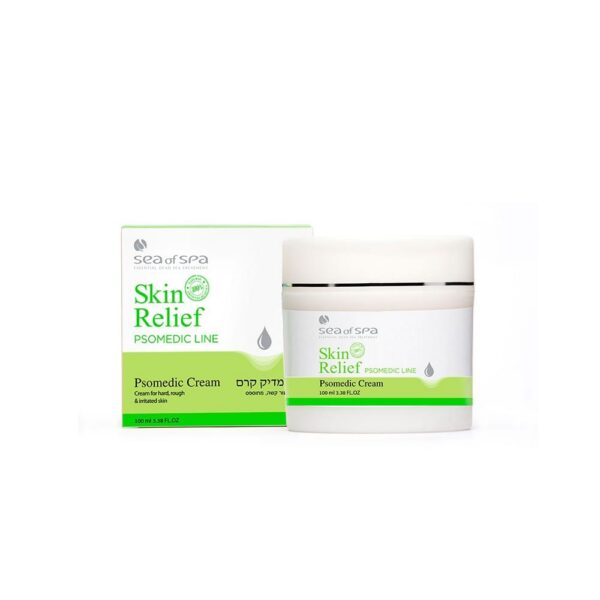
Honestly, body care is where Dead Sea minerals earn their keep the most. Feet and elbows take more of a daily beating than a face does, and mineral-forward formulas tend to be richer and more occlusive, which suits rough skin. The Bio Spa Anti-Crack Foot Cream combines Dead Sea minerals with tea tree oil specifically for dry or cracked feet, and it’s worth keeping by the bed for a nightly rub-in under socks. The Bio Spa Nourishing Body Wash, at 780 ml, brings minerals and plant extracts into an everyday shower routine instead of asking you to add a separate step. And if your skin is genuinely rough or irritated — not just dry, but angry — the Psomedic Skin Relief Cream combines propolis, honey and Dead Sea minerals in a formula built for that kind of skin.
Exfoliating and Deep Treatments: Salt and Mud
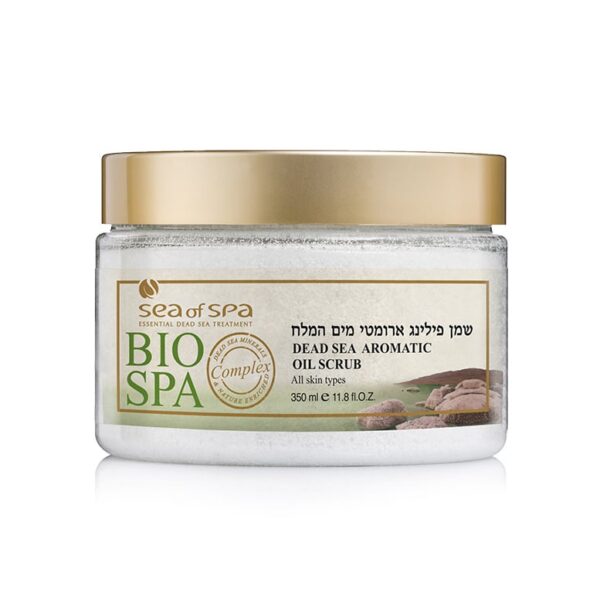
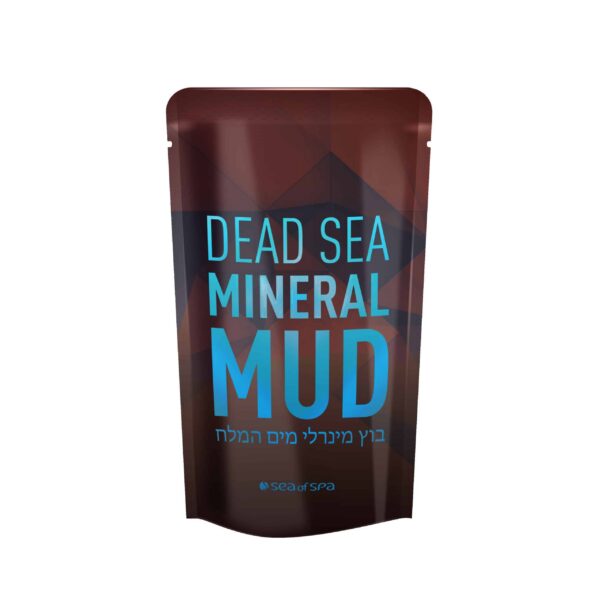
Salt and mud are the two classic Dead Sea formats, and they do different jobs. The Aromatic Peeling Oil with Dead Sea Salt uses actual Dead Sea salt suspended in pure oils, so it exfoliates while it moisturizes — a scrub that doesn’t leave skin stripped and squeaky the way soap-based scrubs can. Dead Sea mud works differently: it doesn’t exfoliate so much as draw and cleanse. The Sea of Spa Dead Sea Mineral Mud, in a 600 ml tub, is designed to be applied and rinsed, and it can also be warmed slightly and used on tired joints and muscles — a genuinely old-school spa move that still holds up.
Beyond Skin: Hair and Daily Hygiene
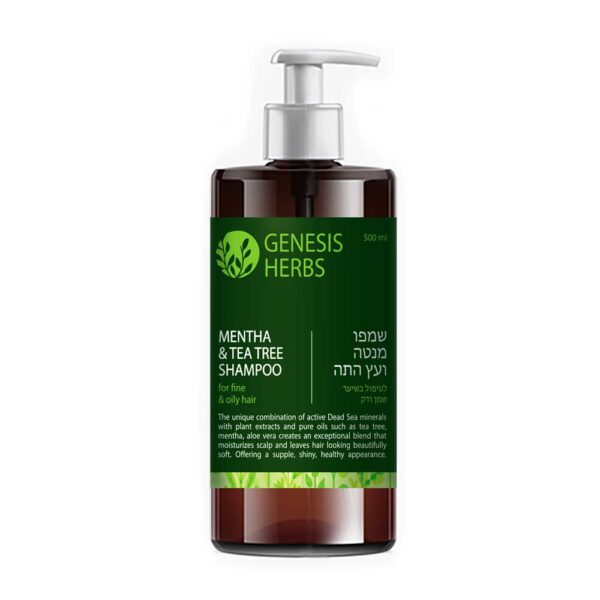
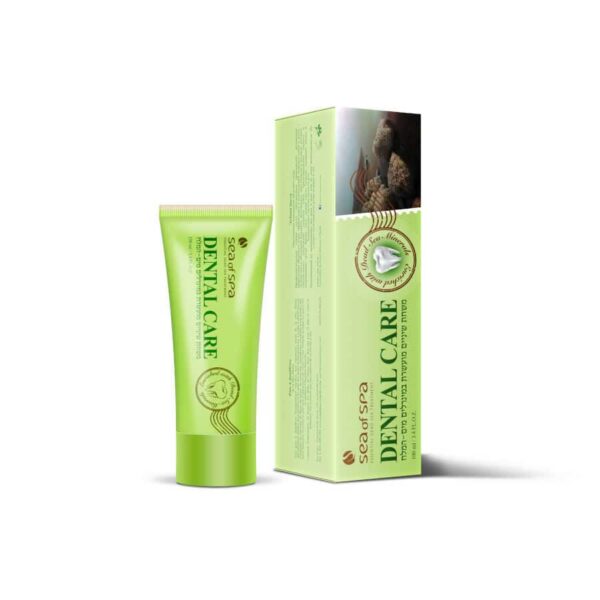
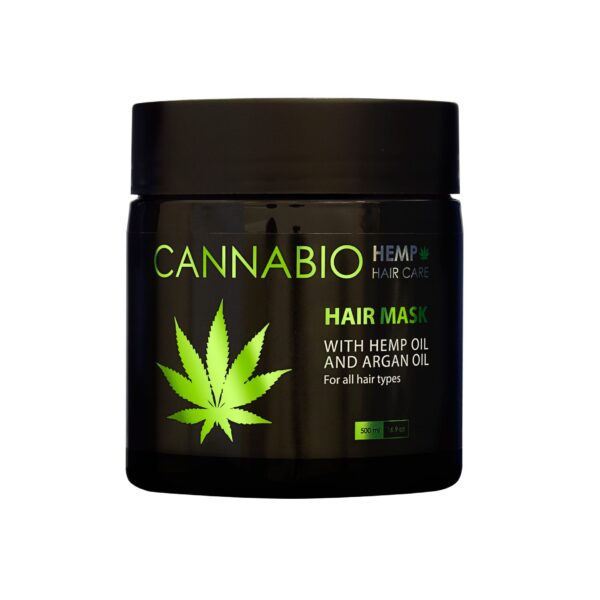
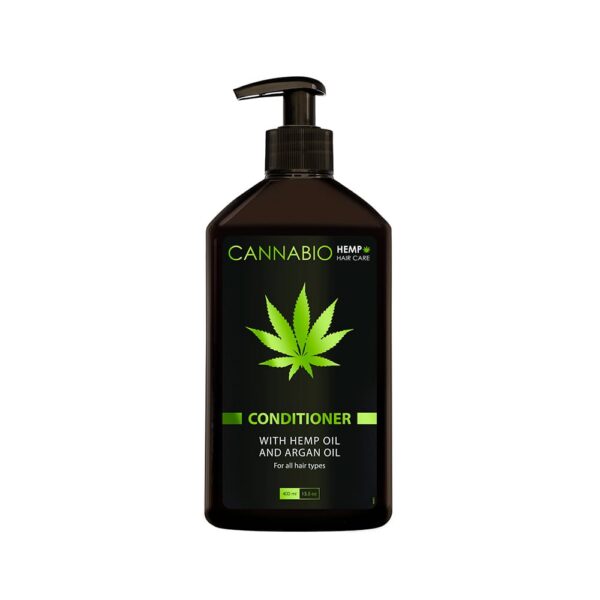
The mineral profile shows up outside strict skincare too. The Bio Spa Enriched Shampoo with Dead Sea Minerals and the Mint and Tea Tree Shampoo both fold minerals into a scalp-focused wash, aiming to leave hair feeling soft and full. If hair is more of your concern than skin, the CANNABIO Hemp & Argan Oil Hair Mask and the matching CANNABIO Conditioner pair hemp and argan oils with Dead Sea minerals to help strengthen and soften hair fibers. There’s even a Sea of Spa Dead Sea Minerals Toothpaste, a 100 ml tube built around the same regional mineral story applied to oral care — worth knowing about if you like the idea of a Dead Sea routine head to toe, though it’s obviously not meant for children under six.
How to Use Dead Sea Mineral Products Without Overdoing It
A few basics keep this simple:
- Use mud and salt treatments two to three times a week, not daily — they’re intensive by design.
- Follow a mud mask or salt scrub with a regular moisturizer; minerals help skin hold water, but they aren’t a moisturizer replacement on their own.
- Warm mud slightly before applying to sore muscles or joints, but never use it hot enough to be uncomfortable.
- Patch-test anything new on your inner arm if your skin reacts easily, especially salt-based scrubs.
- Layer body and foot creams at night, when there’s time for a rich formula to sink in without makeup or clothing rubbing it off.
Choosing the Right Product for Your Routine
If your main complaint is dry, flaky skin anywhere on the body, start with a cream rather than a mud or salt product — the Bio Spa Anti-Crack Foot Cream or the Bio Spa Nourishing Body Wash are lower-commitment entry points. If you want the classic mineral spa experience, the mud is the one to try, ideally on an evening you’re not rushing anywhere afterward. And if your skin looks dull rather than dry, the Biospa Enriched Beauty Mask with Vitamin C is the better match, since it’s aimed at brightening as much as hydrating.
None of these products will erase a skin condition or work miracles overnight — that’s not what Dead Sea minerals for skin are for. What they’re good at is quietly supporting the barrier, holding onto moisture, and taking the edge off rough or reactive skin, which is exactly why this mineral profile has anchored spa and body care for so long. Start with one product that matches your actual complaint, whether that’s cracked heels or a dull complexion, and build the rest of the routine from there instead of stacking five mineral products at once.
Shop this guide
-
-
 Bio Spa Aromatic Peeling Oil with Dead Sea Salt $10Select options This product has multiple variants. The options may be chosen on the product page
 -
-
-
-
-
-
-
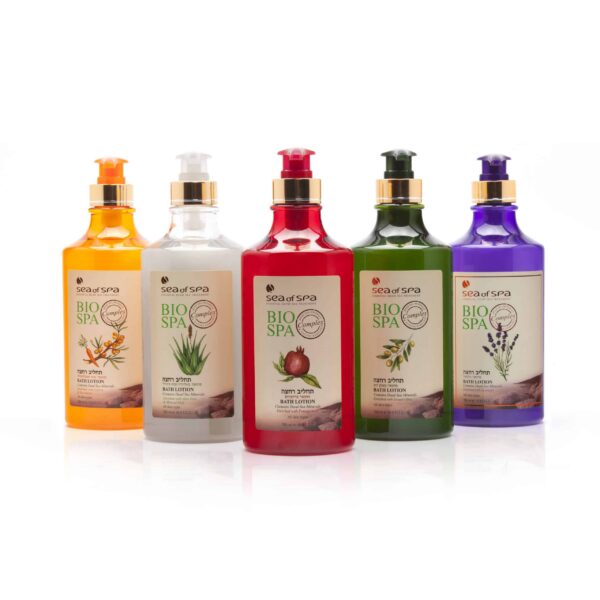 Bio Spa Bio Spa Nourishing Body Wash $11Select options This product has multiple variants. The options may be chosen on the product page
 -
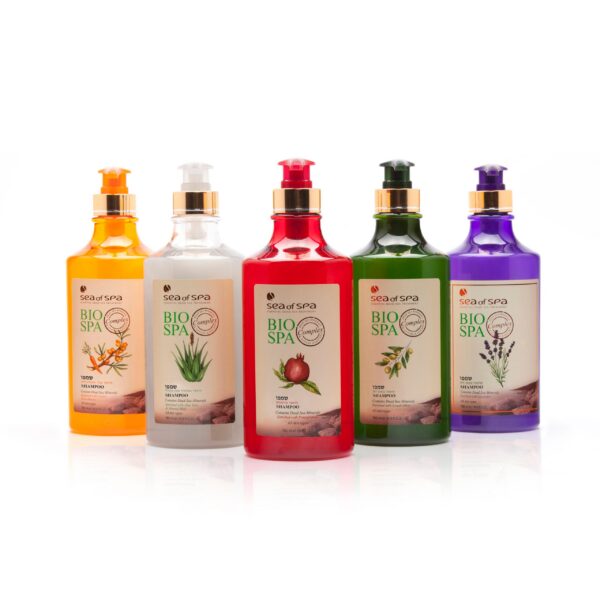 Bio Spa Bio Spa Enriched Shampoo with Dead Sea Minerals $6Select options This product has multiple variants. The options may be chosen on the product page
 -
-


Frequently asked questions
What minerals does the Dead Sea contain?
It is unusually rich in magnesium, calcium, potassium and bromide — a very different, more concentrated profile than ordinary sea or table salt.
What do Dead Sea minerals do for the skin?
They help the skin hold moisture, support the barrier and soothe rough or flaky skin, which is why they anchor so much spa and body care. This is cosmetic care, not medical treatment.